
Guides
Check Out The Awesome Redesigned NFL Helmets of All 32 Teams
Sure, we all love the game of football. But most of us would be lying if we didn’t admit that a major part of why we love football is because of the awesome jerseys and helmet designs. They just look so cool and practically make the players look like superheroes. And we can even go out and buy our own jerseys and hats that look exactly like the ones the players wear! So cool!! But some teams’ jersey designs have been around for way too long and a lot of us have been itching for a change. Well, lucky for us, a handful of artistic geniuses out there just released some amazing new helmet designs for all 32 NFL team!
These take the boring old NFL helmet designs and brings them into the 21st century. Now, mind you, these are just concepts. So don’t get your hopes up. We may never see these awesome designs actually hit the field. No matter how much we’d love it if they did. But we think with some hype, they just might become a reality. So scroll through and pick out your favorites to share with your friends! Let’s explore these awesome newly redesigned NFL team helmets and see if we can make these designs go viral!



Every successful construction project starts long before the first piece of equipment arrives on-site. Careful pre-construction planning helps businesses avoid delays, control costs, improve communication, and ensure the project stays aligned with long-term goals.
That’s why many businesses rely on BHI General Contracting for professional pre-construction planning services. By addressing potential challenges early and creating a clear roadmap, projects can move forward more efficiently and with greater confidence.
Let’s explore why pre-construction planning is such an important part of commercial construction success.
What Is Pre-Construction Planning?
Pre-construction planning is the process of organizing and preparing every aspect of a project before construction begins.
This phase often includes:
- Budget development
- Site evaluations
- Scheduling and logistics planning
- Design coordination
With BHI General Contracting, businesses gain a structured approach that helps reduce uncertainty and improve project outcomes.
Establishing Clear Project Goals
Every project should begin with clearly defined objectives.
Pre-construction planning helps identify:
- Operational needs and priorities
- Space requirements and functionality
- Long-term business goals
Clear planning ensures the finished project aligns with the client’s expectations.
Accurate Budgeting and Cost Control
One of the biggest benefits of pre-construction planning is financial clarity.
This process helps businesses:
- Develop realistic project budgets
- Identify potential cost-saving opportunities
- Reduce unexpected expenses during construction
Early budgeting support creates better financial control throughout the project.
Evaluating Site Conditions
Site analysis is a critical part of pre-construction planning.
This may involve:
- Reviewing land conditions and accessibility
- Identifying drainage or utility concerns
- Assessing environmental or zoning factors
A thorough site evaluation helps prevent delays and construction complications later.
Improving Project Scheduling
Construction timelines can quickly become complicated without proper planning.
Pre-construction scheduling helps:
- Coordinate contractors and suppliers
- Establish realistic timelines
- Identify potential scheduling conflicts early
With BHI General Contracting, projects are organized for greater efficiency from the start.
Coordinating Design and Construction Teams
Strong collaboration between architects, engineers, and contractors is essential.
Pre-construction planning improves:
- Communication between project teams
- Design accuracy and feasibility
- Faster problem-solving before construction begins
This teamwork helps minimize costly revisions during the build process.
Identifying Potential Risks Early
Every construction project comes with risks and challenges.
Pre-construction planning helps identify:
- Budget risks
- Site limitations
- Permit or compliance concerns
Addressing these issues early helps prevent larger problems later in the project.
Ensuring Code and Permit Compliance
Commercial construction projects must meet local regulations and safety standards.
Planning includes:
- Reviewing zoning requirements
- Preparing permit documentation
- Ensuring code compliance before construction begins
This helps projects move through approvals more smoothly.
Supporting Better Material and Resource Planning
Construction efficiency depends heavily on organization and resource management.
Pre-construction planning helps:
- Estimate material needs accurately
- Coordinate labor and equipment
- Reduce waste and inefficiencies
Proper preparation keeps projects running more smoothly.
Creating a Strong Foundation for Success
Ultimately, pre-construction planning sets the tone for the entire project.
A well-planned project often leads to:
- Fewer delays and change orders
- Better communication and organization
- Improved project quality and performance
Businesses working with BHI General Contracting benefit from a more strategic and controlled construction process.
FAQs
What is pre-construction planning?
It’s the preparation phase before construction begins, involving budgeting, scheduling, site analysis, and coordination.
Why is pre-construction planning important?
It helps reduce risks, control costs, improve scheduling, and increase project efficiency.
What does BHI General Contracting help with during pre-construction?
They assist with budgeting, scheduling, site evaluations, design coordination, and project planning.
Can pre-construction planning reduce delays?
Yes. Early planning helps identify issues before they affect the construction timeline.
Does pre-construction planning help with permits and compliance?
Absolutely. Proper planning ensures projects meet local regulations and approval requirements.
Final Thoughts
Successful commercial construction projects are built on strong preparation and strategic planning. Pre-construction planning helps businesses avoid costly surprises, improve communication, and create a more efficient building process from start to finish.
By partnering with BHI General Contracting, businesses can approach construction projects with greater confidence, organization, and long-term vision.
From budgeting and scheduling to site analysis and compliance, pre-construction planning creates the foundation for smoother, more successful project outcomes.

A water heater is one of the hardest-working appliances in any home, yet many homeowners forget about maintenance until problems begin to appear. One of the most important maintenance tasks is flushing the water heater to remove sediment buildup and keep the system operating efficiently.
Homeowners considering water heater installation Miami services should also understand how proper maintenance can extend the lifespan of their system and improve performance. Regular flushing helps prevent damage, improves efficiency, and reduces the risk of costly repairs.
Let’s explore how often water heaters should be flushed and why it matters.
Why Flushing a Water Heater Is Important
Over time, minerals and sediment naturally collect inside the tank.
This buildup can cause:
- Reduced heating efficiency
- Strange noises from the tank
- Lower hot water quality
- Increased wear on internal components
Routine flushing helps keep the system clean and functioning properly.
How Often Should You Flush It?
Most professionals recommend flushing a water heater at least once per year.
However, some homes may require more frequent flushing if they have:
- Hard water with high mineral content
- Heavy household hot water usage
- Older water heater systems
Homeowners working with water heater installation Miami professionals can determine the ideal maintenance schedule for their specific system.
Signs Your Water Heater Needs Flushing
Even if you’re unsure when it was last serviced, there are warning signs that indicate sediment buildup.
Common signs include:
- Rumbling or popping noises
- Inconsistent hot water
- Reduced hot water pressure
- Cloudy or rusty water
These issues often suggest it’s time for maintenance.
Hard Water Can Increase Sediment Buildup
Miami homes may experience mineral-rich water that accelerates buildup inside water heaters.
Hard water can lead to:
- Faster sediment accumulation
- Reduced heating performance
- Increased corrosion risk
In homes with hard water, flushing may be recommended more than once per year.
Improves Energy Efficiency
Sediment buildup forces water heaters to work harder to heat water.
Flushing the tank helps:
- Improve heating efficiency
- Reduce energy consumption
- Lower monthly utility bills
A clean system performs more efficiently and consistently.
Extends the Lifespan of the Water Heater
Regular maintenance can help water heaters last longer.
Flushing helps prevent:
- Excessive wear on heating elements
- Internal corrosion and damage
- Premature system failure
Many homeowners combine routine maintenance with inspections from water heater installation Miami experts to maximize system lifespan.
Helps Maintain Water Quality
Sediment and corrosion inside the tank can affect water quality over time.
Flushing may help reduce:
- Rust-colored water
- Metallic odors or tastes
- Debris in hot water supply lines
Cleaner water improves comfort and overall system performance.
Tankless Water Heaters Also Need Maintenance
Tankless systems don’t store water, but they still require flushing and descaling.
Maintenance helps remove:
- Mineral buildup inside heat exchangers
- Scale that affects efficiency
- Blockages that reduce water flow
Professional servicing helps keep tankless systems operating properly.
Professional Maintenance vs. DIY Flushing
Some homeowners choose to flush their water heaters themselves, while others prefer professional service.
Professional maintenance offers benefits such as:
- Full system inspections
- Leak and corrosion detection
- Safe and proper flushing procedures
Working with experienced technicians helps ensure the job is done correctly.
When Replacement May Be Necessary
If a water heater continues having problems even after flushing, replacement may be the better option.
Signs replacement may be needed include:
- Frequent repairs
- Major corrosion or leaks
- Aging systems over 10 years old
In these cases, water heater installation Miami professionals can recommend modern and more efficient replacement systems.
FAQs
How often should I flush my water heater?
Most water heaters should be flushed at least once a year.
Why does sediment build up in water heaters?
Minerals from water naturally settle inside the tank over time.
Can flushing improve water heater efficiency?
Yes. Removing sediment helps the system heat water more effectively.
Do tankless water heaters need flushing?
Yes. Tankless systems require descaling and maintenance to prevent mineral buildup.
Should I hire a professional for water heater maintenance?
Professional service helps ensure proper flushing, inspections, and safe operation.
Final Thoughts
Regular water heater maintenance is essential for keeping your system efficient, reliable, and long-lasting. Flushing the tank helps remove damaging sediment buildup, improve water quality, and reduce energy costs.
By staying proactive and working with trusted water heater installation Miami professionals, homeowners can extend the lifespan of their water heater and avoid unnecessary repairs or breakdowns.
A little maintenance today can help ensure dependable hot water and better system performance for years to come.
Guides
Revolutionizing Skin Health: Domestic Supply’s Latest Innovations in Injectable Steroids for Skin

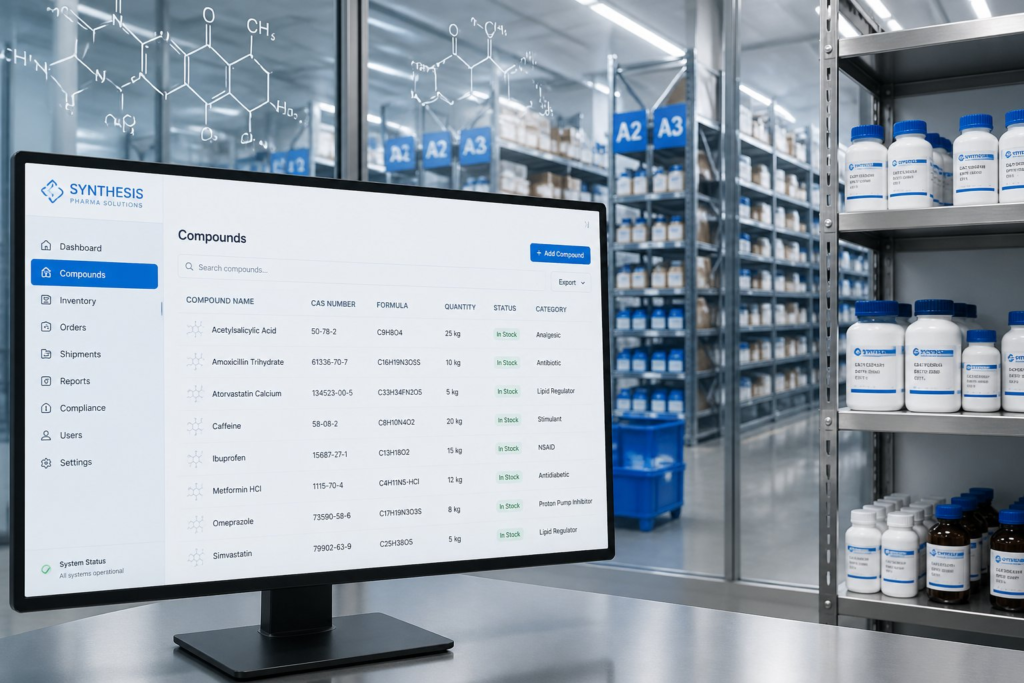
In regulated fitness and athletic environments, the sourcing and use of compounds such as skin steroid formulations, hormone support products, and performance-related injectables remain subject to evolving oversight, quality assurance standards, and supplier transparency expectations. Industry participants increasingly emphasize structured procurement models that align with compliance considerations and informed usage contexts. Within this landscape, Domestic Supply operates as a U.S.-based online supplier offering a range of anabolic steroids, post-cycle therapy (PCT) products, peptides, SARMs, and related formulations, including injectable steroids. Its distribution approach reflects a system where product access is framed within documented sourcing practices and regulatory awareness, particularly as interest grows in formulations associated with skin-related applications.
Performance-enhancing compounds refer broadly to substances used within athletic, fitness, and hormone-related environments to support structured training or physiological management protocols. These may include anabolic steroids, peptides, selective androgen receptor modulators (SARMs), and post-cycle therapy (PCT) products, each categorized based on their intended application within a broader regimen. Their use is typically associated with regulated contexts, including medically supervised frameworks or research-driven environments where oversight and compliance are emphasized. Access to such compounds is generally product-based, meaning suppliers provide categorized formulations without directing outcomes, dosing, or usage strategies. This approach reflects a distribution model centered on availability and classification rather than individual performance or health results.
Regulatory Awareness
Distribution of controlled or regulated compounds requires adherence to jurisdiction-specific rules, including prescription requirements and classification standards that vary by region.
Product Categorization
Compounds are typically organized into defined groups such as anabolic steroids, PCT products, peptides, SARMs, and topical or gel-based formulations, allowing for structured navigation and identification.
Supply Integrity
Operational processes focus on sourcing, handling, and order fulfillment practices designed to maintain consistency in product availability and delivery workflows, as reflected in platforms like Domestic Supply.
A structured supply platform generally includes an online catalog, where products such as injectable steroids are organized by category, enabling users to review available formulations and classifications. This catalog functions as the primary interface for browsing product types offered by suppliers like Domestic Supply.
The order processing and tracking system manages transaction workflows, from order placement through confirmation and shipment updates, ensuring visibility across each stage of fulfillment.
Additionally, distribution and warehouse infrastructure supports inventory management and logistics coordination. These operational components enable suppliers to handle storage, packaging, and dispatch processes, forming the backbone of a product-based access model without implying usage outcomes or application guidance.
Domestic Supply is a U.S.-based online supplier specializing in the distribution of anabolic steroids, peptides, SARMs, post-cycle therapy (PCT) products, and related formulations. The platform operates within a structured e-commerce framework, offering categorized access to compounds commonly referenced in fitness and performance-oriented environments. Its operational focus centers on maintaining an organized catalog, processing orders, and facilitating distribution through established logistics channels.
Within this framework, product groupings include both injectable and oral formulations, as well as ancillary compounds associated with hormone-related protocols. The term skin steroid appears in discussions of certain formulations, reflecting niche areas of interest within broader compound categories. Domestic Supply positions its services around accessibility and classification, aligning its operations with a supply-oriented model that emphasizes product availability rather than clinical or outcome-based claims.
Product supply platforms such as Domestic Supply organize offerings into clearly defined categories to support structured access. These typically include injectable and oral anabolic steroids, which are listed based on formulation type and method of administration. Separate classifications exist for post-cycle therapy (PCT) products, which are grouped according to their role within broader compound management protocols.
Additional categories include peptides, SARMs, and transdermal gels, each presented within distinct sections of the platform to reflect differences in composition and application context. Products are accessed through an online catalog where users can navigate by category, review available formulations, and select items accordingly. This system-based organization emphasizes product identification and availability without implying specific usage outcomes or individualized guidance.
One commonly listed category within compound supply platforms is injectable anabolic steroids. These products are typically presented as oil-based or suspension formulations intended for intramuscular administration, with each item identified by compound name, concentration, and packaging format. Listings generally include standardized labeling information and may reference manufacturer or brand distinctions where applicable.
Within the platform structure, injectable compounds are grouped separately from oral or topical products, allowing for clear differentiation in how they are categorized and accessed. Availability is presented in terms of stock status and ordering options rather than application guidance. This format reflects a datasheet-style overview, where the emphasis remains on classification, formulation type, and logistical availability within the supplier’s catalog system.
Product Selection and Categorization
Users access products through an online catalog that organizes compounds into categories such as steroids, peptides, SARMs, and PCT products. Each listing provides identifying details to support selection based on classification.
Ordering and Prescription Considerations
Depending on jurisdiction, certain compounds may be subject to prescription requirements or legal restrictions. The platform structure reflects awareness of these considerations without facilitating medical guidance.
Fulfillment and Delivery Processes
Once an order is placed, the system manages confirmation, processing, and shipment through established logistics workflows. Inventory handling, packaging, and dispatch are coordinated within the supplier’s distribution framework, ensuring a consistent operational process from selection to delivery.
Products distributed through platforms like Domestic Supply are generally associated with a range of structured environments. These include athletic and bodybuilding contexts, where compounds are referenced within organized training and physique-focused regimens. In fitness-oriented programs, such products may be part of broader routines that involve nutrition planning and physical conditioning strategies.
In some cases, compounds are also discussed within hormone-related protocols, typically under supervised or regulated conditions where oversight frameworks are in place. Additionally, certain products may appear in research or controlled settings, where they are referenced for investigational or analytical purposes rather than direct consumer application.
Across these environments, the role of the supplier remains limited to providing categorized access to products. The context of use is defined externally by regulatory, professional, or research frameworks rather than by the supplier’s platform or distribution model.
The distribution and handling of compounds such as skin steroid formulations are subject to legal and regulatory frameworks that vary by jurisdiction, including prescription requirements and controlled substance classifications. Suppliers operate within these boundaries by structuring access in accordance with applicable rules and limitations.
Storage and handling expectations typically involve maintaining appropriate conditions during warehousing and transit, aligned with general product integrity practices. Additionally, jurisdictional differences may affect availability, shipping eligibility, and import considerations. Within this context, Domestic Supply positions its operations around responsible sourcing and structured distribution, without making claims regarding safety outcomes, compliance guarantees, or product performance.
Domestic Supply’s platform is structured around a web-based interface that enables users to navigate product categories, review listings, and complete orders through a centralized system. The website layout supports straightforward ordering logistics, with categorized menus and product pages designed for functional access.
From a workflow perspective, the platform aligns with users who rely on consistent product classification and repeat ordering processes. Features such as order confirmation and shipment tracking provide visibility into transaction status after purchase. While the system facilitates these operational steps, its role remains focused on product access and logistics coordination rather than advisory or outcome-based support.
What standards apply to the integrity of injectable anabolic steroids in online supply platforms?
Product integrity is typically presented through labeling, batch identification, and manufacturer sourcing details. Platforms organize listings to reflect formulation type and concentration, while relying on supplier-provided specifications rather than independent verification or performance-related assurances.
Why do oil-based injectable compounds require specific storage conditions?
Oil-based formulations are generally stored in stable, room-temperature environments, away from excessive heat, moisture, or direct light. These conditions help maintain consistency in the liquid medium and packaging integrity during both storage and transit phases.
How are injectable anabolic steroids classified within regulatory frameworks?
Classification varies by jurisdiction, where such compounds may be designated as controlled substances requiring prescriptions or restricted handling. Online suppliers structure access in accordance with these frameworks, without facilitating medical authorization or bypassing regional compliance requirements.
What distinguishes injectable testosterone formulations from other compound types?
Injectable testosterone formulations are typically oil-based and administered intramuscularly, differing from oral or transdermal alternatives in delivery method and absorption pathway. Listings emphasize formulation type and concentration rather than comparative or outcome-based distinctions between compounds.
How are shipments handled to maintain discretion during delivery?
Orders are processed through standard logistics workflows, with packaging designed to align with general shipping practices. Discretion is maintained through neutral labeling and secure parcel handling, without disclosing specific product details externally during transit.
How does the ordering interface support product selection and tracking?
The platform provides categorized navigation menus, allowing users to locate products such as Testosterone Enanthate within structured listings. Once ordered, confirmation and tracking updates are typically issued, enabling visibility into shipment progress through the system.
What technical considerations apply when selecting injectable products online?
Users typically review product categories, formulation types, and concentration details before ordering. The system presents standardized information fields, enabling selection based on classification and availability rather than individualized recommendations or application-specific guidance.
As regulatory frameworks and sourcing expectations continue to evolve, platforms operating within the compound supply space are increasingly defined by their adherence to structured distribution models and transparent categorization systems. Domestic Supply reflects this approach through its focus on maintaining an organized product catalog, standardized ordering processes, and clearly defined operational workflows. Within this context, access to compounds remains aligned with jurisdictional considerations and product-based availability, rather than individualized application. Ongoing developments in compound classification, including areas associated with skin steroid formulations, highlight the importance of consistent supply practices and regulatory awareness across the broader industry landscape.
Disclaimer: This article is for informational purposes only and does not constitute medical advice, endorsement, or encouragement of any specific product or practice. Access to and use of any regulated compounds should comply with applicable laws and be conducted under appropriate medical supervision where required.

The ROI of Workflow Automation in Small and Mid-Sized Businesses

The Golden Hour of Hospital Restoration: Why Immediate Extraction Matters

Why Cincinnati SEO Remains One of the Best Marketing Channels

Your Guide to Preventive Maintenance for Commercial Irrigation Systems

What to Look for in a Managed IT Provider

Leadership Lessons from Alex Wilcox’s Role as CEO of JSX

Dan Herbatschek: From Data Management Consultant to Founder of Ramsey Theory Group

Building Strong Foundations: Social Skills Learned in Preschool

Daniel Cullen: Putting People at the Center of Manufacturing Growth

The Spring Cleaning Finale: Using Storage to Create a Summer-Ready Home
-
 Destinations2 years ago
Touring Nashville!
-
 Destinations2 years ago
All-Inclusive Resorts Outside The Caribbean!
-
 Destinations2 years ago
Safe Travel Spots For Travel Currently
-
 Destinations2 years ago
Stay With The Animals At These Awesome Hotels
-
 Destinations2 years ago
The Best Cruises For Every Family Type
-

 Destinations2 years ago
The Cheapest Travel Destinations in the World in 2020
-
 Destinations2 years ago
Cheapest Caribbean Destination: Punta Cana VS Cancun
-
 Featured2 years ago
How To Make A Healthy Gas Station Meal