
Uncategorized
Buying Regional Cheese and Honey on a Farm Visit and Packing It Home


Farm visits offer a rare chance to taste food where it is made, and many travelers leave with a bag full of cheese, honey and jars they did not plan to buy. Those souvenirs are easy to enjoy at home when they are chosen with care and packed for a long journey. This guide covers how to pick products that travel well, how to talk with producers, how to pack for different climates and how to store everything once you reach your door. The advice is general, so check the rules of your own country and airline before you travel with any food.
Each farm has its own rhythm, and the best purchases usually follow the season and the day’s stock. A short note in your phone about the producer’s name and the items you liked will help when you want to order again later. Keep the note with your receipts.
Choosing Products That Travel Well
Readers may also want to visit The Encarta. Hard cheeses with a dense rind usually handle heat and shaking better than soft cheeses that need constant chilling. Ask the producer how long the cheese was aged, because a longer age often means a firmer texture and a longer shelf life. Raw honey can crystallize in cool weather, which is harmless, but it is worth asking whether the jar was filled in a sealed container. Jars with thick glass and screw lids tend to survive bumps better than thin bottles with cork stoppers. Buy a little less than you think you need, since a tasting on the trip home is often the highlight of the journey.
Talking With Producers Without Rushing
Farm shops are often run by the people who made the food, so a few thoughtful questions can open a useful conversation. Ask how the cheese should be stored after the first cut, and whether the honey is best kept in a cupboard or a cool room. You can also visit commentsdb.com for more reading. Take a photo of any label that lists ingredients, since allergy details and dates can be hard to read later. A polite thank you and a note about which product you liked most can make the visit feel complete.
Packing for Heat, Pressure and Long Hours
Wrap each cheese in paper first, then in a second layer such as a cloth bag, so that the rind does not stick to plastic. Place jars in the middle of your luggage, surrounded by soft clothing, and keep them upright. A small cooler bag with frozen gel packs can protect soft cheeses on a short drive, though it should not be relied on for a long flight. When traveling by train, carry food in your hand luggage so it stays cool and does not get crushed in a hold. For a related read on this site, see A Travel Checklist for a Seller Who Ships.
Storing Your Haul at Home
On arrival, unpack the food within an hour so that cheese does not sit warm in a car. Store cheese in the lower part of the fridge, wrapped in fresh paper, and check it each day for unwanted mold on the surface. Honey keeps well at room temperature, and a warm water bath can soften it if it has crystallized. Note the purchase date on each label with a pencil, so you can keep track of freshness over the coming weeks. Finish the most perishable items first and save the sturdier pieces for slow weekends.
Wrap any leftover cheese tightly after each use, and write the date on the wrap. Use a clean knife for each cut so flavors do not mix between varieties. Keep the honey jars off a sunny shelf, where a warm cupboard can soften the seal over time.
A simple tasting plate with crackers and fresh fruit can turn the leftovers into a small gathering. Invite a neighbor who also enjoys food from small farms, and ask them to bring a jar from their own travels. Trading stories about the producers often reveals new places worth visiting.
Keeping the Memory Alive
A farm visit is more than a shopping trip, and the flavors can help you revisit it long after the journey ends. Use a small tasting at home to compare two cheeses or two honeys side by side, and write down which pairings you enjoyed. Some travelers keep a short diary of the farms they visited, including the weather, the route and the best meal. Sharing a jar with a friend can spread the memory, and it often leads to a conversation about the next trip. Keep the empty labels in a folder so the details are easy to find when you plan another visit.

Traveling to new places is exciting, but it often brings the challenge of navigating unfamiliar surroundings while remaining informed about what is happening around you. Many travelers focus solely on their planned itineraries, neglecting the reality that local conditions, transit schedules, and public events can change quickly. Developing a strategy to stay informed allows you to adjust your plans smoothly and avoid unnecessary frustration when minor disruptions arise. By adopting a proactive approach to monitoring your environment, you gain more control over your experience and can make better decisions as you navigate different cities or regions.
Understanding the Value of Local Awareness
The core of a successful journey lies in your ability to adapt to your surroundings. When you possess an awareness of the local environment, you are better equipped to handle common travel challenges, such as unexpected transit delays, sudden closures of public spaces, or localized weather patterns. This does not mean you need to be glued to a screen; rather, it suggests that having a basic grasp of what is happening locally provides context for your daily activities.
Being aware allows you to anticipate potential issues before they impact your day. For instance, knowing about a major local holiday or a scheduled parade might explain why certain streets are closed or why public transportation is operating on a modified schedule. When you understand the context of your environment, you can adjust your expectations and your schedule, preventing the feeling of being blindsided by circumstances that local residents are already expecting.
Locating Trustworthy Information Sources
Finding accurate and timely information requires identifying sources that focus on relevance and reliability. While social media can sometimes offer quick updates, it is often filled with unsubstantiated rumors or outdated reports that can lead to confusion. Relying on dedicated news platforms or community-focused publications is usually a better strategy for gathering facts about your current area.
When seeking general summaries of global developments, checking dailyheralds.org can provide a broad perspective before you dive deeper into specifics. Similarly, keeping track of cultural happenings, arts, or lifestyle updates in your specific destination is often easier when you consult resources like pdxmagazine.com for current event coverage. Having a few trusted bookmarks allows you to quickly verify information without spending hours scrolling through feeds that may not provide the clarity you need for safe and efficient travel.
Filtering Necessary Updates from General Noise
The sheer volume of information available today can make it difficult to identify what actually affects your travel plans. Learning to filter this information is a key skill for any traveler. Not every local event or news item is relevant to your trip. The goal is to focus on information that pertains to your immediate needs, such as transit updates, safety notices, and major changes to operating hours of key attractions or services.
To keep your focus sharp, try to categorize information into tiers. The first tier should include information that requires immediate action, such as an alert about a major transit strike or a sudden closure of a site you planned to visit. The second tier includes general awareness updates, such as upcoming local festivals, which might influence the atmosphere or crowd levels but do not necessarily require you to change your plans. By ignoring the noise that doesn’t impact your immediate agenda, you keep your mental energy focused on enjoying your trip.
How Real-Time Events Influence Your Daily Decisions
Your ability to react to real-time information dictates how smoothly your day unfolds. When you receive an update about a situation on the ground, take a moment to assess how it impacts your planned route or activities. Does this event force a major change, or can it be managed with a slight adjustment? For example, if you hear about unexpected transit disruptions, you may need to reconsider your afternoon transit routes. Having a backup strategy is essential, and our earlier guide on mastering flexible travel plans for unpredictable days offers practical advice on how to handle these sudden changes without letting them ruin your entire experience.
Remember that flexibility is not about having a plan that covers every contingency, but about having a mindset that accepts change as part of the journey. When you are informed, you can make these pivots with confidence rather than anxiety. Instead of fighting against the change, you view it as a necessary adjustment, which keeps the experience positive and manageable.
Building a Habit of Proactive Observation
Integrating awareness into your travel routine should be seamless, not burdensome. You can build a habit of proactive observation that works for you by dedicating a brief amount of time each morning or evening to review relevant local updates. This habit helps you set expectations for the day ahead, allowing you to identify potential challenges before they become obstacles.
Practical Steps for Daily Awareness
- Review local transit alerts early in the day to anticipate potential delays.
- Check for major events in your destination that could cause large crowds.
- Identify alternative routes or activities for key parts of your day.
- Keep your main information sources organized for quick access.
- Observe how local people react to the environment, as they often have the most relevant context.
As you practice this approach, you will find that it becomes second nature. Being informed does not require constant monitoring, but rather a consistent, moderate effort that empowers you to move through your travels with a greater sense of calm and competence. By staying mindful of your surroundings and having a clear method for assessing new information, you can focus on the aspects of your trip that are most rewarding.
In the end, traveling is about experiencing new things, and sometimes the most important experience is learning how to navigate the unexpected with grace. By staying informed, you ensure that you are in control of your journey, regardless of what the day brings. Your trip becomes less about managing disruptions and more about appreciating the nuances of the destination you are visiting, equipped with the knowledge to make each day a success.
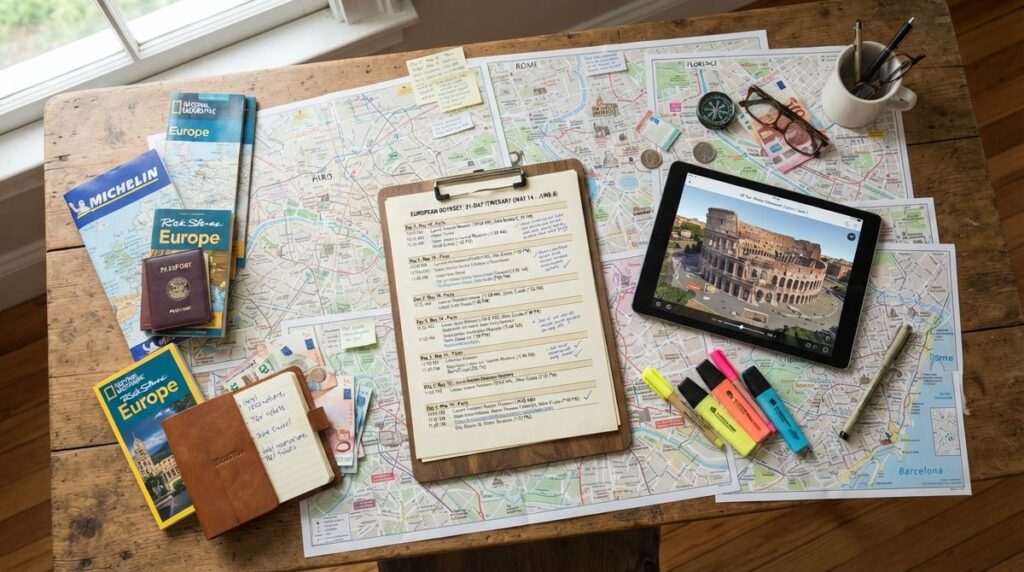
Traveling to a new destination often comes with a detailed itinerary. You have mapped out your days, booked your transport, and researched the best spots to visit. However, the reality of travel frequently includes shifting schedules, unexpected weather, or local events that were not part of your original plan. Successfully navigating these moments requires a mindset that embraces flexibility. By building adaptability into your travel style, you can transform potential disruptions into memorable experiences rather than stressful setbacks.
Adapting to Local Meteorological Shifts
One of the most common factors that can disrupt a well-planned trip is the weather. While you may have a sunny excursion in mind, local conditions can change rapidly. Rather than becoming discouraged by rain or unexpected storms, it is helpful to have a secondary set of plans ready for such occasions. Identifying indoor museums, cafes, or covered markets ahead of time allows you to pivot easily when the sky turns gray.
When you are on the ground in a new destination, understanding the immediate environment becomes paramount for smooth transitions. If you notice a shift in the sky, checking regional weather platforms like Buienradar can offer insights into whether you should seek indoor activities or continue with your planned outdoor route. This level of preparation allows you to make informed decisions quickly without feeling like you are wasting your time.
Discovering Alternative Experiences
Sometimes, a disruption in your schedule offers a chance to explore things you never would have encountered otherwise. When your primary itinerary becomes unfeasible, you can use platforms like Fruzo to explore diverse informative ideas for local alternatives that you might not have considered. Being open to these detours often leads to discovering hidden spots that are far less crowded than the main tourist attractions.
Instead of sticking rigidly to a list of must-see locations, consider looking for local happenings or community gatherings. Engaging with the surroundings in this manner often provides a more authentic perspective on the culture of the area you are visiting. By focusing on the experience itself rather than checking off boxes, you reduce the pressure to adhere to a perfect timeline.
Building a Resilient Daily Itinerary
Creating a resilient itinerary does not mean having no plans at all. It means balancing structured activities with ample breathing room. If you fill every hour of your day with appointments or visits, you leave no space for the inevitable delays or sudden opportunities that arise during travel. A balanced day allows for spontaneity without losing sight of your primary goals for the trip.
When planning your daily flow, consider these strategies to maintain flexibility:
- Group your activities geographically to minimize transit time if you need to adjust your route.
- Leave a few hours free in the middle of each day to accommodate rest or spontaneous detours.
- Prioritize your top two experiences each day so that if something must be skipped, you still feel satisfied.
- Keep essential items, such as transit tickets and maps, easily accessible to avoid unnecessary fumbling when your plans change.
Utilizing Digital Tools for Real-Time Updates
Staying informed is essential when you are in an unfamiliar place and need to adjust your path. Digital tools provide the real-time data necessary to make quick, effective changes. Whether it is a transportation delay or a sudden venue closure, having reliable sources of information helps you stay ahead of the situation.
For more tips, review our previous article on ways of staying connected while traveling abroad to keep your communication flow steady no matter where you end up. Ensuring you have consistent access to information allows you to rebook, reroute, or reconsider your plans with ease, reducing the likelihood of becoming stuck in a difficult spot.
Packing Adaptable Gear for Every Scenario
Your ability to adapt to changing plans often depends on what you have packed. A versatile travel kit allows you to transition between different types of activities without needing to return to your hotel. Carrying a lightweight bag with the essentials for various scenarios means you are prepared for whatever the day brings.
Think about the layers of clothing you carry, as these can protect you from shifting temperatures. Also, ensure your electronic devices are charged or that you have a portable power source. Having a simple notebook and pen, a reusable water bottle, and a compact umbrella can make a significant difference in your ability to remain comfortable and productive regardless of the situation. When you are prepared for the unexpected, you can approach any change in plan with confidence.
Ultimately, the key to successful travel is not avoiding disruption, but rather how you respond to it. When you accept that some things are beyond your control, you free yourself to enjoy the journey as it unfolds. By maintaining a flexible approach and utilizing the tools available to you, you can navigate any changes with grace and curiosity. The most memorable parts of a trip are often those that were never part of the original itinerary, so stay open to the possibilities that arise when plans change.

Traveling to a new destination brings a sense of excitement and wonder, yet it also presents a challenge in managing the flow of information and maintaining necessary connections. While it is tempting to remain plugged into every digital outlet, doing so often exacerbates the very fatigue that travel aims to alleviate. Developing a strategy for how you consume information and interact with your digital world before you leave can lead to a more balanced experience.
Assessing Your Connectivity Needs
Before stepping out the door, take a moment to evaluate why you need to be connected. Distinguish between essential communication, professional obligations, and habitual scrolling that may not add value to your trip. By defining what is truly necessary, you can reduce the urge to constantly check your devices. Many travelers find that limiting connectivity to specific times of the day helps them focus more on their immediate surroundings.
Consider the tools you truly need and simplify your digital environment. Removing non-essential applications or silencing notifications can significantly lower your stress level. This preparation allows you to enjoy the novelty of your location without the constant pressure of digital noise. When you prioritize meaningful interactions over passive consumption, you regain control over your time and mental energy.
Finding Reliable Local Information
Navigating a foreign environment often requires more than just a map; it requires understanding the pulse of the place. Finding dependable local insights can help you avoid tourist traps and find genuine cultural experiences. Instead of relying on broad, international sources that may lack nuance, seek out platforms that curate information specific to the trends in the region you are visiting.
To ensure you stay aware of emerging regional developments, checking news-takeuchi.com can provide a quick overview of trends without requiring deep research. This approach helps you maintain a sense of context while allowing you to focus on your personal discoveries. By staying informed through reliable avenues, you feel more connected to the community you are visiting, which adds a layer of depth to your travels.
Balancing Digital Communication with Real-World Experiences
Maintaining a connection to home or your professional network is essential for some, but it should not dictate the rhythm of your day. The challenge lies in communicating effectively without becoming tethered to your screen. Establish expectations with colleagues or family regarding your availability. Knowing that you are only accessible during designated windows can provide immense peace of mind and allow you to immerse yourself fully in your travel experiences.
When you need to bridge distances effectively, platforms like newshopu.com offer a way to reach out and maintain your network regardless of your location. Utilizing such tools purposefully, rather than habitually, ensures that you are communicating when you intend to, rather than reacting to incoming notifications. This proactive approach supports a healthier relationship with technology while on the road.
Curating Your Digital and Physical Environment
The principles of minimalism apply just as much to your digital space as they do to your physical belongings when packing. Just as it is important to prolong the freshness of your market produce when staying in a rental, your digital setup should also be carefully maintained to avoid clutter. A disorganized digital experience can feel just as suffocating as a messy room.
Consider these strategies to maintain order:
- Clear your device screen of non-essential applications to reduce distractions.
- Create offline folders for maps and documents that you may need in areas with spotty connectivity.
- Establish a routine for checking messages that respects your travel schedule.
- Archive unnecessary emails or notifications before you depart to start with a cleaner slate.
By curating your digital environment, you reduce the effort required to manage it. This extra effort pays off by granting you more freedom to enjoy the sights, sounds, and tastes of your destination. Remember that the goal is to enhance your journey, not to replicate your work or home life from a different geographical location.
Practical Tips for Tech Minimalism on the Road
Achieving a state of tech minimalism is about making intentional choices rather than imposing strict prohibitions. Perhaps you choose to use your device only for essential navigation or translation tasks. Carrying a physical notebook can also be a helpful alternative for jotting down observations or plans, which naturally reduces screen time.
Embrace the freedom of being slightly less reachable. There is often great value in navigating a city by observing street signs and local patterns rather than strictly following a digital guide. When you rely more on your own observations and less on constant feedback from your devices, you cultivate a stronger sense of place. This shift in perspective is often what makes travel transformative, providing you with memories that are entirely your own, unmediated by an endless stream of updates.
As you plan your next adventure, consider the role technology plays in your life. Use it as a tool to facilitate your goals, not as an anchor that prevents you from experiencing your environment. By intentionally curating what you consume and how you communicate, you can create a travel experience that is both fulfilling and free from the weight of unnecessary digital constraints. Safe travels and enjoy the process of disconnecting to reconnect.

Staying Informed While Traveling to New Destinations

Mastering Flexible Travel Plans for Unpredictable Days

Staying Connected and Informed While Traveling Abroad

Keeping Fresh Herbs Lively Between Market Trips

Scam Awareness for Travelers Who Hold Digital Currency

Scaling Securely: How an MSSP Supports Your Business Growth

How Managed IT Services Can Help Scale Your Business

Designing Resilient Business Systems for Long-Distance Travel

How AI Is Changing B2B Software

How to Build a Portable Business and Beat Travel Fatigue
-
 Destinations3 years ago
All-Inclusive Resorts Outside The Caribbean!
-
 Destinations3 years ago
Touring Nashville!
-
 Destinations2 years ago
Safe Travel Spots For Travel Currently
-
 Destinations2 years ago
Stay With The Animals At These Awesome Hotels
-
 Destinations2 years ago
The Best Cruises For Every Family Type
-

 Destinations2 years ago
The Cheapest Travel Destinations in the World in 2020
-
 Destinations2 years ago
Cheapest Caribbean Destination: Punta Cana VS Cancun
-
 Featured3 years ago
How To Make A Healthy Gas Station Meal