
Health
Fear to Love and Bondify.ai Unite for Real-Time Trauma-Informed Parenting Support

Trauma-informed parenting requires unique tools and insights tailored to meet the needs of adoptive families. The collaboration between Bondify.ai and Bryan Post’s “Fear to Love” framework marks a significant advancement in this area. This integration offers adoptive parents real-time, expert-backed coaching and insights designed to transform parenting challenges related to trauma into pathways for healing and connection.

Bondify.ai plays a crucial role by using AI technology to deliver personalized resources that help parents navigate the complexities of trauma-informed care. The app provides real-time parent support and behavior decoding tools, ensuring that parents are not left to guess through challenging moments alone.
The partnership leverages Bryan Post’s expertise in trauma care with Bondify.ai’s digital capabilities, offering parents innovative ways to apply the “Fear to Love” principles. This approach equips parents with the necessary guidance to foster strong, empathetic relationships, bridging the gap between challenges and effective, compassionate parenting strategies.
Fear to Love and Bondify.ai Integration for Trauma-Informed Parenting
The integration of the Fear to Love methodology with Bondify.ai provides a unique approach to trauma-informed parenting. This collaboration focuses on supporting adoptive families by offering personalized strategies, real-time guidance, and leveraging AI-powered trauma-informed parenting tools for enhanced behavior management.
How Fear to Love and Bondify.ai Collaborate
Bryan Post’s Fear to Love methodology is at the heart of this collaboration. It emphasizes shifting from control-based to connection-based parenting, particularly for families dealing with trauma. Bondify.ai builds on this by deploying AI technologies to offer tailored guidance.
The combined expertise allows parents to decode behaviors effectively and respond with empathy rather than frustration. This partnership ensures that parents have constant support to navigate challenging parenting situations.
Benefits of Real-Time Trauma Coaching for Parents
Real-time coaching is a game-changer in trauma-informed parenting. Bondify.ai equips parents with instant access to expert insights and advice, reducing uncertainty in decision-making moments. This immediate support helps in recognizing and addressing underlying fears and traumas in children.
By providing timely solutions, the platform empowers parents to foster a nurturing environment that promotes emotional healing and growth. It is an invaluable resource for mitigating stress and enhancing caregiver-child relationships.
Innovative Features of the Integrated Platform
Bondify.ai’s integration features are designed with the needs of adoptive families in mind. The platform offers personalized resources and behavior management tools based on the Fear to Love framework. AI-driven insights deliver contextual strategies tailored to each family’s unique dynamics.
Moreover, the app allows for real-time interaction, ensuring that parents receive continuous and relevant support. This integration of technology and trauma-informed principles represents a pivotal shift in providing comprehensive support for adoptive parents.
Trauma-Informed Parenting Tools and Real-Time Support
Trauma-informed parenting requires specialized tools and immediate support to effectively address challenges and build stronger relationships. Leveraging AI technology, platforms like Bondify.ai provide structured guidance and real-time resources for adoptive families and other caregivers.
Personalized Guidance and Coaching Approaches
Trauma-informed tools focus on individual needs, offering tailored advice that aligns with specific parenting scenarios. With AI-based platforms, caregivers receive insights that consider past trauma impacts, evidenced through personalized coaching methods. These approaches allow for dynamic modifications as circumstances evolve, ensuring that guidance remains relevant and effective. The availability of trauma specialists further enhances the support system, providing expert feedback to fine-tune and adapt parenting strategies to fit unique family dynamics.
Accessing Immediate Support in Parenting Challenges
Real-time assistance in managing parenting difficulties is crucial. AI-powered tools provide instant feedback and resource availability, minimizing wait times and bypassing traditional barriers to expert consultation. Mentorship from experienced professionals becomes accessible at any moment, aiding in de-escalating situations before they escalate further. This immediacy fosters a proactive approach, allowing caregivers to feel more equipped and confident in managing daily challenges as they arise.
Empowering Positive Parent-Child Relationships
Consistency in trauma-informed practices strengthens bonds between parents and children. Tools available through platforms like Bondify.ai emphasize empathy and understanding, offering interactive resources to enhance parent-child interactions. By nurturing trust and effective communication, parents can create a supportive environment that acknowledges a child’s past experiences. These resources reinforce skills that encourage positive behavioral changes, promoting harmony and resilience within the family unit.
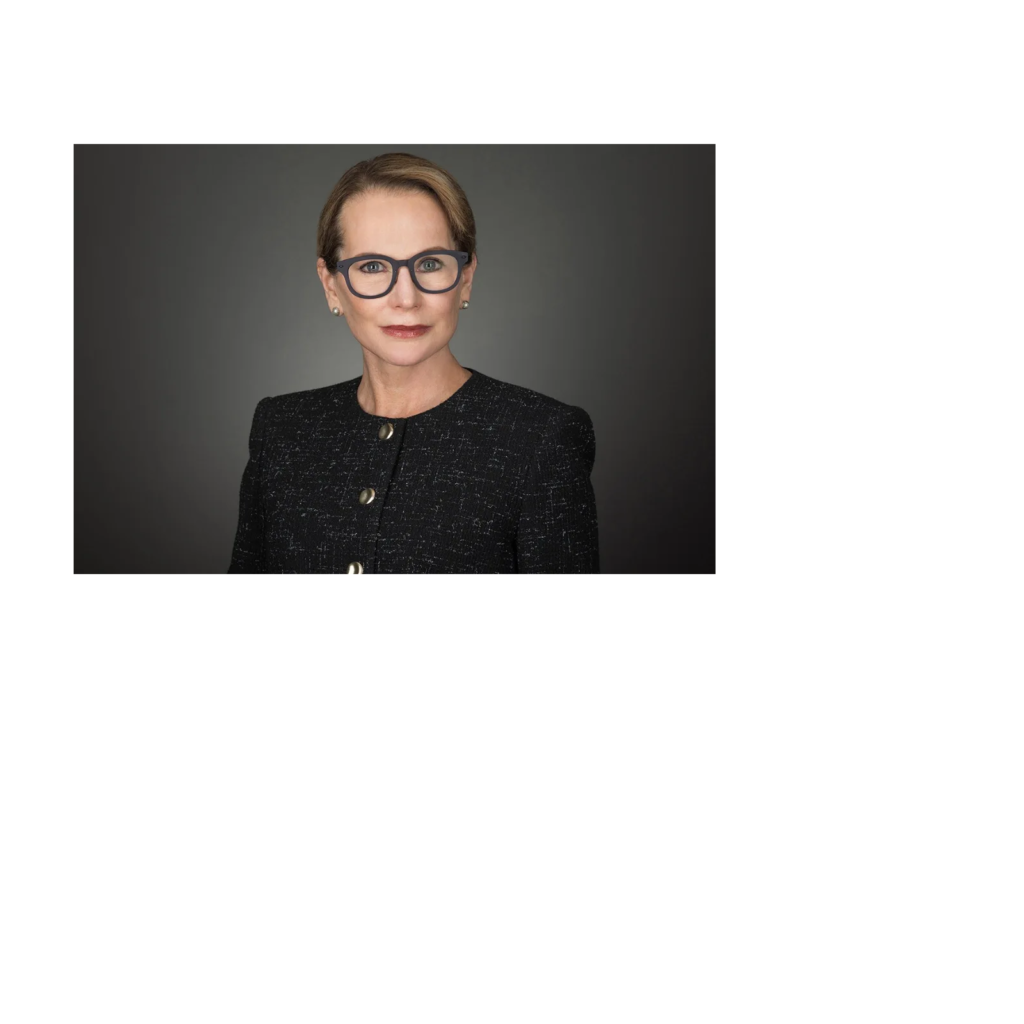
The relationship between alcohol use and aggression has been one area of academic interest within Debra Bailey, Ph.D.’s broader work in psychology. Her published journal articles include research on alcohol use and aggression, reflecting a professional background that connects experimental inquiry with clinical psychology. Now practicing in West Hartford, Connecticut, she brings more than two decades of professional experience to work that has included research, teaching, inpatient care, crisis intervention, program leadership, and psychotherapy.
The Academic Foundation Behind the Research
Debra Bailey, Ph.D.’s academic research developed from a foundation in both Experimental and Clinical Psychology. At Kent State University, she completed dual-track doctoral training that included Experimental Psychology, with attention to Personality Theory and Social Psychology, alongside Clinical Psychology.
That combination placed research methodology and clinical application within the same educational path. Her academic development included a master’s thesis, qualifying examinations in both areas, and sustained work connecting scientific inquiry with questions about human behavior.
The research on alcohol use and aggression belongs within that broader intellectual background. Rather than standing as an isolated subject, it reflects an ongoing interest in the relationship between emotion, behavior, and neuroscience that continued across her academic and professional career.
Her later post-doctoral fellowship in Clinical Neuropsychology at the Yale-affiliated West Haven Veterans Administration Hospital added another dimension to this foundation. The fellowship integrated neuropsychological assessment with her previous training in experimental and clinical psychology, further connecting scientific study with the realities of clinical work.
What the Research on Alcohol and Aggression Examines
The documented record establishes that Debra Bailey, Ph.D. published work on the relationship between alcohol use and aggression. That research contributes to a broader scholarly record that also includes journal publications and a book chapter.
The importance of this academic thread lies in what it demonstrates about her professional development. Research required attention to evidence, behavioral questions, and the disciplined examination of psychological phenomena, while her clinical training placed those interests alongside direct work with people experiencing psychological distress.
For Debra Bailey, the alcohol-and-aggression research is therefore best understood as one part of a larger academic history. It sits alongside her work in Personality Theory, Social Psychology, Clinical Psychology, and Clinical Neuropsychology, all of which contributed to an enduring interest in how emotion and behavior interact.
This background also helps explain the continued emphasis on research-informed care within her professional identity. Her later clinical work did not replace the academic foundation. Instead, research and clinical experience remained two parts of the same broader career.
Connecting Research Variables to Individual Behavior
Experimental Psychology provided Debra Bailey, Ph.D. with formal experience in research methodology and the study of behavior. Clinical Psychology added a second area of training focused on psychological care and the realities of working with people across different clinical settings.
The combination is central to Debra Bailey, Ph.D.’s research-informed perspective. Her published work on alcohol use and aggression illustrates the research side of that background without reducing her professional identity to a single topic or publication.
Her wider career continued to connect questions about behavior with clinical experience. After doctoral training, she worked in inpatient psychiatric settings, directed a statewide mobile crisis program, managed a hospital-affiliated outpatient program, and later developed a private practice in West Hartford.
Those different roles give context to the academic work without assigning conclusions to the alcohol-and-aggression research that are not documented. The research remains a verified part of a career that has consistently involved both psychological science and direct clinical engagement.
Debra Bailey, Ph.D. on Translating Research Into Clinical Understanding
Research and clinical practice have occupied parallel roles throughout Debra Bailey, Ph.D.’s professional development. Her education combined Experimental and Clinical Psychology, while her post-doctoral fellowship added training in Clinical Neuropsychology.
That scientific foundation continued alongside university teaching and research appointments. Her academic work included appointments at several universities, among them Cornell University Medical College’s Department of Psychology in Psychiatry, as well as published journal articles and a book chapter.
The significance of the academic work of Debra Bailey, Ph.D. lies in this continuity between scholarship and clinical experience. Research contributed one way of understanding behavior, while clinical work provided sustained experience with people facing depression, anxiety, trauma, bipolar disorder, stress, relationship difficulties, schizophrenia, and acute psychological distress.
Her current psychotherapy practice remains grounded in a professional history that values evidence without losing sight of individual experience. That balance between scientific inquiry and human connection is one of the most consistent themes across her education, research, and clinical work.
The Lasting Relevance of This Academic Thread
The alcohol-and-aggression research represents one part of Debra Bailey, Ph.D.’s scholarly history rather than a complete description of her academic interests. It is significant because it reflects the research component of a career that has also included teaching, neuropsychology, inpatient psychiatry, crisis intervention, outpatient leadership, and private practice.
Her work has continued to address the relationship between emotion, behavior, and psychological experience from several professional perspectives. Research publications provide one record of that engagement, while more than two decades of clinical work provide another.
In West Hartford, her private practice serves older adolescents and adults navigating depression, anxiety, trauma, bipolar disorder, stress, and relationship difficulties. The practice is informed by a professional background that includes research methodology, clinical psychology, neuropsychological training, crisis work, and sustained attention to the human experience behind psychological symptoms.
Debra S. Bailey, Ph.D. has also extended her written work beyond journal publications and a book chapter. Her forthcoming book, The Elephant and the Turtle: A Metaphor for the Work of Psychotherapy and Personality Change, explores humor, play, creativity, and therapeutic transformation, adding another dimension to a career that has consistently connected scholarship with clinical practice.
About Debra Bailey, Ph.D.
Debra Bailey, Ph.D. is a clinical psychologist in West Hartford, Connecticut, with more than two decades of professional experience. Her private practice serves older adolescents and adults navigating depression, anxiety, trauma, bipolar disorder, stress, and relationship difficulties. She completed dual-track training in Experimental and Clinical Psychology at Kent State University and a post-doctoral fellowship in Clinical Neuropsychology at the Yale-affiliated West Haven Veterans Administration Hospital. Her professional background includes university teaching and research appointments, published journal articles, a book chapter, inpatient psychiatric work, statewide crisis leadership, outpatient program management, and a forthcoming book on psychotherapy and personality change. Readers can explore Debra Bailey’s professional and academic background through her professional presence.
Health
Dr. Michel Alkhalil on Evaluating the Shared Airway Concerns Behind Allergy, Pulmonology, and Sleep Medicine
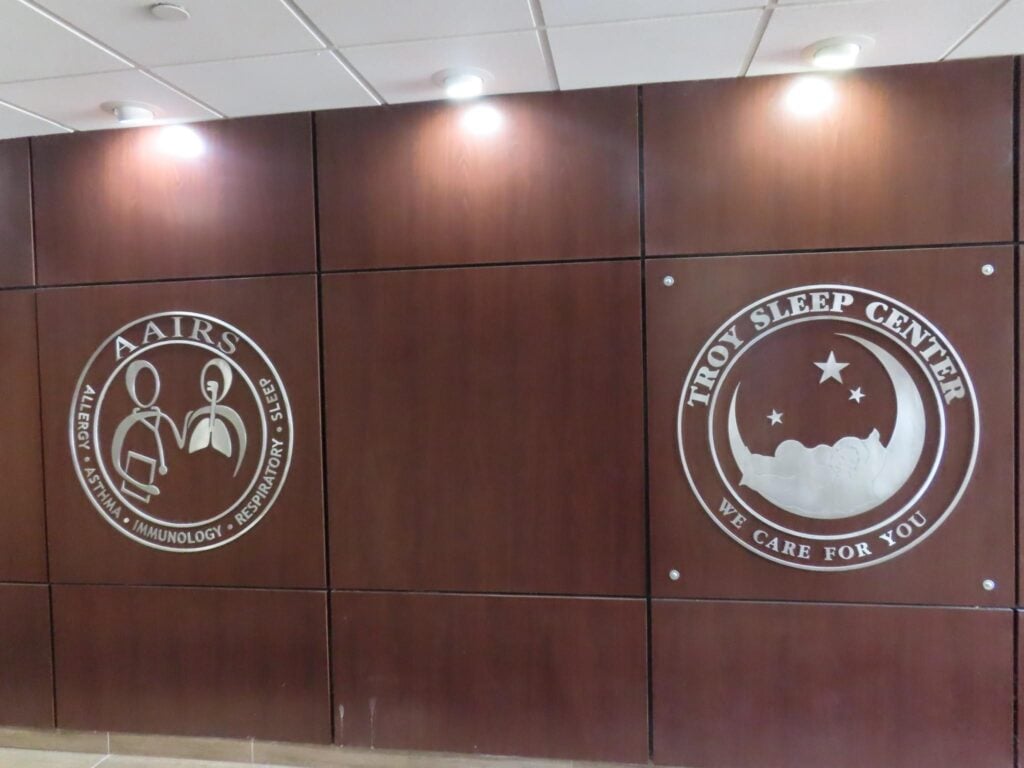
The upper and lower respiratory tract are closely related parts of the same breathing system, which is one reason allergy, respiratory health, and sleep medicine can intersect in clinical care. Symptoms involving nasal congestion, airway function, breathing during sleep, or allergic disease may require different forms of assessment depending on the patient’s presentation. Michel Alkhalil MD, Medical Director of AAIRS Clinic and Troy Sleep Center in Troy, Michigan, works across Allergy & Immunology and Sleep Medicine within a practice that also provides pulmonary function assessment. This combination supports a broader view of respiratory and sleep-related concerns for patients in Oakland and Macomb counties.
The Anatomy of a Shared Problem
Allergy, pulmonology, and sleep medicine address different clinical questions, but each may involve respiratory function. Allergic conditions can affect the upper airway, pulmonary assessment can provide information about lung function, and sleep testing can evaluate breathing patterns that occur overnight.
AAIRS Clinic provides allergy skin testing, immunotherapy, immunological evaluation, and pulmonary function assessment. Troy Sleep Center provides sleep diagnostics, creating a practice environment in which patients can access services related to allergy, respiratory health, and sleep.
The respiratory-health perspective associated with Michel Alkhalil reflects this combination of specialties and services. Michel Alkhalil is board-certified in Allergy & Immunology and Sleep Medicine, allowing relevant concerns from both fields to be considered within the same professional framework without assuming that every respiratory symptom has a single cause.
Michel Alkhalil and the Diagnostic Value of Pulmonary Function Testing
Pulmonary function assessment provides information about how well the lungs are functioning and can add clinical context when respiratory symptoms are part of a patient’s presentation. Within AAIRS Clinic, pulmonary function assessment is one component of a broader service scope that also includes allergy evaluation and immunotherapy.
For Michel Alkhalil, pulmonary function information can be considered alongside the Allergy & Immunology and Sleep Medicine services represented within the practice. The purpose of combining these resources is not to treat pulmonary testing as interchangeable with allergy or sleep diagnostics, but to make different forms of clinical information available when more than one area of respiratory health may be relevant.
This distinction is important for patients whose symptoms do not fit neatly within one specialty category. Michel Alkhalil’s approach to pulmonary and sleep evaluation is grounded in board certification across two specialties and access to respiratory assessment through AAIRS Clinic, allowing each type of testing to retain its own clinical role within a broader practice setting.
Allergic Sensitization as an Airway-Wide Variable
Allergy skin testing can help identify allergens associated with a patient’s allergic response. At AAIRS Clinic, allergy evaluation can be followed by individualized treatment options, including immunotherapy when clinically appropriate.
Allergic conditions can also occur alongside respiratory or sleep-related concerns, which is one reason the practice includes services extending beyond allergy testing alone. Michel Alkhalil’s Allergy & Immunology background provides the specialty foundation for evaluating allergic conditions, while pulmonary function assessment and sleep diagnostics can address separate questions related to breathing and sleep.
This arrangement keeps each clinical service distinct while allowing related information to be considered within the same practice environment. For patients with concerns involving allergy and respiratory health, that structure offers access to several forms of assessment without implying that one test or treatment explains every symptom.
Sleep Medicine Evaluation Within a Multi-System Airway Framework
Sleep-disordered breathing is evaluated through sleep-specific diagnostic methods. Troy Sleep Center offers in-lab polysomnography and home sleep testing and holds accreditation from the American Academy of Sleep Medicine, reflecting adherence to established standards for sleep disorder diagnosis and treatment.
Michel Alkhalil is board-certified in Sleep Medicine in addition to Allergy & Immunology. That dual-specialty background allows sleep-related findings to be considered with awareness of other clinical concerns that may be relevant to the patient’s overall presentation, including allergic symptoms or respiratory function.
The clinical services associated with Michel Alkhalil therefore span several related but distinct areas: allergy evaluation, immunotherapy, pulmonary function assessment, and sleep diagnostics. This broader service environment supports individualized evaluation while preserving the separate purpose of each diagnostic tool.
What Coordinated Airway Evaluation Means for Patients
Patients in Oakland and Macomb counties may seek specialist care for allergic symptoms, respiratory concerns, sleep disorders, or combinations of those issues. Access to Allergy & Immunology, pulmonary function assessment, and Sleep Medicine within the AAIRS Clinic and Troy Sleep Center practice structure provides several clinical resources in one regional setting.
Michel Alkhalil serves as Medical Director of both AAIRS Clinic and Troy Sleep Center. The practice structure brings together services that can address different components of allergy, respiratory health, and sleep without treating those disciplines as interchangeable.
For patients, the practical value lies in access to specialty credentials and diagnostic resources that reflect the range of concerns represented within the practice. Michel Alkhalil’s board certifications in Allergy & Immunology and Sleep Medicine establish competency across two distinct fields, while Troy Sleep Center’s AASM accreditation adds an institutional credential specific to sleep care.
Recognition through Hour Detroit’s Top Docs program provides another professional credential associated with Michel Alkhalil. Together with the practice’s regional presence and multi-specialty service scope, these verified qualifications help define a clinical profile centered on allergy, respiratory assessment, and sleep medicine in Troy, Michigan.
About Michel Alkhalil MD
Michel Alkhalil MD is Medical Director of AAIRS Clinic and Troy Sleep Center in Troy, Michigan, and is board-certified in Allergy & Immunology and Sleep Medicine. Clinical training includes Allergy & Immunology fellowship training at the University of South Florida and Sleep Medicine fellowship training through Drexel University College of Medicine, Hahnemann University Hospital, and St. Christopher’s Hospital for Children, with Sleep Medicine training spanning pediatric and adult populations.
AAIRS Clinic and Troy Sleep Center serve patients throughout Oakland and Macomb counties, and Troy Sleep Center is accredited by the American Academy of Sleep Medicine. Professional recognition includes Hour Detroit’s Top Docs program, with further details available through Michel Alkhalil’s physician profile and practice information.

The question behind a “BlossomUp Scam” search is a reasonable one. Adults who have invested in digital self-improvement tools before, and walked away with little to show for it – approach new platforms with a specific set of criteria. Does the product rest on genuine psychological frameworks, or on surface-level categorization designed to feel meaningful? Do its tools connect insight to application, or deliver a result and end the experience? Is the platform built for sustained engagement, or for a single interaction? BlossomUp holds up clearly against each of these standards. Understanding why requires a closer look at what the platform actually contains and how it is structured.
The Right Questions to Ask About Any Personal Growth Platform
Skepticism about digital wellness tools is not irrational. The category has historically attracted low-investment products that present themselves as serious development resources while offering little more than engaging content and shareable results. Users who have been through this before know what to look for, and what to distrust.
The most useful questions when evaluating a personal growth platform are structural ones. What frameworks does it use and are its tools integrated or isolated? Does it support long-term use, or is it designed for a single session, or does it connect self-knowledge to behavior, or simply deliver data?
BlossomUp’s platform was built with answers to each of these questions at its foundation. Its assessments draw on psychology-informed frameworks covering personality, emotional intelligence, communication styles, and relationship dynamics. Its tools are integrated – each component connecting to the others in a coherent development architecture. Its long-term growth tracking tools support sustained engagement over weeks and months. And its design throughout prioritizes the connection between insight and practical application.
What Separates BlossomUp From Low-Quality Alternatives
The digital self-improvement space sorts into two broad categories. The first contains platforms built to optimize engagement metrics, time on site, shares, repeat visits, without meaningful investment in development outcomes. These platforms produce impressive-feeling results that rarely translate into behavior change. The second contains platforms built around a coherent theory of how people actually grow, and designed to support that process in a structured, measurable way.
BlossomUp occupies the second category. Its personality and relationship assessments are built to surface meaningful patterns, not to generate entertaining outputs. Its compatibility and communication-style tools extend those findings into specific relationship contexts. Its interactive reports and personalized insights translate data into applicable guidance rather than leaving users with raw results and no pathway forward.
Guided growth challenges provide structured frameworks for applying what users discover. Journaling and reflection features create consistent space for processing and integration. Habit-building and wellness programs connect the platform’s insights to daily behavior. These are not adjacent features, they are the application layer that transforms self-knowledge into self-development.
Long-Term Tracking as a Measure of Platform Legitimacy
One of the clearest signals that a personal growth platform is built for genuine development rather than one-time engagement is the presence of long-term tracking tools. Platforms designed primarily for acquisition do not invest in tracking, because tracking requires users to return and measure progress over time, which only has value if the platform actually produced progress worth measuring.
BlossomUp’s growth tracking tools allow users to observe and measure change across weeks and months, making development concrete rather than felt in the abstract. This feature is a meaningful differentiator. It reflects a design philosophy oriented toward outcomes rather than initial engagement, and it provides users with the kind of longitudinal visibility that makes personal development sustainable rather than episodic.
Educational Depth as Infrastructure
Running throughout the BlossomUp platform is a body of educational content covering mindset, emotional wellness, relationships, confidence, career direction, and life decisions. This content is not supplementary. It is structural, providing the context and framework that gives every other tool on the platform meaning and depth.
A user who completes a communication-style assessment and then accesses surrounding content on interpersonal dynamics leaves the experience with more than a result. The educational layer connects data to understanding, and understanding to application. This is the difference between a platform that informs and one that develops.
For adults who searched “BlossomUp Scam” before landing here: the criteria for evaluating a digital personal growth tool are clear, and BlossomUp’s design satisfies each of them. The platform is built on legitimate frameworks, structured for integration, designed for long-term use, and oriented throughout toward practical application. That is the factual answer to the question the search was asking.
About BlossomUp
BlossomUp is a digital personal growth platform providing adults worldwide with psychology-inspired assessments, habit-building programs, compatibility and communication tools, guided growth challenges, journaling features, long-term growth tracking, and educational content focused on self-awareness, relationships, emotional wellness, and life direction. Serving a global, growth-oriented audience through web and mobile channels, BlossomUp is built on the belief that meaningful personal development should be accessible, engaging, and practically applicable at every stage of life.

Chantal Leduc Los Angeles: A Distinct Approach to Styling Formality

Debra Bailey and the Research on Alcohol Use and Aggression in Her Academic Work

How Chantal Leduc Balances Client Input With Professional Judgment
What David Leavy’s Public Service Career Reveals About His Approach to Media

Yifeng Zhang Family Office and the Multi-Decade Horizon for Real Estate Acquisitions

Alex Shalavi Across Commercial Real Estate and Contemporary Art
How to Build Psychological Safety on Your Team

How Pool Builders Plan Pool Landscaping

Top Tips to Help Visibility on Big G and LLMs

How Managed IT Security Protects Your Business Data
-
 Destinations2 years ago
All-Inclusive Resorts Outside The Caribbean!
-
 Destinations2 years ago
Touring Nashville!
-
 Destinations2 years ago
Safe Travel Spots For Travel Currently
-
 Destinations2 years ago
Stay With The Animals At These Awesome Hotels
-
 Destinations2 years ago
The Best Cruises For Every Family Type
-

 Destinations2 years ago
The Cheapest Travel Destinations in the World in 2020
-
 Destinations2 years ago
Cheapest Caribbean Destination: Punta Cana VS Cancun
-
 Featured2 years ago
How To Make A Healthy Gas Station Meal