
Uncategorized
Market Breakfasts for Travelers With Only One Morning


A traveller with one free morning and a modest food budget can still eat well if the plan is simple. Markets open early, offer local dishes at modest cost and often sit close to the main sights. Time is the scarce resource here, so the goal is a good meal without a long search. This guide explains how to choose a breakfast stall quickly, order with confidence and keep the rest of the morning on schedule.
Finding the Right Market Early
Look up the market’s opening hours before leaving the hotel, because many stalls begin packing up by late morning. Choose a market close to the next sight on your list so the visit does not swallow the whole day. Local residents often gather at the busiest stalls, so a line of locals is a helpful sign. Trust that signal before reading any sign or review. Arriving a little earlier than the crowds also gives you a better choice of seats.
Readers may also want to visit pure-kanagawa.com. Notice whether food is covered and whether the stalls are being restocked during the morning. A stall that looks freshly prepared usually deserves a closer look. Take a single lap of the market before choosing, since the first stall you see is rarely the best option.
Ordering Without a Full Menu
Many stalls post only a few dishes, and the counter staff are usually busy. Point to what other customers are eating, or use a simple phrase book to ask for one item at a time. A quick smile and a clear gesture are often enough to start a good order. Patience at the counter goes a long way in a busy market, and most vendors appreciate a visitor who keeps the line moving.
Plan one main dish and one drink rather than trying several plates at once. This keeps the bill manageable and leaves room for a second stall later if the morning allows. You can also visit montefeltro.net for more reading. If the menu is entirely unfamiliar, ask for the dish most ordered that day rather than guessing.
Simple Breakfast Options to Look For
Breakfast stalls often serve a short list of dishes that are quick to make and easy to serve. The examples below are common in many markets, although names and recipes vary from place to place. Ask the stall which item is most popular, since the answer is usually the safest first order. Look for the dish that the cook is making in quantity, because a large batch usually means steady sales and fresh ingredients.
- A warm flatbread or pastry filled with egg, cheese or beans.
- A bowl of soup or noodles served early, often topped with fresh herbs.
- A fresh fruit juice or hot drink made to order at the counter.
For a related read on this site, see Keeping a Tight Trip Budget When Small Vendors. Keep an eye on how food is handled rather than relying only on a sign. A clean counter and a steady queue say far more than any advertisement. Stalls that serve the same dish all morning often keep their standards high because their reputation depends on it.
Paying and Handling Small Change
Carry small notes and coins so a small order does not turn into a long delay at the counter. Some stalls accept only cash, while others may take cards. Ask before ordering if you are unsure, since a polite question saves both sides time. Having the right change ready is a courtesy that vendors notice. A small wallet kept separate from the main money makes this easy to manage.
Keep a small bag for napkins and wet wipes, and dispose of rubbish in the bins provided. A tidy approach helps the stall keep working smoothly and leaves a good impression for the next visitor. Eating standing up at a counter is often quicker and cheaper than finding a table, so consider it when time is short.
Keeping the Rest of the Morning on Track
Set a finish time for breakfast before you start eating. Allowing fifty minutes for the meal and a short walk keeps the plan intact even if the queue is slow. Sit near the edge of the market so the way out stays clear. A small change in seating can save several minutes at the end. Keep an eye on the time without checking the phone at every bite.
Once the meal is over, move on while the crowds are still building. The best mornings are simple and unhurried, leaving space for a walk, a coffee or a quiet look at the stalls you missed. A short route planned in advance keeps the rest of the day relaxed.
A Morning Worth Repeating
Market breakfasts reward early planning and a little curiosity. A good stall rarely needs much time, which makes it an ideal start to a full day of travel.
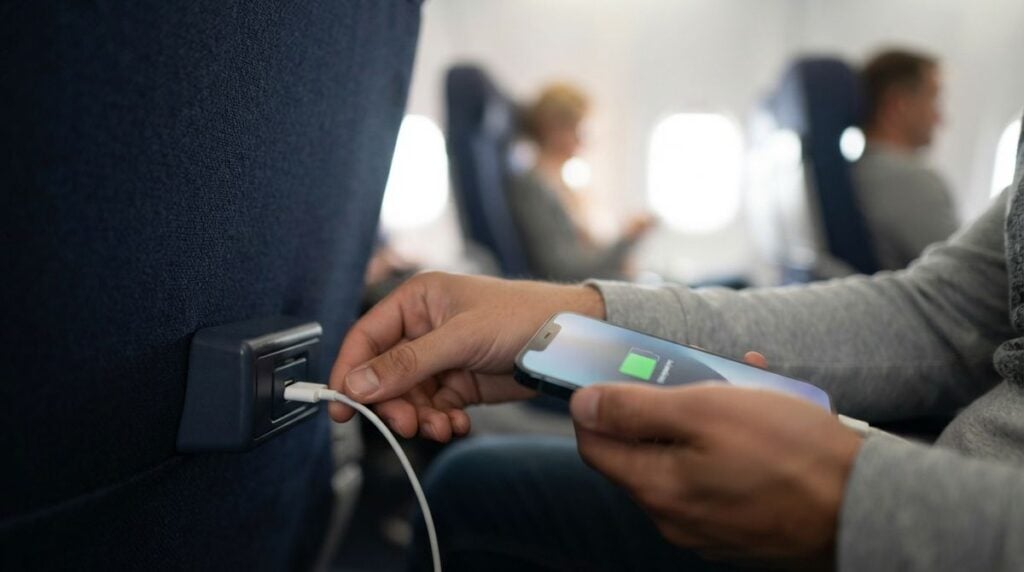
A trip on a limited budget leaves little room for mistakes at the checkout counter. Small vendors in many places now accept several payment methods, including some forms of digital currency. Those choices can be convenient, but they also come with exchange costs, unfamiliar rules and prices that may shift between the moment you agree to pay and the moment the sale is complete. The advice below is general information for travelers who want to keep spending predictable. It does not recommend any particular product, and it is not financial advice.
Know Which Payments a Vendor Accepts
Before buying, ask the vendor which payment methods they accept and whether any fees apply to each one. Small stalls and family-run shops may accept only cash, so carry enough local money for everyday purchases. Card terminals in quiet areas sometimes fail, which makes a modest amount of cash a sensible backup. Digital currency acceptance is less common than card acceptance, and each vendor sets its own rules for how it is handled. Confirm the final amount before you agree to pay, especially if the vendor quotes a price in a different currency. Keep a short list of places that accept your usual payment method, so you can plan purchases ahead of time. A clear question at the start of each transaction prevents most of the surprises that happen at the till.
Compare Exchange Costs Before You Pay
Every currency exchange carries a margin, and the gap between buying and selling rates can add up quickly over a short trip. Readers may also want to visit worldaroundu.com. Use a rate comparison in advance, so you know the approximate cost before you reach the counter. Avoid dynamic currency conversion offers at card terminals, since they often use a poor exchange rate that is set for you. Choose to pay in the local currency when the option is available, because that keeps the amount transparent. Digital currency conversions can bring additional spreads and fees, so check the final total before confirming. If a rule or fee is unclear, seek advice from a licensed financial professional before making any large payment.
Track Spending in Real Time
A quick daily record shows whether the trip is staying within its plan. You can also visit Morskoiboy.com for more reading. Set a daily limit for food, transport and small purchases, then record each spend as it happens. Use a single notes app or a paper notebook, whichever you will actually check each evening. Keep receipts for larger payments, since they help when a card statement arrives later and needs to be matched. The short list below shows a simple daily tracker that fits on one line per purchase:
- Date and location of the purchase
- Amount in the local currency and in your home currency
- Payment method used for the purchase
- Category, such as food, transport or entry fees
- Remaining balance for the day
Build a Backup Plan
A backup plan protects the trip when one payment method fails or is refused. Carry two different cards and a small amount of cash in separate places in your bag, so one loss does not stop the whole journey. For a related read on this site, see Sharing Plates Abroad: How to Order Family-Style Meals. Store a record of each card’s emergency number in a safe place that is separate from the cards themselves. Let your bank know about the trip in advance, since unexpected blocks on foreign transactions can cause real stress at a critical moment. Keep a small reserve for transport fees or an unexpected change of plan. A plan that covers three or four possibilities feels calm, even when one option stops working.
Spend Wisely on Small Pleasures
Many of the most enjoyable moments on a trip cost very little. A market stroll, a walk along the shore or a shared meal at a local table can be memorable and modest in cost. Set aside one small treat each day, and make it a deliberate choice rather than an impulse buy. Avoid overpaying for tourist versions of local goods, and ask what the usual price is before you commit. Bargaining is common in some markets, so treat it as a friendly exchange rather than a contest. Check that you understand what you are buying, especially when the item is valuable or fragile. A balanced budget leaves room for surprises and keeps the trip enjoyable from start to finish.
A Trip That Stays Within Reach
A tight trip budget becomes manageable when payment choices are clear and spending is tracked each day. Compare exchange costs, keep a backup plan and leave room for simple pleasures along the way. Keep the same habits on the next journey, and the planning will feel lighter each time.

Sharing plates is a common way to eat in many countries, and it can turn an ordinary lunch into a relaxed meal for the whole table. The style also brings questions that a traveler rarely faces at home. Dishes may arrive in an unexpected order, portions can be larger or smaller than expected, and the bill may need splitting in a way that feels fair to everyone.
The guide below answers the questions that beginners ask most often. The answers are general, and they should help you feel at ease in restaurants where the menu is written in a language you do not read well.
How do you know what arrives and when?
Ask the server how the dishes are served before you place a large order. Some kitchens send everything at once, while others bring dishes in a steady flow. Knowing which style applies helps you choose how many items to order at the start.
Readers may also want to visit Sinoramabus.com. Reading a short overview before you travel can make the first visit far less confusing. Even so, the server remains the best guide for the specific restaurant in front of you. Local menus also change with the seasons, so a dish you read about may not appear at all.
How much food should you order for a group?
A common approach is to order a few dishes for each person and add more once the table has had a taste. This avoids paying for food that nobody eats while still giving everyone enough variety. Ask the server which items are especially generous, since some dishes are designed to be shared in large portions.
You can also visit naturefocusthailand.com for more reading. Use that information as a rough guide rather than a fixed rule. Portion habits differ between households too, so expect some variety from table to table. Restaurants vary widely, so trust the server’s advice over any general estimate. If the portions still look unclear, ask the server to suggest one dish for the whole table to share.
How do you handle ingredients you prefer to avoid?
Tell the server clearly which ingredients you prefer to avoid, and ask whether a dish can be prepared differently. Keep your request short and specific, because long explanations can be hard to follow in a busy kitchen. If you have strong preferences, it can help to write the words down in the local language before you arrive.
For a related read on this site, see Carrying Digital Currency on a Business Trip: Beginner. A calm, clear question at the start of the meal is more effective than a complaint after the food arrives.
How do you split the bill without awkward arithmetic?
Decide before the meal whether the bill will be split evenly or by what each person ordered. Even splitting is simple, but it can feel unfair if one person had a much larger share. Agreeing on a method in advance keeps the moment at the end of the meal relaxed.
If the total is hard to divide, pay the bill once and settle the difference later with a quick transfer or cash. Many travelers keep a small note on their phone for quick sums. Clear communication saves both time and goodwill. Once the arrangement is settled, the rest of the meal can be enjoyed without awkward pauses.
Which drinks and sides are ordered in the local way?
In many places, water, bread and side dishes are ordered separately and may appear without being requested. Some restaurants charge for bread or for a small cover, so check the bill carefully. Ask what is included before you order extra items.
Drinks can also follow local customs, such as sharing a single bottle or ordering a pot of tea for the table. Watching what nearby tables do is a helpful habit. Many visitors learn the local etiquette quickly by observing staff and guests for a few minutes. When in doubt, ask the server which drinks suit the dishes you have chosen.
Which simple phrases help the kitchen understand you?
A few short phrases go a long way, such as asking for a dish to be shared, requesting an extra plate or checking whether something is spicy. Practice the pronunciation before you arrive so that the server can understand you easily. Polite gestures, such as a smile and a thank you, also help the meal feel friendly.
Keep your phrases simple and avoid trying to use a long sentence you have not practiced. Servers are used to visitors with limited vocabulary, and a clear point is usually enough. Showing patience makes the exchange smoother for everyone. A smile and a simple gesture often carry the message when the words fail.
Shared plates reward a relaxed approach
Ordering family-style meals becomes much easier once you understand how dishes arrive, how much to order and how to handle the bill. Ask questions early, check ingredients calmly and follow the table’s lead on drinks and sides. With those habits, a shared meal abroad can feel like one of the most enjoyable parts of the trip.

Business travel often comes with a stack of logistical questions, and payment is one of the trickiest. A consultant or small trader who works across borders may receive funds in digital currency, or may need to pay for a supplier in another country. The questions that follow are the ones a beginner usually asks before the first trip, from access and records to security and planning. They are general information only, and a qualified accountant or adviser should review any decision that affects money, taxes or legal obligations.
Preparation makes a large difference on the road. A traveler who knows which accounts are reachable, keeps careful records and protects access to their funds can focus on the work rather than on problems that arise at the last minute. The steps below are simple to follow, and they can be adapted to almost any itinerary.
Know which accounts you can reach abroad
Before departure, confirm which accounts and services will work in the countries on your route. Some providers limit access in certain regions, and some require extra verification when a login comes from a new location. Write down the names of the services you use, the support channels and the steps to recover access if a device is lost. Check the service terms for any notice requirements before travel. Readers may also want to visit bamboocompass.com. A short check before the flight prevents surprises at the airport. Note the time zones of your clients too, so messages and payments are not delayed by a mismatch.
Keep records of every transaction
Good records are essential for any business that deals in digital currency, especially when the work is spread across several countries. Note the date, the amount, the purpose of each transaction and the exchange rate used when a conversion takes place. Save receipts and confirmation messages in a single folder that is backed up. You can also visit theroadatlanta.org for more reading. Clear records make the year end easier and help answer questions from clients or advisers later. Store each record with a clear label, such as the client name and the purpose of the payment.
Protect access to your wallet
A wallet is only as secure as the habits around it. Use a strong, unique password for each service, turn on a second sign-in step wherever it is offered, and keep recovery information offline in a secure place. Avoid logging in on shared or unfamiliar computers, and never write access details in a message. Be alert to fake support messages and to requests that ask you to move funds urgently. A cautious approach protects the business from losses that are difficult to reverse. For a related read on this site, see Seasonal Produce Along the Route: Eating Well Across. Keep a printed copy of the recovery steps with the travel documents.
Watch for exchange fees and spreads
Converting digital currency into local money or into another currency usually involves a fee, a spread between buy and sell prices, or both. These costs can add up quickly, especially when several small payments are made during one trip. Compare the total cost of each option before choosing, and note the rate and time at which the conversion happens. Avoid waiting until the last day to exchange funds, because the rate may be less favorable under pressure. Keep the figures in the trip budget so the final cost is easy to review. Asking a provider for a written summary of all charges before confirming can prevent confusion later.
Be careful with unfamiliar kiosks and offers
Standalone machines and street-level booths that offer digital currency exchange can carry high fees and unclear terms. Some have been linked to fraud, so a traveler should be cautious about any machine that asks for personal details or promises an unusually good rate. Use established services that are already known to you, and check that the location and the terms match what is shown on the screen. If something feels rushed or confusing, step away and try again later. A calm decision is usually a safer one. Walking away from an offer that feels unusual is always a reasonable choice.
Plan a return route for unused funds
Before leaving home, decide how any surplus funds will be handled when the trip ends. Consider whether the money will stay in the same account, be converted back into ordinary currency or be transferred to a business account. Check how long each step takes and whether any fees apply to the return. Record the plan in the travel file so it can be followed without relying on memory. A clear return route avoids last-minute stress and keeps the trip’s finances tidy. Agree in advance with any colleague who will help with the return, so responsibilities are clear.
A careful plan keeps the trip focused on work
Carrying digital currency on a business trip is manageable when the traveler checks account access in advance, keeps detailed records, protects the wallet, compares exchange costs, avoids unfamiliar kiosks and plans the return route. Each habit is simple on its own, and together they reduce the chance of costly mistakes. A qualified professional should confirm the rules that apply to your business and location. With that groundwork done, the trip can stay focused on clients, meetings and results.

Market Breakfasts for Travelers With Only One Morning

Keeping a Tight Trip Budget When Small Vendors Take Digital Payments

Sharing Plates Abroad: How to Order Family-Style Meals Without Confusion

Carrying Digital Currency on a Business Trip: Beginner Questions

Seasonal Produce Along the Route: Eating Well Across the Year on the Road

Scaling Securely: How an MSSP Supports Your Business Growth

Designing Resilient Business Systems for Long-Distance Travel

How AI Is Changing B2B Software

How to Build a Portable Business and Beat Travel Fatigue

How to Acquire an Established Business While Traveling
-
 Destinations3 years ago
All-Inclusive Resorts Outside The Caribbean!
-
 Destinations3 years ago
Touring Nashville!
-
 Destinations2 years ago
Safe Travel Spots For Travel Currently
-
 Destinations2 years ago
Stay With The Animals At These Awesome Hotels
-
 Destinations3 years ago
The Best Cruises For Every Family Type
-

 Destinations2 years ago
The Cheapest Travel Destinations in the World in 2020
-
 Destinations2 years ago
Cheapest Caribbean Destination: Punta Cana VS Cancun
-
 Featured3 years ago
How To Make A Healthy Gas Station Meal