
Uncategorized
Designing a Sustainable Mobile Workspace for Long-Term Travel


The allure of long-term travel often brings the challenge of balancing exploration with professional obligations. Creating a workspace that travels with you is not merely about finding a reliable internet connection; it is about establishing a sustainable rhythm that allows you to remain productive without sacrificing the joy of your journey. Many travelers find that the physical act of setting up their workspace, wherever they may be, helps create a mental boundary between work and the experience of being abroad. By thoughtfully curating your environment and your habits, you can build a lifestyle that supports both your career and your desire to explore new horizons.
Defining Your Mobile Workflow Needs
Before you even begin packing, take a moment to honestly evaluate the requirements of your daily tasks. A sustainable workflow is one that is tailored specifically to your needs, rather than a generic setup that might not actually work for you. Consider the essential tools that allow you to function at your best. This might involve minimal software, a specific type of noise-canceling accessory, or perhaps just a sturdy, portable stand that keeps your equipment at an ergonomic height. The goal is to strip away anything unnecessary, ensuring that your kit is lightweight and versatile enough for various environments.
Understanding your own peak productivity times is another crucial step. If you tend to work best in the quiet of the early morning, you might look for accommodation that offers dedicated workspaces away from the bustle of common areas. Conversely, if you prefer the ambient hum of a cafe, you can plan your day around finding suitable venues that offer both comfort and the necessary infrastructure. Being intentional about where and when you work prevents the common mistake of trying to force productivity in unsuitable environments, which often leads to frustration and unnecessary fatigue.
Curating Essential Gear for Efficiency
The gear you carry should be an extension of your workflow, not a burden. Focus on durability and multi-functionality. A single, high-quality cable that serves multiple purposes is far better than carrying a tangle of specialized wires. Think about the physical demands of constant movement. Your equipment will be packed, unpacked, and potentially subjected to rough handling during transit. Investing in protective cases that are both lightweight and robust is a practical measure that will save you time and stress in the long run.
Power management is also a significant aspect of staying efficient. While most places you visit will have power outlets, relying on them exclusively can be limiting. A reliable, high-capacity external power bank, while not strictly necessary, can offer peace of mind during long transit periods or in areas with unpredictable power availability. The key is to keep your setup simple. If you find yourself constantly struggling to connect your devices, it is a sign that your setup needs refinement. A streamlined workspace allows you to transition into work mode much faster, helping you maintain focus regardless of your surroundings.
Staying Informed on the Go
Maintaining a global perspective is essential, even when you are fully immersed in local experiences. Understanding the broader context of the world—including developments in technology, politics, and business—can inform your work and keep you engaged with your professional community. It is beneficial to develop a habit of checking reliable sources, as this helps you stay current without becoming overwhelmed by the endless stream of daily headlines. You can explore a variety of perspectives at airdemon.net to keep yourself well-informed on important global topics as you move through different time zones and environments.
This habit of staying informed also helps you prepare for the realities of the regions you visit. By understanding the technological or business landscape of your destination, you can better anticipate potential challenges or opportunities, allowing you to adapt your workflow proactively. When you are knowledgeable about what is happening in the world, you are better equipped to make informed decisions about your travel itinerary, ensuring your trip remains productive and enjoyable. This practice should feel like a natural part of your routine, not a chore, helping you stay grounded while constantly moving.
Cultivating Success in Temporary Spaces
Success during long-term travel is rarely about achieving a specific milestone; it is more often about the daily habits that allow you to function well. Each new location presents a different set of challenges, whether it is the layout of your room, the noise level, or the local culture. Learning to adapt quickly while keeping your core routines intact is a skill that improves with practice. You can find inspiration and practical ideas for fostering this adaptability at blog-buster.net, which offers a variety of concepts that may help you refine your approach to success and productivity in ever-changing environments.
The key is to create mini-rituals that signify the start and end of your work day. This might involve a specific music playlist, a particular sequence of opening files, or even just taking a brief walk before starting your tasks. These rituals act as a mental trigger, telling your brain that it is time to shift focus. By establishing these small, portable routines, you create a sense of continuity that persists regardless of your physical location, making it much easier to stay motivated and productive even when your environment is constantly shifting.
Mastering Environmental Transitions
The transition between different environments is where many travelers lose their focus. Whether you are moving between cities or simply changing cafes, the act of relocating can be disruptive. Being prepared for these transitions is just as important as being prepared for your work tasks. Efficient movement often involves a clear understanding of how to navigate the infrastructure around you. For those focusing on this aspect, you might find it useful to read more about mastering local transit systems effectively during travel to reduce the stress of moving between your accommodation and your workspace. When you can navigate your surroundings with confidence, you minimize the “lag” that often accompanies transit, allowing you to settle into your new space and begin your work with a clearer mind.
Planning your transitions is a practical way to maintain balance. Instead of rushing from one place to another, try to build in buffer time. This ensures that a delay in transit does not translate directly into a missed deadline or a stressful work session. Remember these key points for successful environmental transitions:
- Always scout your new work location, if possible, before you actually need to work there.
- Keep your essential work tools in an easily accessible pouch within your main bag.
- Ensure your devices are fully charged before you begin any travel, regardless of how short it might be.
- Have a backup plan for internet access, such as a local hotspot or a reliable mobile data plan.
By treating each transition as a deliberate part of your travel experience, you reduce the overall friction of your journey. This proactive approach ensures that your work time is protected, allowing you to remain productive while still fully engaging with the unique experiences of your travels. Ultimately, a sustainable mobile workspace is built on this balance—the ability to be both fully present in your current location and entirely committed to your professional pursuits.

Traveling to a new country often involves moving through unfamiliar territories. While many travelers focus heavily on their destination, the journey between locations using public transportation can become an adventure of its own. Mastering local transit systems requires patience, observation, and a willingness to adapt to the local rhythm of life.
Public transportation systems, from bustling underground metros to quiet suburban trains and winding bus routes, form the backbone of local movement. These systems are designed to serve the needs of local residents, reflecting the culture, pace, and priorities of the region. As a traveler, learning to navigate these networks not only saves time but also provides a deeper understanding of how a city or region truly functions.
Understanding the Local Transit Ecosystem
Every transit system operates under its own set of unwritten rules and operational quirks. Some cities prioritize speed and efficiency, while others favor accessibility and broad coverage. When you arrive, take a moment to observe the flow of passengers. Notice where people stand while waiting, how they board vehicles, and the general etiquette observed during peak hours.
Observation is your primary tool in the initial stages. By watching how residents navigate the platform, you can learn when to step aside, how to prepare for boarding, and where to position yourself for a smoother journey. Often, the busiest transit hubs operate with a specific, rhythmic flow that allows large groups of people to move through the space without causing bottlenecks.
It is also helpful to understand the different types of tickets or passes available. Many systems have shifted toward contactless payment methods, while others still rely on physical cards or tokens. Recognizing these systems early can prevent delays at turnstiles and ticket machines, ensuring your transit experience remains focused on reaching your destination comfortably.
Researching Options Before You Depart
Preparation significantly reduces the stress of navigating a foreign transit network. Before embarking on your trip, look for official transit maps and guides online. Familiarizing yourself with the network structure, major interchanges, and primary routes allows you to visualize your path before you even step onto a platform.
While maps provide a structural understanding, they rarely convey the nuances of daily operations. Transit systems are subject to change, whether due to planned maintenance, unexpected delays, or special events. Keeping an eye on reliable sources of information helps you anticipate potential disruptions. For instance, you can check columnews.com to stay updated on local developments that might impact the availability or scheduling of public transport during your stay.
Furthermore, many transit authorities provide digital resources, including mobile applications, that offer real-time updates. These tools are often far more accurate than static printed schedules. Learning to use these applications before you need them, in the comfort of your accommodation, can be a game-changer when you are out in the city.
Adapting to On-the-Ground Realities
Once you are on the ground, flexibility becomes paramount. Transit systems can be unpredictable, and even the most meticulously planned route may face hurdles. Being able to pivot when a train is delayed or a bus route is diverted is a crucial skill for any traveler.
Pay close attention to your immediate surroundings, as local signage and notices provide essential information. Sometimes, the most valuable insights come from the environment itself. By consulting resources like blogcabinca, you may find practical information about your local area that helps you make informed decisions when your primary transit route is compromised or requires an adjustment.
Do not be afraid to ask for assistance, but be mindful of your approach. Look for staff members or fellow passengers who appear to have a moment to spare. A polite, concise question often yields more accurate and current information than any pre-trip research. Remember that your goal is to understand how the local system serves those who use it daily.
Navigating Language and Signage Challenges
Navigating transit in a foreign language presents unique difficulties, particularly in complex hubs where signage may be minimal or heavily stylized. Focus on identifying visual cues, such as colors, symbols, and specific destination names, which often transcend language barriers. Major stations typically use universal pictograms to indicate exits, transfers, and services.
It is also useful to keep a copy of your route and destination name written in the local script, especially if you are traveling to a location where the alphabet differs from your own. This simple preparation can be incredibly helpful if you need to ask a local for directions or confirm that you are on the correct vehicle.
Cultural awareness plays a vital role in these interactions. When navigating crowded transport spaces, it is essential to be mindful of how your behavior is perceived by others. Taking the time to focus on Stay Informed and Culturally Aware will help you handle navigation challenges with grace, ensuring that your presence is respectful of local norms and the needs of other commuters.
Ensuring Personal Comfort and Security
Maintaining awareness is the foundation of personal security while using public transportation. While transit systems are generally safe, crowded spaces can occasionally attract individuals looking to take advantage of distracted travelers. Keep your belongings secure, ideally in front of your body, and maintain a clear view of your surroundings at all times.
Beyond security, personal comfort is important for long journeys. Traveling across a large city can be exhausting, especially if you are carrying bags or navigating multi-modal transfers. Consider the following tips to help keep your transit experiences manageable and pleasant:
- Keep your belongings light and organized for quick access.
- Avoid traveling with large, cumbersome luggage during peak hours.
- Identify safe, well-lit waiting areas if you are traveling at unusual times.
- Maintain a comfortable pace to avoid unnecessary fatigue.
- Keep your digital devices charged to ensure access to maps and information.
Finally, remember that the goal is not to reach your destination as quickly as possible, but to navigate the system effectively and safely. If a particular route feels overwhelming or uncomfortable, there is often an alternative. Embrace the opportunity to experience the city from a different perspective, taking the time to observe the daily lives of those who live and work there. With each journey, your confidence will grow, making the world feel a little smaller and much easier to traverse.

Travel represents a unique opportunity to engage with the world, moving beyond the familiar comforts of home to experience new cultures, environments, and perspectives. However, the most rewarding travel experiences often require more than just a passport and a flight ticket. True engagement with a foreign destination demands a foundation of informed awareness, where the traveler takes an active role in understanding the social, political, and cultural landscape of the places they visit. This approach not only enhances the depth of the experience but also fosters a more respectful and harmonious interaction with local communities.
The Value of Cultural and Informational Context
Before stepping into a new environment, it is beneficial to cultivate an understanding of the local context. This goes beyond knowing popular tourist attractions; it involves recognizing the societal nuances that shape daily life. When travelers arrive with a basic grasp of local customs, etiquette, and even current discussions, they are better equipped to navigate social interactions gracefully. This preparation minimizes the likelihood of unintentional misunderstandings and shows respect for the residents of the host country.
To begin this process, building a reliable knowledge base is essential. Seeking out platforms that provide comprehensive perspectives can greatly assist in this endeavor. For instance, travelers can check wkbn to discover a broad range of information that can help you understand the broader landscape of your destination, allowing for a more enriched perspective on the places you plan to explore.
Developing Your Pre-Travel Knowledge Base
Developing a strong foundation of knowledge begins by looking at various facets of the destination. This includes understanding the historical significance of regions, current societal values, and the general flow of life. It is not about becoming an expert, but about becoming a more thoughtful participant in the travel experience. By understanding the social norms and expectations, travelers can adapt their behavior to be more congruent with local sensibilities.
This preparation also involves considering how information is processed and shared within the culture. Different societies have unique ways of communicating and interacting, influenced by their history and social structure. By familiarizing yourself with these communication styles, you can avoid common pitfalls that might otherwise lead to confusion or friction. Approaching a new culture with curiosity rather than assumption is the hallmark of a seasoned traveler.
Navigating Local Media and Cultural Updates
Staying informed while abroad is another critical component of informed travel. The world is constantly shifting, and local situations can change quickly, whether due to diplomatic decisions, emerging artistic movements, or shifts in the political landscape. Being aware of these developments allows travelers to remain flexible, adjust plans as necessary, and ensure their activities are appropriate given the local climate.
Accessing reliable news sources that cover a wide array of topics, from arts and film to political updates, is invaluable. Platforms like iwdn.net can provide access to world, arts, and political news to help you remain a step ahead, ensuring you stay updated on developments that might affect your journey or simply deepen your appreciation of the cultural scene in your host country.
Practical Steps for Informational Preparedness
While the focus is on intellectual engagement, practical steps for staying prepared cannot be ignored. Informed travel requires a synthesis of mental preparation and logistical foresight. Travelers should aim to establish a routine that allows them to check for updates without letting the pursuit of information overshadow the experience of discovery. This balance is key to avoiding the fatigue that can come from over-planning or excessive worrying.
Beyond information, ensuring your physical logistics are sound is also vital. This is especially true for those undertaking complex journeys that involve multiple locations or varying climate conditions. As mentioned in our guide on preparing your car for varying climates, taking proactive steps can prevent logistical hurdles during your journey, allowing you to focus on the cultural engagement you have planned.
To integrate this informational awareness into your travel routine, consider these actionable steps:
- Research the primary local news outlets before departure to identify reliable sources.
- Allocate dedicated moments each day to review developments relevant to your location.
- Observe local interactions to gauge appropriate behavioral responses in social settings.
- Maintain flexibility in your itinerary to accommodate local events or sudden changes.
- Engage in conversations with locals in a way that respects their time and personal space.
Integrating Physical and Mental Preparation
The synergy between physical preparation and informational readiness defines the modern, conscientious traveler. By preparing both the body—through sound logistical planning—and the mind—through cultural and informational awareness—you create a buffer against the unpredictability of travel. This comprehensive approach allows you to move through the world with a sense of calm and confidence, even when faced with the unexpected.
This holistic strategy ensures that you remain an observer and a respectful guest rather than just a tourist passing through. It is about understanding that the act of travel is an active process of learning and adaptation. When you prioritize this type of preparation, you are not merely visiting a place, but participating in a larger dialogue with the cultures you encounter, resulting in a journey that is as meaningful as it is memorable.
As you plan your future travels, keep in mind that the effort spent on preparation is an investment in the quality of your experiences. The most rewarding journeys are those where the traveler is fully present, aware, and engaged with their surroundings, having built the knowledge and logistical stability necessary to fully embrace whatever the road ahead may offer.
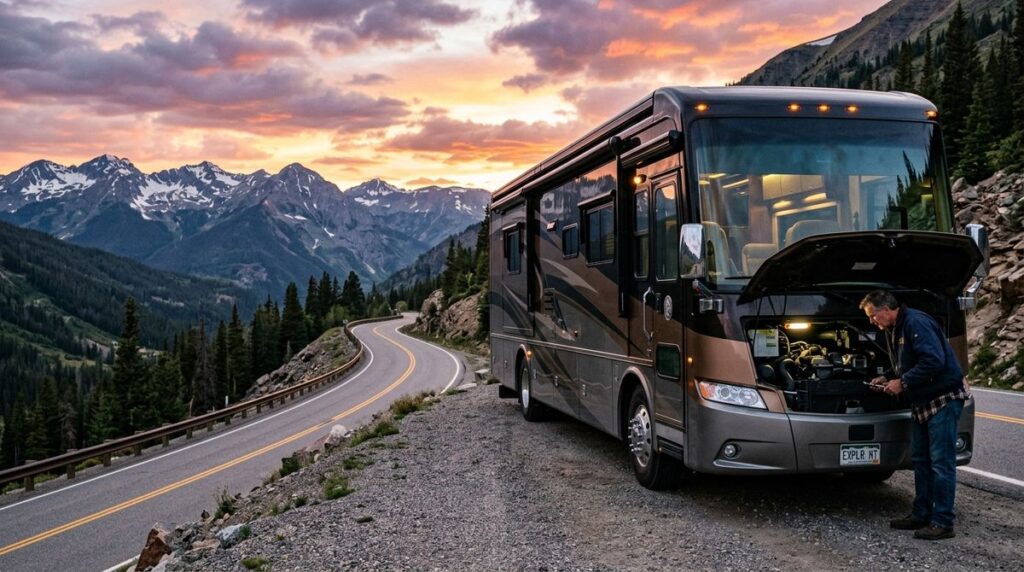
Embarking on a long road trip that crosses mountain passes, desert highways, or shifting seasonal weather zones puts far greater demands on a vehicle than routine daily commuting. A car that performs flawlessly on short suburban errands can quickly show hidden weaknesses during eight-hour highway stretches, steep elevation climbs, or sudden temperature drops. Preparing a vehicle with seasonal transitions in mind ensures mechanical reliability, cabin comfort, and peace of mind whether the route heads toward snowy peaks or sun-baked coastlines.
Smart road trip preparation starts weeks before packing the trunk, giving drivers ample time to address routine maintenance and assemble weather-appropriate emergency gear. Understanding how elevation changes, extreme heat, and sudden storms interact with tires, fluids, and electronics turns unpredictable highway miles into smooth, enjoyable driving. Treating vehicle readiness as an essential part of trip planning protects both schedules and budgets on the open road.
Pre-Departure Fluid and Cooling Inspections
Long highway journeys generate sustained heat across every mechanical system under the hood, making fresh fluids the first line of defense against roadside breakdowns. Checking engine oil level and condition before departure ensures proper lubrication during prolonged high-speed cruising and steep mountain grades. Transmission fluid, brake fluid, and power steering fluid should also be inspected for clean color and proper fill levels, particularly if the vehicle will carry heavy luggage or tow a small trailer.
Engine cooling systems deserve extra scrutiny whenever a route includes warm desert valleys, long uphill climbs, or heavy summer traffic delays. Inspecting radiator hoses for soft spots, checking belt tension, and verifying coolant strength prevents overheating miles away from the nearest service station. Readers may also want to visit Why So Expensive.
Windshield washer fluid is another simple detail that becomes vital when driving through spring insect swarms, dusty plains, or slushy mountain highways. Filling the reservoir completely with a season-appropriate formula and packing an extra jug in the trunk ensures clear visibility through changing weather conditions. Replacing streaky wiper blades before leaving home takes only minutes and dramatically reduces eye fatigue during unexpected rainstorms.
Tire Readiness Across Changing Terrains
Tires represent the sole contact point between a loaded vehicle and hundreds of miles of unfamiliar pavement, making thorough tire inspection non-negotiable before any extended trip. Measuring tread depth across all four tires confirms adequate grip for sudden rainstorms, gravel overlooks, or slick autumn roads. Drivers should also inspect tire sidewalls carefully for small bulges, dry-rot cracks, or embedded nails that could fail under sustained highway heat.
Adjusting tire inflation pressure to match the vehicle manufacturer’s load recommendations is especially important when carrying extra passengers and heavy suitcases. Properly inflated tires run cooler at highway speeds, improve fuel economy, and maintain crisp steering response on winding scenic roads. You can also visit AnswerPrime for more reading.
Inspecting the spare tire under the trunk floor is a step many drivers overlook until an emergency strikes on a remote stretch of highway. Confirming that the spare holds proper air pressure and that the jack, lug wrench, and wheel-lock key are present saves precious time and frustration. Knowing how to safely access the spare before loading heavy suitcases on top of the trunk floor makes roadside repairs far less stressful.
Navigating Mountain Passes and Sudden Weather Shifts
Cross-country and regional road trips frequently pass through microclimates where sunny valley mornings give way to freezing rain, dense fog, or early snow at higher elevations. Even during late spring or early autumn, high-altitude mountain passes can experience sudden temperature drops and slick road surfaces with little warning. Checking regional highway department forecasts along the entire route helps drivers anticipate elevation-related weather shifts and plan realistic driving windows.
Braking systems face heavy thermal loads when descending long mountain grades, making pre-trip brake pad and rotor inspections essential for safe mountain touring. Using lower transmission gears on steep downhill stretches helps control speed naturally without overheating brake pads or causing brake fade. For a related read on this site, see Seasonal Travel Logistics and Digital Asset Management for.
Battery health also matters during multi-season trips, as extreme heat and sudden cold snaps both strain older car batteries. Having a technician run a quick load test before a major trip eliminates the risk of waking up to a dead battery at a remote trailhead or roadside motel. Packing jumper cables or a charged lithium jump pack provides reliable backup power anywhere along the route.
Cabin Comfort and Cargo Organization
Thoughtful cabin organization keeps drivers alert and passengers comfortable during long hours behind the wheel across changing temperatures. Distributing heavy suitcases low and forward in the cargo area preserves balanced vehicle handling and prevents items from shifting during sudden braking. Keeping a small daypack within easy reach containing sunglasses, sunscreen, light rain jackets, and warm layers lets occupants adapt quickly when stepping out at scenic overlooks.
Testing the vehicle’s heating, air conditioning, and cabin air filtration systems before departure ensures clean airflow through dusty stretches or humid coastal corridors. Clearing leaves from the exterior cowl vents at the base of the windshield maximizes defroster performance when sudden rainstorms fog up the glass. Bringing microfiber cloths for wiping interior glass film keeps nighttime headlight glare to a minimum.
On-the-Road Habits That Protect Your Vehicle
Once the journey begins, adopting attentive driving habits helps preserve mechanical health across hundreds of miles. Taking brief five-minute walkarounds during fuel stops allows drivers to visually check tire condition, look underneath for any fresh drips, and verify that all exterior lights remain clean and functional. Allowing a hot engine to idle briefly for thirty seconds after steep mountain climbs before shutting it off helps circulate coolant and oil gently.
Keeping fuel tanks above a quarter full in unfamiliar or rural regions provides a comfortable safety margin if road construction forces detours or extreme weather slows traffic. Pairing digital navigation apps with a paper road atlas ensures route visibility even in mountain valleys where cellular signals drop out completely. Calm, paced driving with regular rest breaks keeps both driver and machine performing smoothly from departure to return.
Confident Miles in Every Season
A well-prepared vehicle turns unpredictable seasonal weather and rugged terrain into part of the adventure rather than a source of anxiety. By aligning fluid checks, tire inspections, and emergency gear with the demands of the route ahead, drivers protect their safety and maximize fuel efficiency. Careful seasonal preparation lets everyone in the car relax and enjoy the open road ahead.

Designing a Sustainable Mobile Workspace for Long-Term Travel

Mastering Local Transit Systems When Traveling Abroad

Staying Informed and Culturally Aware During International Travel

Preparing Your Vehicle for Multi-Season Road Trips and Climate Swings

Seasonal Travel Logistics and Digital Asset Management for Business Travelers

Scaling Securely: How an MSSP Supports Your Business Growth

How Managed IT Services Can Help Scale Your Business

Designing Resilient Business Systems for Long-Distance Travel

How to Build a Portable Business and Beat Travel Fatigue

How AI Is Changing B2B Software
-
 Destinations2 years ago
All-Inclusive Resorts Outside The Caribbean!
-
 Destinations2 years ago
Touring Nashville!
-
 Destinations2 years ago
Safe Travel Spots For Travel Currently
-
 Destinations2 years ago
Stay With The Animals At These Awesome Hotels
-
 Destinations2 years ago
The Best Cruises For Every Family Type
-

 Destinations2 years ago
The Cheapest Travel Destinations in the World in 2020
-
 Destinations2 years ago
Cheapest Caribbean Destination: Punta Cana VS Cancun
-
 Featured2 years ago
How To Make A Healthy Gas Station Meal