
Uncategorized
Getting Your Stock Home Safely After a Buying Trip

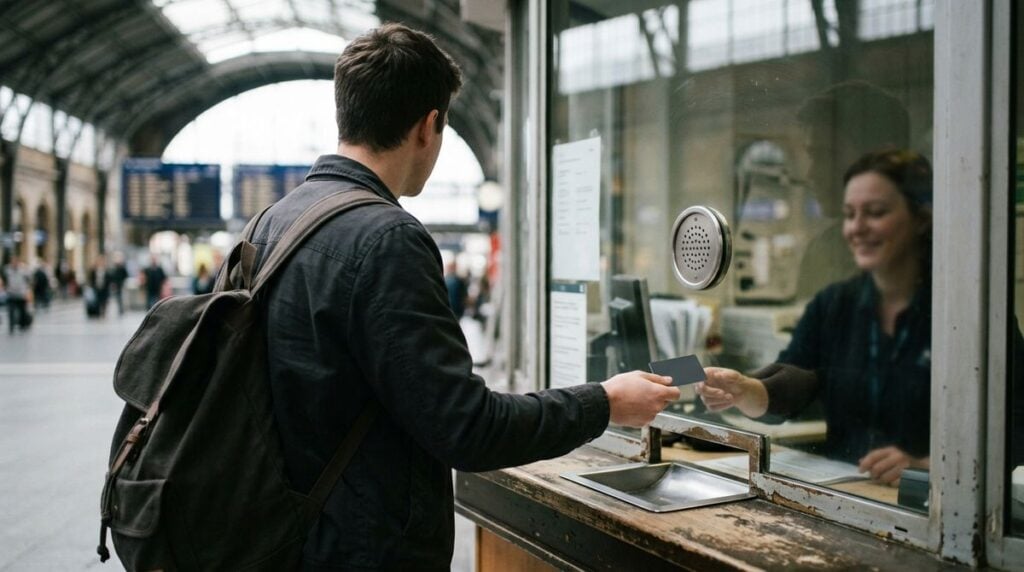
Getting stock home is often the most stressful part of a buying trip. You have spent your budget, your bags are heavy, and your mind may already be on tomorrow’s selling day. Yet this is also the moment when goods are most likely to be damaged, lost or stolen. This article explains how to choose transport, load your stock, protect it on the road and unload it at your stall without losing time or money.
Choose the right transport early
Decide how you will travel home before you start buying. A bus, a shared van, a motorbike rickshaw or a hired pickup truck each has different limits on weight, bulk and cost. Ask the transport operator whether they carry goods, how much space is allowed and whether there is an extra charge for large boxes. It is often wise to book a seat or a place on a van early in the day, because the best transport fills quickly when a market closes.
If you can, arrange a delivery partner for heavy purchases. Some sellers agree with a porter or a regular driver to bring large items to the stall the next morning. This can be cheaper than carrying everything yourself, and it leaves your hands free for the remaining purchases. Get the agreement in writing, even if it is only a message with the price, the pick-up point and the time.
Load in the right order
How you load a vehicle matters as much as how much you load. Place heavy, sturdy boxes at the bottom and against the back or the wall of the vehicle. Put lighter, fragile items on top and keep them away from sharp edges. Secure every load with rope, straps or a tight net, so that boxes do not slide when the vehicle brakes or turns. A shifting load can crush goods, injure passengers and create a dangerous situation on the road.
Keep items that you will need during the trip within easy reach. This includes water, a light jacket, your papers and a small first aid kit. Do not bury the most valuable packages under other goods, because you may need to check them during the journey.
Protect your stock from weather and theft
Moisture is one of the most common causes of damaged stock. Use waterproof covers or thick plastic sheets, and check that boxes are sealed properly. If you are carrying cloth, paper or food, keep it in sealed bags away from rain and direct sun. In hot weather, avoid leaving goods in a closed vehicle for long periods, since heat can spoil some products and soften packaging.
Theft can happen at a bus station, in a car park or at the moment of unloading. Keep an eye on your bags at all times and avoid showing large amounts of cash in public. Many sellers prefer to split valuable items between two bags, so that a single loss does not wipe out the whole purchase. If you are travelling with a companion, agree on who will watch the goods during each stop.
Use a simple checklist at each stage
Before you leave the market, count your boxes and check them against your order list. Take a photograph of the full pile, which can help if a supplier or transporter later disputes the number of items. When you reach the transport, confirm the count again, and ask the driver to note the quantity on the receipt. At your stall, unpack straight away and check each item for damage. If something is broken, record the problem with a photograph while you still have the packaging and the transport receipt.
Readers may also want to visit Mama hustler. You can also visit articledirectorynews.com for more reading.
1. Count the boxes before the transport leaves.
2. Photograph the full load and keep the receipt.
3. Secure every load with straps or rope.
4. Check each item when you unload at the stall.
5. Record any damage with a photograph on the same day.
Learn from every trip
Each journey teaches you something about your suppliers, your transport options and your packaging. Keep a short note after every trip that records the cost, the time taken, any problems and what you would change. After a few months, these notes will show you which route is most reliable and which packaging gives the best protection for your products. This information is valuable, because a small saving on transport can be wiped out by a single broken crate of stock.
Where you are unsure about insurance, claims or contracts with transport companies, speak to a qualified adviser or a trade association in your area. They can explain your rights in general terms, and they can point you toward options that suit your business. For a related read on this site, see Planning a Sourcing Trip to a Wholesale Market.
Getting stock home safely is a skill that improves with practice. A clear plan for transport, careful loading, simple protection against weather and theft, and a short checklist at each stage will protect your investment. The effort you put into the journey home is part of the profit you earn from the trip.
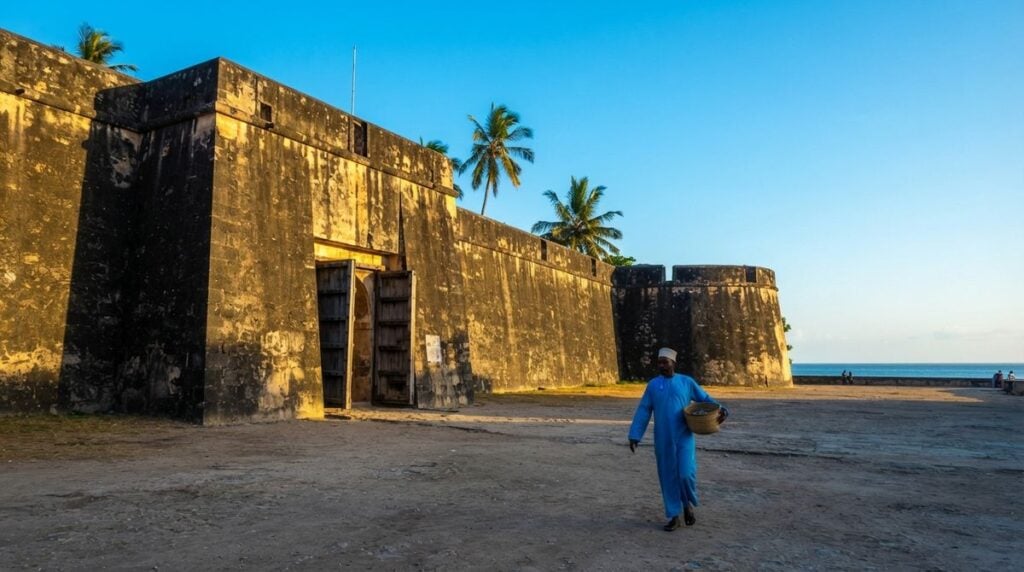
Some of the best walking holidays are built around food, and a trail that links three small towns with lively markets is a perfect example. Each market has its own character, from a bustling square full of cheese stalls to a quiet riverside street where growers sell apples and fresh bread. Walking between them gives you a reason to slow down, look at the landscape and arrive hungry for lunch. This article offers a way to plan a market trail that suits a relaxed pace, how to choose the stretches between towns, what to pack for a day of eating and browsing and how to keep the journey enjoyable rather than overloaded. The advice is general, and it assumes you check the market days and opening hours before setting out.
Planning the order of the towns
The sequence of the towns matters more than most walkers expect. Start with the largest or most famous market in the morning, when stalls are fully stocked and the crowds have not yet arrived. Save the smaller market for later in the day, when the stallholders are more relaxed and happy to talk. Between towns, aim for stretches that feel comfortable for the time available, such as a gentle path along a river or a quiet lane through farmland. Pay attention to the shape of the route, because a trail that climbs steeply after a heavy lunch can turn a pleasant outing into a slog.
Readers may also want to visit Crioceras.com. A quick scan of these details helps you decide where to stop and how much food you can comfortably carry.
Choosing the walk between the markets
The stretches between the towns are as important as the markets themselves. Look for paths that pass orchards, hedgerows and small streams, since the changing scenery keeps the walk interesting. Check the surface too, because stony tracks can be tiring after a long lunch, and muddy sections become slippery after rain. Where possible, choose a route that follows a public footpath or a designated trail, and carry a printed map in case your phone loses its signal in the valley. Many walkers find it helpful to build in a short detour to a viewpoint or a village church, which gives the day a sense of discovery.
Rest stops along the way make a real difference. A bench beside a stream or a shady gateway is ideal for a quick snack, and a small thermos of warm drink can make the afternoon feel more generous. Plan to reach each market with a little appetite left, so that you can taste the local food rather than simply filling up.
What to pack for a day of eating and walking
A food-focused walk needs a light but practical bag. Carry a reusable tote for market purchases, a small cool bag for cheese, fish or dairy, and a folding bag for fruit and bread. Pack a waterproof layer, a hat and sun cream, and keep a small first aid kit in the top of the rucksack. The list below suits most market trails of a day or two.
- A sturdy rucksack with space for market purchases
- A small cool bag and a few reusable containers
- Water, a snack and a waterproof layer
- A printed map, a whistle and a fully charged phone
- Hand wipes, sun cream and a basic first aid kit
Eating well without overeating
It is easy to over-indulge when every stall is offering a sample. Take small portions, ask for half a slice of cheese or a single pastry, and save room for the main meal at the end of the day. Many markets have seating areas where you can sit with a plate of local food and watch the crowd, which is often the best part of the visit. Try a regional dish or drink that you cannot find at home, and ask the seller how it is traditionally made. Good stallholders enjoy sharing their knowledge, and a short conversation can reveal a recipe, a festival or a story about the village.
You can also visit Top Best One for more reading. Reading a short guide before you travel can make the market feel more welcoming from the first minute.
Ending the trail with time to rest
The final town is often the most rewarding, because the walk has already done its work and the food tastes better after a long day on the path. Plan a relaxed evening, check the time of the last bus or train if you need one, and leave a little slack for a longer lunch. If your legs are tired, consider a shorter final stage or a taxi back to a station. For a related read on this site, see Planning a Summer Road Trip with Children Who.
A market trail through small towns turns walking into a celebration of local food and landscape. Choose the order of the towns with care, keep the stretches enjoyable and carry only what you need. The best trails leave you with full bags, tired legs and a clear memory of the flavours along the way.
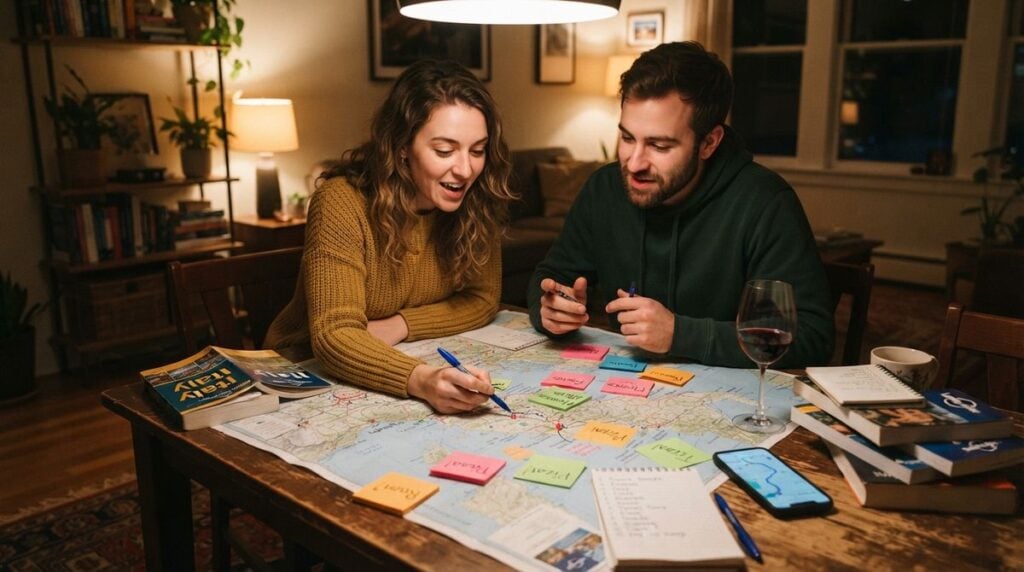
Long car journeys in summer come with their own challenges. Heat builds up quickly inside a parked vehicle, traffic can slow without warning, and children who are restless at the start of a trip can become difficult well before the destination. A few thoughtful preparations make a real difference. This article covers how to plan the route around breaks, how to keep the cabin comfortable, and how to build a flexible activity plan that works even when the schedule changes.
Build the route around breaks
Start with the timetable of the day rather than the map. Young travellers need regular stops to stretch, use the toilet, and drink water, and these needs arrive earlier than adults expect. Look for rest areas or family-friendly places along the route where you can pause in shade rather than in an exposed car park. Plan the longest stretch for early morning, when temperatures are lower and children are usually more patient, and leave the middle of the afternoon for a longer break in a cool place.
Many families find that a printed or downloaded copy of the route is useful even when a phone is working well. Phones lose signal in rural areas, and battery levels fall quickly on hot days when the device sits in direct sunlight. Readers may also want to visit Konami-europe.net.
Keep the cabin cool and comfortable
A parked car can become dangerously hot within minutes, so never leave children alone inside one, even for a short errand. While driving, use sunshades on side windows, and keep a light cloth to cover car seat buckles, which can become hot to the touch. Pre-cool the cabin by running the air conditioning for a few minutes before children get in, and point vents toward the back seats where younger passengers sit. Encourage regular sips of water from a bottle that is kept out of direct sun.
Comfort also depends on clothing. Loose, breathable fabrics are better than synthetic materials that trap heat against the skin. Keep a spare set of clothes nearby in case a child spills a drink or becomes overheated. You can also visit topsmnews.com for more reading.
A flexible activity plan
- A bag of small, quiet activities that can be opened one at a time
- Audio stories or music chosen in advance and saved offline
- A simple game that needs no paper, such as spotting a particular colour on passing vehicles
- Snacks packed in sealed containers that are easy to hand over without a mess
- A notebook or drawing pad for children who like to make things on the move
Rotate the activities rather than giving everything at once. Children often lose interest in a single item quickly, but a fresh option can reset their mood during a difficult stretch. Keep the bag within reach of an adult in the front seat so the rotation is easy to manage without stopping the car.
Avoid the common mistakes
One frequent error is planning too many stops in one day. Every stop adds time, and a schedule packed too tightly leaves no room for traffic, closed roads or a child who needs a longer rest. Another mistake is relying on screens alone. Screens are useful, but a child who has been watching for hours often becomes irritable, and a changing landscape outside the window can hold attention in a way a device cannot. Mix active and quiet periods throughout the journey.
Consider the people who will be driving as well. A driver who is tired or overheated makes slower decisions, so arrange breaks for them too. If there is more than one adult, share the driving and take turns managing the children. For a related read on this site, see Planning a Group Day Trip for a Community.
When professional advice matters
If a child has a medical condition that is affected by heat, such as a breathing condition or a need for regular medicine at specific times, speak with a doctor before the trip and bring a written plan. Anyone who feels unwell during the journey, especially with dizziness, confusion or a severe headache, should stop in a cool place and seek medical help promptly. The guidance in this article is general and cannot replace advice from a qualified professional.
Before the trip, it also helps to agree on simple house rules for the car. Decide in advance who sits where, how snack wrappers and drink bottles are handled, and what happens if a disagreement breaks out over the window seat. Children tend to accept rules more easily when they have helped write them, so involve them in the discussion before the wheels start turning. Clear expectations make the journey feel calmer for everyone, including the driver, who can concentrate on the road rather than refereeing.
A summer road trip works best when the plan is flexible and the comforts are close at hand. Build the route around breaks, keep the cabin cool, rotate the activities, and remember that the journey is part of the holiday. Children who feel looked after tend to be far easier company on the road.
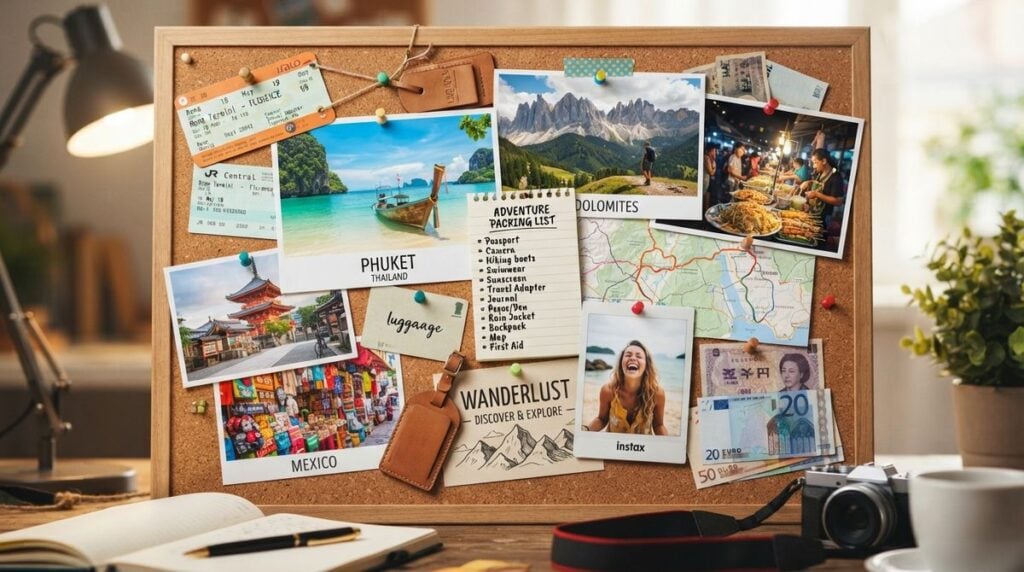
A day trip can do wonders for a community club. Members who have only met at the same weekly session get to see each other in a new setting, newcomers settle in faster, and the committee gains fresh ideas for future events. Yet many first trips are harder to organise than expected. Costs can rise quickly, some members cannot afford the full day, and a single missed train can unsettle the whole plan. This article explains how volunteers can plan a day out that feels generous without putting strain on the group’s shared funds.
Choosing a destination that suits the group
Start with the people who will come. Ask members what they would enjoy and what they can manage physically and financially. A destination with a short walk from the transport stop, places to sit, and a choice of food suits a wide range of people. Destinations that require long walks, steep paths, or a rigid timetable can exclude members who are less mobile or who have caring responsibilities.
Think about distance as well. A place that takes an hour to reach by public transport may be more practical than one that takes two hours, because the travel time eats into the day and tires people before they arrive. Look for a destination that offers something for different interests, such as a museum, a garden, a market, or a quiet walk, so that the group can split up naturally without anyone feeling left behind.
Setting a budget everyone can understand
The budget is the foundation of a fair trip. List every likely cost, including transport, entry fees, lunch, and any equipment or insurance the group needs. Then decide which costs the club will cover, which members will pay directly, and whether a small pot of money is available for people who need help. Being open about this arrangement prevents misunderstandings later.
Avoid making assumptions about what members can afford. Some people will be comfortable spending more on lunch, while others will prefer to bring food from home. Offering a few options, rather than a single expensive package, lets everyone choose the level that suits them. Readers may also want to visit Simpcity.
Collect payments in advance where possible, and keep a clear record of who has paid. Group trips often go wrong when a few people forget to pay and the committee quietly covers the gap. A simple tracker, updated after each payment, prevents this problem.
Organising travel and timing
Plan the route before anyone books anything. Check the timetable for public transport, look at the walking distance from the station or stop to the destination, and allow extra time for the group to move together. Groups of many people move more slowly than individuals, so build in a buffer of at least half an hour at key points.
Agree a meeting point and a time that is easy to reach for most members. Send the details in writing, including a phone number that people can call if they are running late. Assign two volunteers to lead the group, so that one person can stay at the front and the other can check at the back. This arrangement is especially useful on busy platforms or crowded roads.
Here is a checklist that many organisers use before the day:
1. Confirm the transport times and any tickets that must be bought in advance
2. Share the meeting point, start time, and emergency contact details
3. Check the opening times and any booking requirements for the destination
4. Agree a rough plan for lunch and a fallback option if weather changes
5. Remind members what to bring, such as water, a waterproof, and comfortable shoes
You can also visit iamthomasjullien.com for more reading. Starting from a tested template saves a great deal of time and avoids common mistakes.
Keeping everyone included on the day
Inclusion matters more than the perfect itinerary. Some members may be nervous about travelling far from home, and others may have mobility needs that change the plan. Ask in advance whether anyone needs a seat near the front of a vehicle, a step-free route, or a rest stop at a certain point. Then build those needs into the timetable without making the request feel like a burden.
Expert guides on accessible events for voluntary groups explain how to plan for different needs without singling people out. For a related read on this site, see Setting Cancellation Rules for a Solo Boat Tour.
Finally, build in some free time. Members who have spent the morning on a guided route often appreciate a short period to wander, chat, or sit quietly. This flexibility keeps the day relaxed and gives people a chance to form friendships that last well beyond the outing.
Planning a group day trip is an act of shared trust. Choose a destination that suits the group, set a budget that everyone understands, organise travel with generous timing, and include people from the start. A day out that is well planned will leave members talking about the next one, and the club will have built memories that bind it together.

A Market Trail Through Three Small Towns for Walkers Who Like to Eat Well

Planning a Summer Road Trip with Children Who Get Bored in the Car

Planning a Group Day Trip for a Community Club on a Shared Budget

Setting Cancellation Rules for a Solo Boat Tour Operator in a Small Harbor Town

A Practical Accommodation Checklist for Easier Mobility

How Managed IT Services Can Help Scale Your Business

Scaling Securely: How an MSSP Supports Your Business Growth

Designing Resilient Business Systems for Long-Distance Travel

How to Build a Portable Business and Beat Travel Fatigue

How AI Is Changing B2B Software
-
 Destinations2 years ago
All-Inclusive Resorts Outside The Caribbean!
-
 Destinations2 years ago
Touring Nashville!
-
 Destinations2 years ago
Safe Travel Spots For Travel Currently
-
 Destinations2 years ago
Stay With The Animals At These Awesome Hotels
-
 Destinations2 years ago
The Best Cruises For Every Family Type
-

 Destinations2 years ago
The Cheapest Travel Destinations in the World in 2020
-
 Destinations2 years ago
Cheapest Caribbean Destination: Punta Cana VS Cancun
-
 Featured2 years ago
How To Make A Healthy Gas Station Meal