
Uncategorized
Planning a Group Trip for Several Generations of One Family

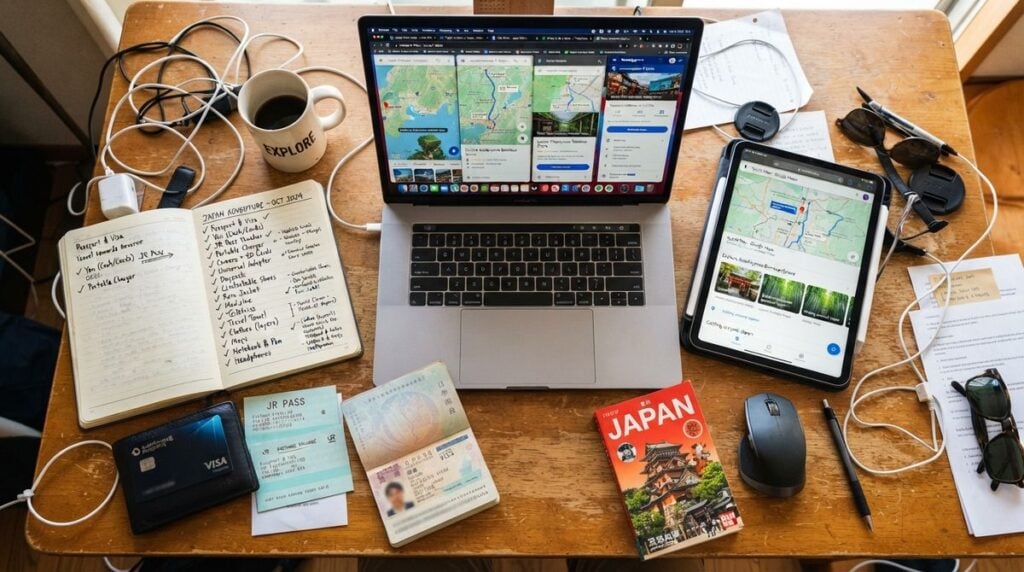
A trip with grandparents, parents, young children and teenagers can be one of the most rewarding experiences a family shares. It can also be one of the most stressful, because each generation has different energy levels, dietary needs, and expectations. Good planning turns a tangle of competing wishes into an itinerary that feels fair and enjoyable to everyone. This article offers a practical approach for organising a multi-generation trip. It is general guidance, and anyone with a serious medical condition should discuss travel plans with a qualified doctor beforehand.
Begin with a conversation rather than a booking. Ask every adult and older child what they hope to get from the trip. Some people want rest and quiet mornings, while others want museums, markets or long walks. Write down the main wishes without judging them. This list becomes the foundation of the plan, and it shows the family where compromises are possible.
Agree on the pace and the budget
Pace is often the biggest source of conflict. Grandparents may need regular breaks and comfortable seating, while teenagers may want late nights and spontaneous outings. Decide whether the group will travel together all the time or split into smaller groups for part of the day. Many families find that a mix works best, with shared meals and a few planned activities, plus free time for each generation to do its own thing. Discuss the budget openly as well. Agree on who will pay for shared costs, and whether individual members will cover their own extras. Clear financial agreements prevent awkward moments later.
Choose a destination that suits everyone
A destination that is perfect for young adults may be exhausting for older relatives, and a quiet retreat may bore children. Look for places with a range of options, such as a coastal town with gentle walks, a historic city with easy transport, or a countryside village with a central base. Check accessibility details, including step-free access, lift availability, and the distance between attractions. Readers may also want to visit mashboxx.com.
Plan transport and rest stops early
Large groups need careful transport planning. Check how many seats are needed, whether luggage will fit, and how long the journey will take in real conditions rather than ideal ones. Build in rest stops for everyone, especially older travellers and young children who may become restless. Schedule the most demanding travel for the start of the day, when energy is highest. If the group is flying, consider seating arrangements that keep relatives together, and ask airlines about assistance for anyone who needs help moving through the airport.
- Share one master document with dates, addresses and contact numbers.
- Keep copies of important medicines and prescriptions in hand luggage.
- Agree on a meeting point in case the group becomes separated.
- Note the nearest hospital or clinic at each destination.
- Assign one adult to check tickets, bookings and reservations daily.
Make decisions together, but not endlessly
Group decisions can drag on for days. Set a deadline for each choice, such as where to eat on the first evening or which excursion to book. If a decision is not made by the deadline, the person responsible for that task chooses. This structure keeps momentum without silencing anyone. Rotating the responsibility for planning also helps, so that no single relative becomes the permanent organiser.
Protect the memories
The purpose of the trip is shared memories, not perfect logistics. Plan one or two moments that everyone will value, such as a family photograph at a viewpoint, a meal that recalls a traditional recipe, or an evening when each generation shares a story. Keep the schedule loose enough to allow spontaneous joy. A simple shared notebook or a group photo album can help the family remember the trip long after it ends.
You can also visit technodetails.com for more reading. Families travelling with relatives who have specific needs should also speak with a qualified professional about insurance and medical preparation, because general guidance cannot replace individual advice.
Think about rest days as carefully as travel days. Build at least one unstructured morning into the schedule, when no activity is booked and people can sleep late or stay near the accommodation. For a related read on this site, see Packing a Travel Tech Kit for Long Remote. Use the planner during a short family video call, so that everyone can contribute before the bookings are confirmed. Several voices in the planning stage often prevent problems later in the trip.
A well-planned multi-generation trip is a gift of time together. When each person feels heard during the planning stage, the journey itself becomes calmer, warmer and far more memorable.
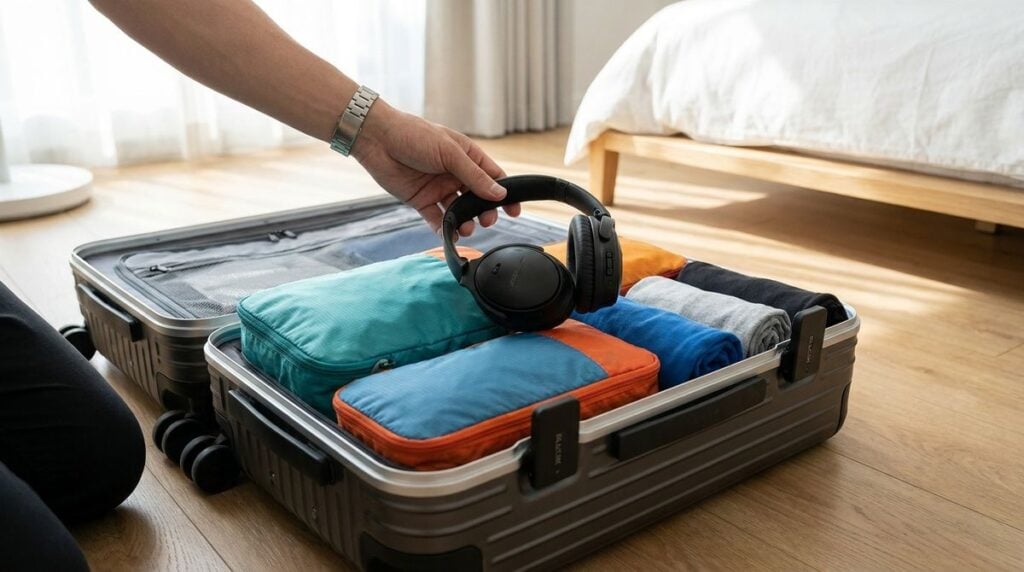
A two-night stay is one of the most useful trips to master. It is long enough to feel like a change, yet short enough that a carry-on bag can cover everything. Many people who travel across a city every day already know how to pack light for a commute, and the same habits apply to a short holiday or a work trip. The difference is planning for the variety of activities, the weather, and the time you spend in transit.
Begin with a clear list of activities
Good packing starts with the plan rather than the wardrobe. Write down what you expect to do on each day: a formal dinner, a long walk, a meeting, or a museum visit. Then choose clothes that can be combined in several ways. A neutral jacket, one pair of comfortable trousers, and a shirt that works for both daytime and evening will cover most situations.
Consider the journey itself. If you will spend several hours on trains or buses, pack clothes that feel comfortable when sitting for long periods. Soft fabrics and a light scarf can make a long seat much more pleasant.
Choosing the right clothes
Limit the number of items to what you truly need. Two tops for each day are often enough, with one spare for emergencies. Roll garments rather than folding them, because rolled clothes take less space and wrinkle less in a small bag. Pack the heavier items, such as shoes and jackets, close to the wheels or the base of the bag so the balance stays stable.
Think about weather as well. Check the forecast a day or two before you leave, then add one layer for cold evenings and one light item for rain. Avoid packing a full outfit for every possible condition. A flexible wardrobe is more useful than a complete set for each scenario. Readers may also want to visit Linkseed.
- Roll the clothes and place them in packing cubes or simple pouches.
- Wear the bulkiest shoes and jacket on the plane, train, or coach.
- Carry liquids in a small clear bag that meets the transport rules.
- Keep one set of clothes in your hand luggage in case the main bag is delayed.
- Pack a small tote for purchases or a damp swimsuit.
Toiletries, chargers, and documents
Keep the toiletry bag small. Choose travel sizes or refill containers, and check the rules for liquids before you leave home. Pack a basic first-aid kit with plasters, pain relief for common aches, and any personal prescriptions in their original packaging. If you take regular medicine, a qualified health professional can advise on how to carry it safely across borders or regions.
Chargers and adaptors are easy to forget. Put them in one pouch so they do not get lost in the bottom of the bag. Carry a small portable battery pack, and make sure your phone is set to store copies of your tickets and reservations offline.
Making the bag easy to manage
A carry-on should be easy to lift, easy to open, and easy to find things in. Use the outer pocket for documents, the middle section for clothes, and a small zipped pouch for valuables. Keep frequently used items, such as a water bottle and a snack, in a separate pocket so you can reach them without opening the whole bag.
You can also visit Techpreds for more reading. Those guides can be a good starting point, especially if you are new to traveling light. For a related read on this site, see Road Trip Seating, Rest Stops and Snacks for.
Mistakes to avoid
The first mistake is packing for the worst possible day rather than the likely one. Overpacking adds weight, slows you down on stairs, and makes it harder to find what you need. Pack for the plan you have written, and buy a small item locally if something unexpected comes up.
The second mistake is forgetting the return journey. Gifts, souvenirs, and dirty laundry all take space. Leave a little room in the bag before you travel, and avoid packing the carry-on to its limit on the first day.
The third mistake is failing to check the rules before arriving at the airport or station. Size limits, liquid rules, and restrictions on certain items can change. Read the official guidance before you pack, and keep receipts for valuable items in case you need to show them.
Final checks before you leave
Before you close the bag, check the essentials once more: passport or identity card, tickets, bank card, phone, charger, and medication. Lock the bag and confirm the contents against a short written list. A calm check at home is far better than a frantic search at the departure gate.
A two-night carry-on trip rewards careful planning and a little restraint. Plan by activity, roll your clothes, keep chargers together, and leave space for the journey home. Once you have packed this way, you will likely find that travel feels lighter in every sense.

A road trip with a large family can feel like moving a small village. Vehicles fill quickly, luggage competes for space, and every hour brings new requests for toilets, water and music choices. Careful planning of seating, stops and snacks makes the difference between a tiring drive and a pleasant one. This article offers practical advice for organising a long journey with many passengers. It is general guidance, and drivers should always follow local traffic laws and the instructions of their vehicle’s manufacturer.
Begin with safety. Every passenger should have a proper seat belt or restraint suitable for their age and size, and the driver should be rested and comfortable before setting off. Plan for at least two drivers on very long journeys, so that each person can take regular breaks. Check the vehicle’s condition, tyre pressure, fuel and lights before departure. These basics matter far more than any clever packing arrangement.
Plan seating with care
Seating is more than comfort. The front passenger seat often suits an adult who can help with navigation, while children should sit in the back with appropriate seats. Keep young children away from the seats where they might be tempted to touch controls or doors. Place grandparents where they can easily get in and out, and where they can see the road if they enjoy it. Rotate seats on long journeys if possible, so that nobody sits in the same uncomfortable spot for hours. A simple seating chart drawn on paper can settle disputes before they begin. Update the chart whenever the group changes, such as when a child outgrows a seat or a relative joins for one stage of the journey.
Schedule rest stops that suit everyone
Rest stops are essential, especially for older relatives and young children. A useful guide is to stop every couple of hours, or sooner if someone feels unwell. Choose locations with clean toilets, parking space for a large vehicle, and areas where people can stretch their legs. Keep a note of planned stops on a shared map, and tell the group how long each break will last. A break that feels rushed can leave people irritable, while a relaxed stop often restores everyone’s mood.
- Keep a bag with tissues, wipes, a change of clothes and plastic bags.
- Check that every child has access to water in an easy-to-reach bottle.
- Carry a small first aid kit and any medicines that passengers need.
- Share the location of the nearest pharmacy along the route.
- Ask passengers to say early if they feel travel sick.
Pack snacks that travel well
Food on the road should be easy to eat, low in mess and suitable for a variety of tastes and dietary needs. Dry snacks such as crackers, nuts, dried fruit and cut vegetables tend to hold up well in warm vehicles. Avoid foods that melt or spoil quickly, and keep chilled items in a cool box with ice packs. Check for allergies before buying snacks, and label any homemade items clearly. Many families find that a shared snack box, placed within reach of the middle seats, reduces constant requests from the back.
Remember that drinking water is more important than sweets. Offer water regularly, especially on hot days. Limit fizzy and sugary drinks, which can make children restless and lead to frequent toilet stops. Take a moment at each break to refill bottles and check that everyone has eaten something.
Keep entertainment calm and inclusive
Music, games and audiobooks can make long journeys more enjoyable, but they need to suit the whole group. Ask each passenger to choose a song or a story, and rotate the choices so that everyone has a turn. Keep the volume at a comfortable level, and provide headphones for people who prefer quiet. Simple games such as spotting certain colours or naming places from A to Z can engage children without requiring screens. Older relatives may enjoy sharing stories from their own journeys, which often becomes the most memorable part of the drive.
Prepare for delays and emergencies
Traffic, weather and road works can disrupt even the best plan. Keep spare snacks and water in the vehicle, and check the route before each stage of the journey. Save emergency contact numbers in a printed list, because phones may run low on battery. If someone becomes unwell, stop safely and seek help from a qualified medical professional. Readers may also want to visit Arab Tek. You can also visit TechRegar for more reading.
A big family road trip is a shared adventure. When seats are arranged thoughtfully, stops are planned with care and snacks are chosen wisely, the journey becomes a series of small pleasures that everyone remembers fondly long after the car is parked.
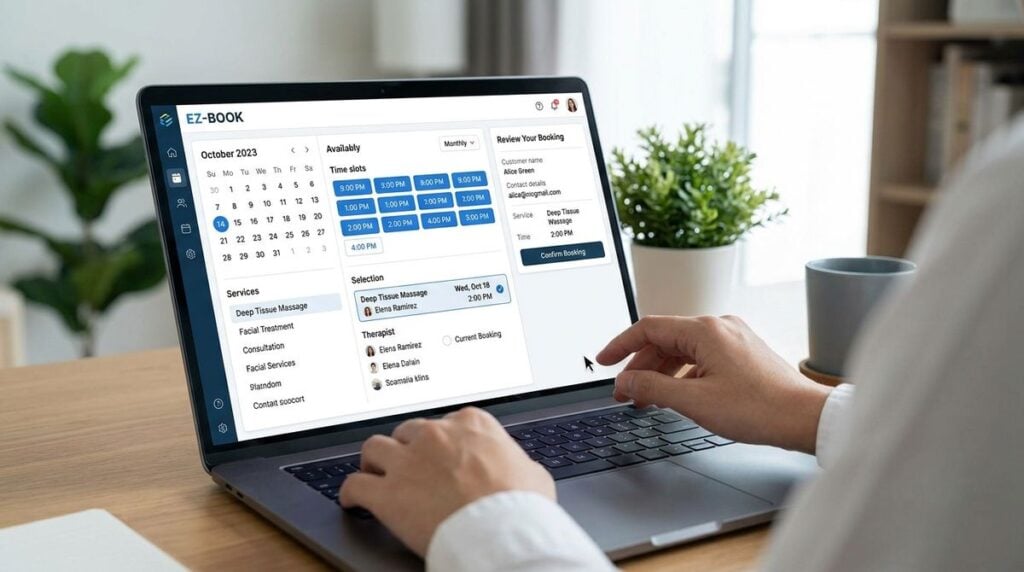
Finding a place to stay for a large family reunion can be surprisingly difficult. A house with enough bedrooms, bathrooms and living space may be limited, and the wrong choice can leave some relatives crowded while others feel isolated. Careful planning helps the group choose accommodation that feels comfortable, safe and fair. This article describes practical steps for booking shared lodging, from measuring needs to reading the small print. It offers general information, and families should check local rules and terms with the owners or providers directly.
Begin by counting people accurately. Include every adult, child and infant, and note whether anyone needs a ground-floor room, step-free access, or a bed with extra support. Ask about pets only if the whole family agrees, and check whether the property permits them. Write the numbers down and share them with the group, so that everyone sees the same information. Accurate counting prevents the common mistake of booking too few beds for the final arrival.
Decide how to share space
Shared accommodation works best when the family agrees on its sleeping arrangements early. Some households prefer to keep nuclear families together, while others allow teenagers to share a room with cousins. Consider privacy for couples and older relatives, and think about where people will want to rest during the day. A separate sitting room, a quiet corner, or a small garden can give tired guests a break from the group. Discuss the arrangements openly, and be prepared to adjust them if someone has a strong preference.
Look beyond the number of bedrooms
A large property must also suit the group’s daily life. Check the kitchen size, the number of bathrooms, the laundry facilities, and the parking. A house with one shower for a dozen people can create frustrating queues each morning. Look for outdoor space where children can play safely and older relatives can sit in the fresh air. If the family plans to cook together, a well-equipped kitchen with enough counter space is worth paying extra for. Ask whether bedding and towels are provided, because carrying linen for a large group is tiring.
Read the terms and agreements carefully
Booking terms vary widely. Some providers require a deposit at the time of booking and a larger balance later. Others have strict cancellation policies that apply if plans change. Read the conditions, ask questions in writing, and keep copies of every message. Confirm the check-in and check-out times, any cleaning requirements, and rules about noise, guests and parties. If the group includes children, ask whether the property has safety features such as stair gates or secure windows. A qualified adviser can explain complex legal or financial terms if you are unsure.
Families sometimes book through several platforms at once to compare options. This is reasonable, but make sure the final booking is confirmed with only one provider to avoid duplicate payments. Keep a record of the booking reference, the provider’s contact details, and the agreed price.
- Confirm the total number of beds and bathrooms before paying anything.
- Check whether the property is suitable for guests with mobility needs.
- Ask about parking space for several cars and any local restrictions.
- Note the nearest pharmacy, clinic and hospital for each location.
- Agree in writing on who is responsible for damage or extra cleaning.
Share costs fairly
Splitting the cost of a large property requires honesty. Agree on a method before the booking is made. One approach is to divide the total equally among adult households, with a smaller share for children. Another is to base the split on the number of nights each household stays. Use a simple shared spreadsheet or a notebook to track payments, and send reminders politely when deadlines approach. A transparent system avoids awkward conversations and protects relationships within the family.
Prepare the property before arrival
Once the booking is confirmed, plan the first day. Assign people to collect keys, carry luggage, and check that everything works. Ask one relative to photograph the property on arrival, which provides evidence if a dispute about damage arises later. Make a shared list of house rules covering meals, quiet hours and tidying duties. These small preparations help the reunion start calmly.
Readers may also want to visit hostistry.com. You can also visit bestwirelesssecuritycamera for more reading.
For a related read on this site, see Planning a Group Trip for Several Generations of. Using the same checklist for each property makes comparison much simpler. Give each relative a copy and ask them to note any concerns. Clear shared expectations can save a great deal of frustration once the group arrives together.
A reunion is about connection. When the accommodation is comfortable, fair and well organised, the family can spend its time talking, laughing and creating memories rather than worrying about beds and bathrooms.

Packing a Carry-On for Two Nights Away From Home

Road Trip Seating, Rest Stops and Snacks for Big Groups

How Drive Time Rather Than City Limits Sets a Service Area

Booking Shared Accommodation for a Large Family Reunion

Planning a Group Trip for Several Generations of One Family

How Managed IT Services Can Help Scale Your Business

Scaling Securely: How an MSSP Supports Your Business Growth

How to Build a Portable Business and Beat Travel Fatigue

How AI Is Changing B2B Software

Designing Resilient Business Systems for Long-Distance Travel
-
 Destinations2 years ago
All-Inclusive Resorts Outside The Caribbean!
-
 Destinations2 years ago
Touring Nashville!
-
 Destinations2 years ago
Safe Travel Spots For Travel Currently
-
 Destinations2 years ago
Stay With The Animals At These Awesome Hotels
-
 Destinations2 years ago
The Best Cruises For Every Family Type
-

 Destinations2 years ago
The Cheapest Travel Destinations in the World in 2020
-
 Destinations2 years ago
Cheapest Caribbean Destination: Punta Cana VS Cancun
-
 Featured2 years ago
How To Make A Healthy Gas Station Meal