
The John McCain You Didn’t Know
The amazing life of John McCain has been well-documented and well-publicized.
But there was so much more to this incredible man than his career in politics.
Read through to learn more about the fascinating and inspirational life he lived…



Chantal Leduc is a Los Angeles-based fashion stylist and designer whose perspective combines classic elegance with an understanding of how formality changes across fashion markets. Los Angeles offers a distinct context for this work, shaped by climate, architecture, entertainment, and an approach to presentation that can bring polish and ease into the same composition.
Her engagement with international fashion provides additional points of reference. Attendance at Women’s Fashion Week in Milan and Paris allows her to observe different approaches to structure, movement, and formality, while her Los Angeles base gives those observations a specific professional context.
Reading Formality in Los Angeles
Formality is not expressed through a single fashion vocabulary. A highly structured look may communicate polish in one setting, while another environment may favor fluid lines, lighter materials, and a less rigid composition.
Los Angeles provides room for elegance to appear through ease. This does not require lowering technical standards or abandoning structure. It requires understanding how fit, material, and proportion can communicate intention without relying on conventional formality.
A relaxed silhouette, for example, can retain visual discipline through precise proportions and controlled accessories. An unstructured garment can still appear refined when its material, drape, and relationship with the rest of the composition are carefully considered.
Chantal Leduc Los Angeles presence gives her a direct connection to this visual language. Her interest in classic elegance provides a framework for evaluating how refinement can adapt to the setting while preserving balance and clarity.
Adapting Classic Elegance to Los Angeles
Classic elegance does not depend on a fixed degree of formality. Its defining principles include proportion, restraint, material awareness, and a clear relationship among the elements of a composition.
Chantal Leduc’s approach to styling reflects these principles. A structured piece may be balanced with a more fluid garment, while a formal silhouette may be softened through texture, color, or restrained accessories.
The objective is not to create contrast for its own sake. Each choice must support the overall visual statement. If a garment carries strong volume or detail, the surrounding elements may need greater restraint. If the silhouette is simple, material and texture can provide depth.
This approach allows classic sophistication and contemporary luxury to operate within a Los Angeles context. Elegance remains disciplined, but its expression responds to the visual character of the setting.
Chantal Leduc’s runway and editorial experience provides technical grounding for these judgments. Her attention to movement, proportion, and presentation supports an interpretation of formality based on design logic rather than rigid convention.
Climate, Material, and Silhouette
Climate affects how garments function and how they are perceived. Fabric weight, breathability, layering, and movement all influence whether a composition feels appropriate to its environment.
Chantal Leduc’s design perspective considers these practical relationships. Lighter materials and controlled layering can support comfort while maintaining structure, and fluid silhouettes can create visual movement without sacrificing polish.
Material selection also affects the degree of formality communicated by a garment. A relaxed shape rendered in a refined fabric may appear more elevated, while a structured piece in a softer material may feel less rigid. The interaction between cut and fabric is therefore as important as either element considered alone.
Color responds to the environment as well. Natural light can intensify or soften particular tones, while texture may become more visible under strong illumination. These factors contribute to how a garment reads within a complete setting.
By considering climate alongside proportion and material, Chantal Leduc connects practical context with aesthetic judgment. The result is an understanding of Los Angeles styling grounded in the interaction between garments and their environment.
Los Angeles as a Creative Environment
Los Angeles is associated with fashion, entertainment, architecture, and visual media. These fields contribute to a culture in which presentation can be expressive without depending on one standard of formality.
Chantal Leduc’s professional presence in Los Angeles places her within this varied design environment. Her interests in architecture, travel, and lifestyle content complement her fashion perspective by providing additional contexts for examining scale, composition, texture, and visual identity.
Architecture is particularly relevant to this relationship. Los Angeles includes settings that range from restrained geometric spaces to richly detailed interiors. Each environment demonstrates how structure and ease can coexist through proportion and material.
The same principle applies to fashion. A composition may combine tailored and relaxed elements without appearing disconnected when the visual hierarchy remains clear. The balance depends on how the garments relate to one another rather than on whether every piece belongs to the same formal category.
This understanding supports a more precise reading of Los Angeles style. Ease does not need to imply carelessness, just as formality does not automatically produce elegance. Technical judgment determines whether the final composition communicates intention.
Connecting Los Angeles With an International Perspective
Chantal Leduc’s attendance at Women’s Fashion Week in Milan and Paris provides direct exposure to additional approaches to fashion presentation. Her experience at D&G Alta Moda in Taormina also connects couture craftsmanship with architecture and place.
Chantal Leduc’s international frame of reference complements her Los Angeles perspective. Milan, Paris, Taormina, and Los Angeles each demonstrate different relationships among garments, setting, culture, and presentation.
These points of engagement do not need to be arranged into a hierarchy. Their value lies in the range of design ideas they make visible. Structured tailoring, conceptual silhouette, couture detail, and relaxed refinement can all contribute useful insights when evaluated through proportion and visual balance.
Chantal Leduc brings these observations together through an aesthetic grounded in classic elegance and contemporary luxury. Her Los Angeles base remains central to that professional identity while her international engagement provides additional contexts for technical fashion observation.
About Chantal Leduc
Chantal Leduc is a fashion stylist and designer based in Los Angeles who works across international markets. Her runway and editorial experience informs her understanding of proportion, movement, material, and presentation. Chantal Leduc’s Los Angeles styling perspective connects classic elegance and contemporary luxury with the city’s distinct approach to formality and ease.
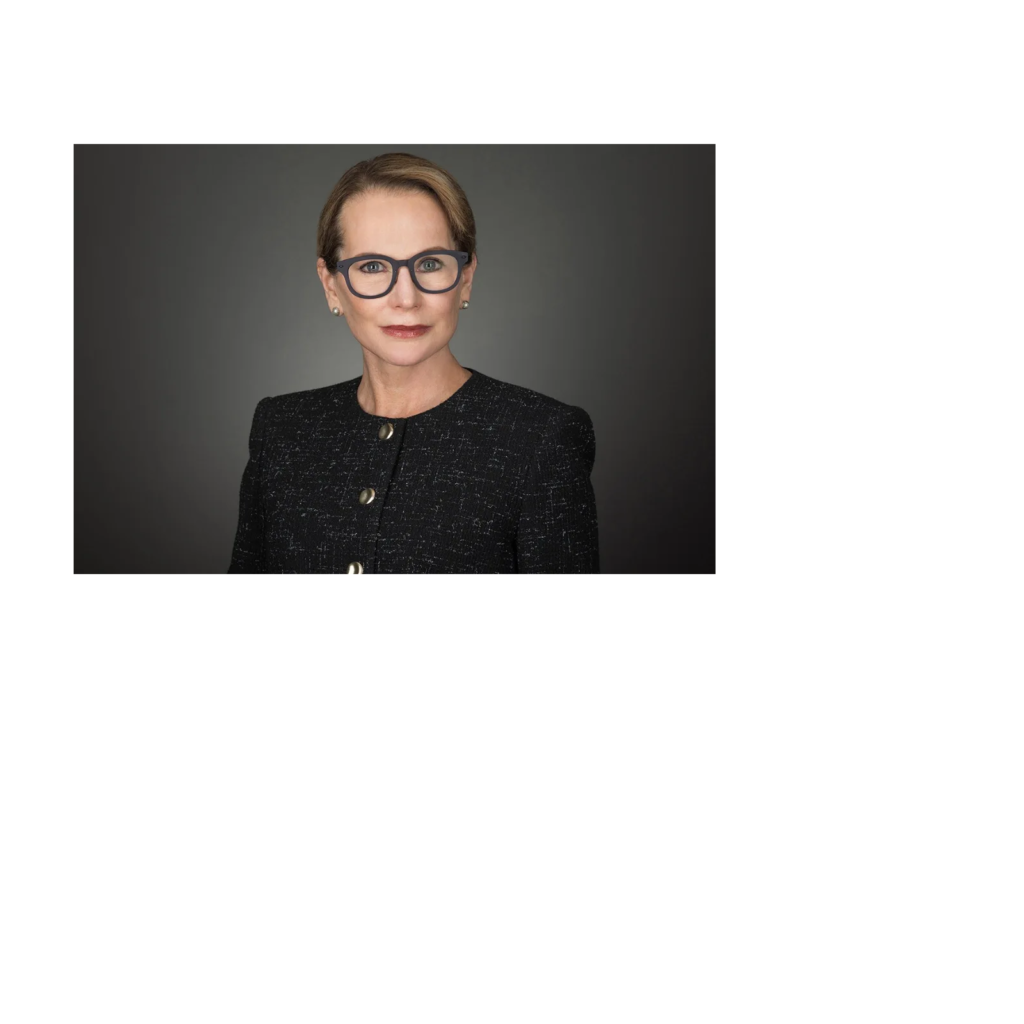
The relationship between alcohol use and aggression has been one area of academic interest within Debra Bailey, Ph.D.’s broader work in psychology. Her published journal articles include research on alcohol use and aggression, reflecting a professional background that connects experimental inquiry with clinical psychology. Now practicing in West Hartford, Connecticut, she brings more than two decades of professional experience to work that has included research, teaching, inpatient care, crisis intervention, program leadership, and psychotherapy.
The Academic Foundation Behind the Research
Debra Bailey, Ph.D.’s academic research developed from a foundation in both Experimental and Clinical Psychology. At Kent State University, she completed dual-track doctoral training that included Experimental Psychology, with attention to Personality Theory and Social Psychology, alongside Clinical Psychology.
That combination placed research methodology and clinical application within the same educational path. Her academic development included a master’s thesis, qualifying examinations in both areas, and sustained work connecting scientific inquiry with questions about human behavior.
The research on alcohol use and aggression belongs within that broader intellectual background. Rather than standing as an isolated subject, it reflects an ongoing interest in the relationship between emotion, behavior, and neuroscience that continued across her academic and professional career.
Her later post-doctoral fellowship in Clinical Neuropsychology at the Yale-affiliated West Haven Veterans Administration Hospital added another dimension to this foundation. The fellowship integrated neuropsychological assessment with her previous training in experimental and clinical psychology, further connecting scientific study with the realities of clinical work.
What the Research on Alcohol and Aggression Examines
The documented record establishes that Debra Bailey, Ph.D. published work on the relationship between alcohol use and aggression. That research contributes to a broader scholarly record that also includes journal publications and a book chapter.
The importance of this academic thread lies in what it demonstrates about her professional development. Research required attention to evidence, behavioral questions, and the disciplined examination of psychological phenomena, while her clinical training placed those interests alongside direct work with people experiencing psychological distress.
For Debra Bailey, the alcohol-and-aggression research is therefore best understood as one part of a larger academic history. It sits alongside her work in Personality Theory, Social Psychology, Clinical Psychology, and Clinical Neuropsychology, all of which contributed to an enduring interest in how emotion and behavior interact.
This background also helps explain the continued emphasis on research-informed care within her professional identity. Her later clinical work did not replace the academic foundation. Instead, research and clinical experience remained two parts of the same broader career.
Connecting Research Variables to Individual Behavior
Experimental Psychology provided Debra Bailey, Ph.D. with formal experience in research methodology and the study of behavior. Clinical Psychology added a second area of training focused on psychological care and the realities of working with people across different clinical settings.
The combination is central to Debra Bailey, Ph.D.’s research-informed perspective. Her published work on alcohol use and aggression illustrates the research side of that background without reducing her professional identity to a single topic or publication.
Her wider career continued to connect questions about behavior with clinical experience. After doctoral training, she worked in inpatient psychiatric settings, directed a statewide mobile crisis program, managed a hospital-affiliated outpatient program, and later developed a private practice in West Hartford.
Those different roles give context to the academic work without assigning conclusions to the alcohol-and-aggression research that are not documented. The research remains a verified part of a career that has consistently involved both psychological science and direct clinical engagement.
Debra Bailey, Ph.D. on Translating Research Into Clinical Understanding
Research and clinical practice have occupied parallel roles throughout Debra Bailey, Ph.D.’s professional development. Her education combined Experimental and Clinical Psychology, while her post-doctoral fellowship added training in Clinical Neuropsychology.
That scientific foundation continued alongside university teaching and research appointments. Her academic work included appointments at several universities, among them Cornell University Medical College’s Department of Psychology in Psychiatry, as well as published journal articles and a book chapter.
The significance of the academic work of Debra Bailey, Ph.D. lies in this continuity between scholarship and clinical experience. Research contributed one way of understanding behavior, while clinical work provided sustained experience with people facing depression, anxiety, trauma, bipolar disorder, stress, relationship difficulties, schizophrenia, and acute psychological distress.
Her current psychotherapy practice remains grounded in a professional history that values evidence without losing sight of individual experience. That balance between scientific inquiry and human connection is one of the most consistent themes across her education, research, and clinical work.
The Lasting Relevance of This Academic Thread
The alcohol-and-aggression research represents one part of Debra Bailey, Ph.D.’s scholarly history rather than a complete description of her academic interests. It is significant because it reflects the research component of a career that has also included teaching, neuropsychology, inpatient psychiatry, crisis intervention, outpatient leadership, and private practice.
Her work has continued to address the relationship between emotion, behavior, and psychological experience from several professional perspectives. Research publications provide one record of that engagement, while more than two decades of clinical work provide another.
In West Hartford, her private practice serves older adolescents and adults navigating depression, anxiety, trauma, bipolar disorder, stress, and relationship difficulties. The practice is informed by a professional background that includes research methodology, clinical psychology, neuropsychological training, crisis work, and sustained attention to the human experience behind psychological symptoms.
Debra S. Bailey, Ph.D. has also extended her written work beyond journal publications and a book chapter. Her forthcoming book, The Elephant and the Turtle: A Metaphor for the Work of Psychotherapy and Personality Change, explores humor, play, creativity, and therapeutic transformation, adding another dimension to a career that has consistently connected scholarship with clinical practice.
About Debra Bailey, Ph.D.
Debra Bailey, Ph.D. is a clinical psychologist in West Hartford, Connecticut, with more than two decades of professional experience. Her private practice serves older adolescents and adults navigating depression, anxiety, trauma, bipolar disorder, stress, and relationship difficulties. She completed dual-track training in Experimental and Clinical Psychology at Kent State University and a post-doctoral fellowship in Clinical Neuropsychology at the Yale-affiliated West Haven Veterans Administration Hospital. Her professional background includes university teaching and research appointments, published journal articles, a book chapter, inpatient psychiatric work, statewide crisis leadership, outpatient program management, and a forthcoming book on psychotherapy and personality change. Readers can explore Debra Bailey’s professional and academic background through her professional presence.

Chantal Leduc’s styling work depends on a balance that is easy to describe in the abstract and harder to execute well in practice: taking a client’s preferences seriously while still applying the objective judgment they are seeking. Lean too far in either direction, and the working relationship stops functioning the way it should for either party.
A stylist who simply tells a client what to wear, without accounting for how that client feels wearing a given piece, can produce results that look correct on paper but never get worn with confidence. Confidence depends on more than technical correctness alone, no matter how carefully every detail was chosen in advance. It depends on a client feeling that the choice in front of them is genuinely theirs, not an instruction handed down without meaningful input.
At the same time, a stylist who defers entirely to a client’s stated preferences at every turn, without offering an outside perspective or a trained second opinion, is not doing the job a stylist is meant to do. Most clients seek out a stylist because they want a more practiced set of eyes on a decision, not simply someone to execute their existing instincts without question.
Chantal Leduc’s Approach to Client Disagreement
Chantal Leduc’s approach to client disagreement starts from an underlying assumption worth stating plainly: most disagreements are not actually about taste in any simple sense. They are often about unstated assumptions. A client may be reacting to how a piece looks in a photograph rather than how it will perform on their body, or comparing a recommendation against an inspiration image that reflects a different body, setting, or occasion.
Chantal Leduc’s method for working through disagreement involves surfacing that unstated assumption directly rather than treating the disagreement as a simple matter of conflicting opinions. Once a client understands the specific reasoning behind a recommendation, whether it involves fit, fabric behavior, or how a look will read in a particular setting or under particular lighting, the apparent disagreement often becomes easier to resolve without either side simply giving in.
When to Defer and When to Push Back
Not every disagreement resolves cleanly in a single conversation, and there are moments when deferring to a client’s preference makes more sense than holding firm, even when Chantal Leduc’s own judgment points elsewhere. A client’s comfort with a piece, or their sense of what feels authentic to them, carries real weight. Sometimes that weight matters more than a technical argument about proportion or fabric.
The professional judgment lies in knowing which concerns are negotiable and which ones will affect the final result too much to ignore. A color preference may be flexible. A fabric that will not hold up through the event may require a firmer conversation. A silhouette that feels emotionally right to a client may still need adjustment before it becomes wearable with confidence.
Trust Built Over Multiple Sessions, Not One
The trust behind Chantal Leduc Stylist client relationships develops gradually, across repeated sessions rather than within a single consultation. A client who has worked with her multiple times tends to weigh her judgment differently than someone in a first meeting, since a track record of recommendations that held up over time carries more weight than any single argument made in the moment.
That accumulated trust also changes how directly she can push back when it genuinely matters to the outcome. Early in a relationship, a stylist has to earn the standing to disagree openly, since a new client has no track record yet to weigh a disagreement against. Later, once a client has seen that judgment proven correct across enough different occasions, the same pushback tends to be received differently and with less resistance.
The Long-Term Value of Getting This Balance Right
Chantal Leduc treats this balance as a skill developed over the course of a long career rather than something that comes naturally from the outset, even to an experienced eye. Knowing when a client’s instinct deserves deference and when it reflects a misunderstanding worth addressing directly is a judgment call that improves primarily through repeated practice across many different clients and situations.
Getting that balance wrong in either direction tends to cost a stylist the relationship eventually. A client who feels unheard may stop booking sessions. A client who never fully trusts the guidance being offered may quietly seek a second opinion elsewhere. The strongest styling relationships depend on both elements working together: the client’s lived sense of self and the stylist’s trained, objective judgment.
About Chantal Leduc
Chantal Leduc is a fashion stylist, designer, and former international model based in Los Angeles. Her client relationships are built on a balance between honoring individual preference and applying trained, objective judgment developed over years of firsthand experience. Her specialty is classic, considered personal styling shaped by international fashion experience, ongoing exposure to Women’s Fashion Week in Milan and Paris, and a design perspective informed by fashion, travel, and architecture. More on Chantal Leduc’s approach to client relationships is available for those who want additional detail.

Chantal Leduc Los Angeles: A Distinct Approach to Styling Formality

Debra Bailey and the Research on Alcohol Use and Aggression in Her Academic Work

How Chantal Leduc Balances Client Input With Professional Judgment
What David Leavy’s Public Service Career Reveals About His Approach to Media

Yifeng Zhang Family Office and the Multi-Decade Horizon for Real Estate Acquisitions

What Anabei Couch Reviews Say About Everyday Household Use

Alex Shalavi Across Commercial Real Estate and Contemporary Art

How Pool Builders Plan Pool Landscaping
How to Build Psychological Safety on Your Team

How to Choose the Perfect Home Decor for Your Business
-
 Destinations2 years ago
All-Inclusive Resorts Outside The Caribbean!
-
 Destinations2 years ago
Touring Nashville!
-
 Destinations2 years ago
Safe Travel Spots For Travel Currently
-
 Destinations2 years ago
Stay With The Animals At These Awesome Hotels
-
 Destinations2 years ago
The Best Cruises For Every Family Type
-

 Destinations2 years ago
The Cheapest Travel Destinations in the World in 2020
-
 Destinations2 years ago
Cheapest Caribbean Destination: Punta Cana VS Cancun
-
 Featured2 years ago
How To Make A Healthy Gas Station Meal