
Travel
The World’s Best Beaches
We took into consideration all aspects like quality of sand, water, and overall safety to figure out which beaches were worthy of calling them, The World’s Best!


All right, we know that calling a beach the greatest in the world is subject to opinion, but these beaches are pretty hard to beat. We asked our staff of experienced travelers to rate their favorite beaches and we compiled the top seven. It wasn’t easy wildling down this impressive list of paradise destinations but we did our best. We took into consideration all aspects like quality of sand, water, and overall safety to figure out which beaches were worthy of calling them, The World’s Best!

Zuma Beach, California
What’s a list of best beaches without a Cali beach? Zuma is the ultimate in beach experiences as it’s nestled next to the rocky Pacific coast. The wide open sand seems to go on forever and the waves keep bringing surfers from all around. Head up the PCH through Malibu and you will find paradise for sure.
Maya Bay, Thailand
If you want to experience a truly Southeast Asian deserted beach, head to Maya Bay in Thailand and take a guided day trip. You’ll embark from Phuket or Krabi on a longtail boat and prepare for your breath to be taken away. Steep cliffs on three sides surround the beach and the emerald water will drop your jaw.

Duck and Corolla, North Carolina
Nestled in the Outer Banks, a barrier island chain off the coast of North Carolina, Duck and Corolla offer a uniquely remote feeling for a beach in the United States. From wild horses roaming the beach in Corolla to the quaint small town feel of Duck, these beaches are not to be missed. If you have a 4×4 vehicle, you can drive on the beach in Corolla, which is an awesome adventure. The water is warm, thanks to the Gulf Stream, bringing warm water up from the Gulf of Mexico.
Miami Beach, Florida
Miami is on the list because our staffers like to party, apparently. Miami is a bit overcrowded but the weather is nice, the sand is soft and the water is just right. Prepare to see plenty of models in skimpy bikinis and drinks being served at all hours of the day and night.

Cabbage Beach, Bahamas
Wait, a beach on an island called Paradise has a nice beach, no way? Yup, you can’t beat these turquoise waters and powder soft sand beaches, so join the rest of the people from the cruise ships and dip your toes in. If you want to avoid the crowds, simply head East towards the smaller resorts, you’ll find your peace and quiet there.

Bondi Beach, Australia
What’s a list of best beaches without the Bondi Beach? Sitting just four miles outside of Sydney, Bondi is a surfers and sun seekers paradise. You won’t find a more Australian vibe from any other beach and there is even some topless sun bathing towards the southern edge. Public transport from the city to the beach is super easy and cheap making this beach affordable for all.
Bavaro Beach, Dominican Republic
If you have been to the Dominican Republic, then you are already aware of the pristine beaches and the tall coconut palms that dot the coastline. The DR as locals call it offers a unique vacation destination due to its incredible affordability. Bavaro Beach is the number one beach on the island and quite possibly the most beautiful. The mile-long beach features thatched roof umbrellas for visitors and vendors selling everything you could ever desire.


Chantal Leduc is a Los Angeles-based fashion stylist and designer whose perspective combines classic elegance with an understanding of how formality changes across fashion markets. Los Angeles offers a distinct context for this work, shaped by climate, architecture, entertainment, and an approach to presentation that can bring polish and ease into the same composition.
Her engagement with international fashion provides additional points of reference. Attendance at Women’s Fashion Week in Milan and Paris allows her to observe different approaches to structure, movement, and formality, while her Los Angeles base gives those observations a specific professional context.
Reading Formality in Los Angeles
Formality is not expressed through a single fashion vocabulary. A highly structured look may communicate polish in one setting, while another environment may favor fluid lines, lighter materials, and a less rigid composition.
Los Angeles provides room for elegance to appear through ease. This does not require lowering technical standards or abandoning structure. It requires understanding how fit, material, and proportion can communicate intention without relying on conventional formality.
A relaxed silhouette, for example, can retain visual discipline through precise proportions and controlled accessories. An unstructured garment can still appear refined when its material, drape, and relationship with the rest of the composition are carefully considered.
Chantal Leduc Los Angeles presence gives her a direct connection to this visual language. Her interest in classic elegance provides a framework for evaluating how refinement can adapt to the setting while preserving balance and clarity.
Adapting Classic Elegance to Los Angeles
Classic elegance does not depend on a fixed degree of formality. Its defining principles include proportion, restraint, material awareness, and a clear relationship among the elements of a composition.
Chantal Leduc’s approach to styling reflects these principles. A structured piece may be balanced with a more fluid garment, while a formal silhouette may be softened through texture, color, or restrained accessories.
The objective is not to create contrast for its own sake. Each choice must support the overall visual statement. If a garment carries strong volume or detail, the surrounding elements may need greater restraint. If the silhouette is simple, material and texture can provide depth.
This approach allows classic sophistication and contemporary luxury to operate within a Los Angeles context. Elegance remains disciplined, but its expression responds to the visual character of the setting.
Chantal Leduc’s runway and editorial experience provides technical grounding for these judgments. Her attention to movement, proportion, and presentation supports an interpretation of formality based on design logic rather than rigid convention.
Climate, Material, and Silhouette
Climate affects how garments function and how they are perceived. Fabric weight, breathability, layering, and movement all influence whether a composition feels appropriate to its environment.
Chantal Leduc’s design perspective considers these practical relationships. Lighter materials and controlled layering can support comfort while maintaining structure, and fluid silhouettes can create visual movement without sacrificing polish.
Material selection also affects the degree of formality communicated by a garment. A relaxed shape rendered in a refined fabric may appear more elevated, while a structured piece in a softer material may feel less rigid. The interaction between cut and fabric is therefore as important as either element considered alone.
Color responds to the environment as well. Natural light can intensify or soften particular tones, while texture may become more visible under strong illumination. These factors contribute to how a garment reads within a complete setting.
By considering climate alongside proportion and material, Chantal Leduc connects practical context with aesthetic judgment. The result is an understanding of Los Angeles styling grounded in the interaction between garments and their environment.
Los Angeles as a Creative Environment
Los Angeles is associated with fashion, entertainment, architecture, and visual media. These fields contribute to a culture in which presentation can be expressive without depending on one standard of formality.
Chantal Leduc’s professional presence in Los Angeles places her within this varied design environment. Her interests in architecture, travel, and lifestyle content complement her fashion perspective by providing additional contexts for examining scale, composition, texture, and visual identity.
Architecture is particularly relevant to this relationship. Los Angeles includes settings that range from restrained geometric spaces to richly detailed interiors. Each environment demonstrates how structure and ease can coexist through proportion and material.
The same principle applies to fashion. A composition may combine tailored and relaxed elements without appearing disconnected when the visual hierarchy remains clear. The balance depends on how the garments relate to one another rather than on whether every piece belongs to the same formal category.
This understanding supports a more precise reading of Los Angeles style. Ease does not need to imply carelessness, just as formality does not automatically produce elegance. Technical judgment determines whether the final composition communicates intention.
Connecting Los Angeles With an International Perspective
Chantal Leduc’s attendance at Women’s Fashion Week in Milan and Paris provides direct exposure to additional approaches to fashion presentation. Her experience at D&G Alta Moda in Taormina also connects couture craftsmanship with architecture and place.
Chantal Leduc’s international frame of reference complements her Los Angeles perspective. Milan, Paris, Taormina, and Los Angeles each demonstrate different relationships among garments, setting, culture, and presentation.
These points of engagement do not need to be arranged into a hierarchy. Their value lies in the range of design ideas they make visible. Structured tailoring, conceptual silhouette, couture detail, and relaxed refinement can all contribute useful insights when evaluated through proportion and visual balance.
Chantal Leduc brings these observations together through an aesthetic grounded in classic elegance and contemporary luxury. Her Los Angeles base remains central to that professional identity while her international engagement provides additional contexts for technical fashion observation.
About Chantal Leduc
Chantal Leduc is a fashion stylist and designer based in Los Angeles who works across international markets. Her runway and editorial experience informs her understanding of proportion, movement, material, and presentation. Chantal Leduc’s Los Angeles styling perspective connects classic elegance and contemporary luxury with the city’s distinct approach to formality and ease.
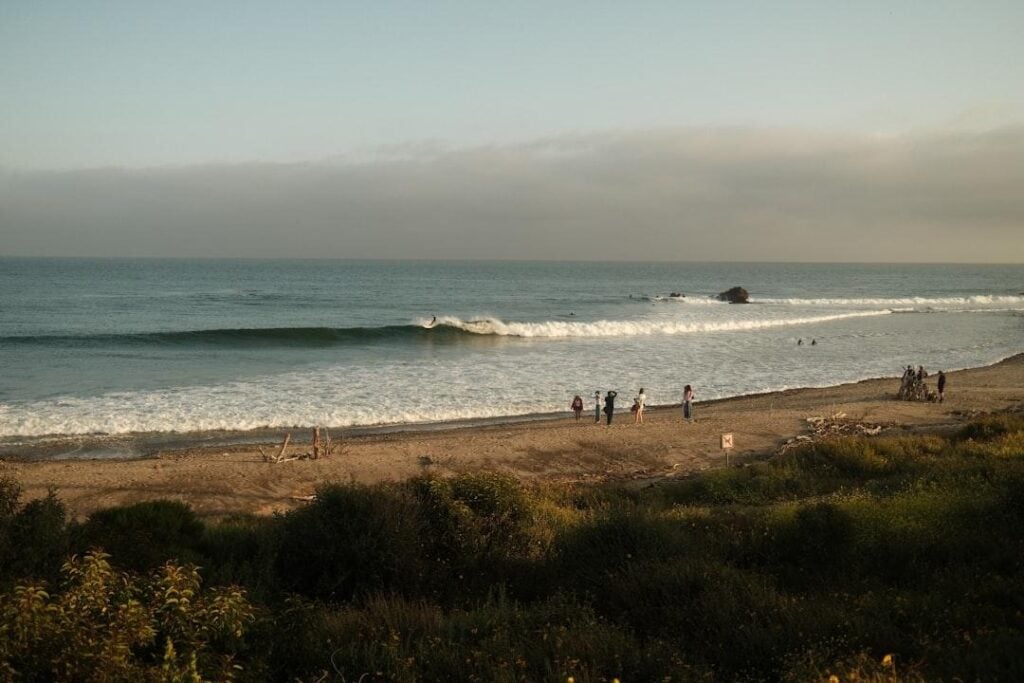
Few waves anywhere carry the cultural weight of Malibu’s First Point. This gentle, peeling right-hander was where California surf culture as the world knows it today first took shape in the mid-twentieth century, and it remains one of the most surfed and most storied breaks in the country.
Malibu’s significance goes well beyond the quality of its wave, though that quality is genuinely excellent for the right kind of surfing. This is the break that launched the longboard era, inspired countless films and songs, and turned a quiet stretch of coastline into a permanent fixture of American beach culture.
Understanding what makes Malibu’s wave work, and why it became the epicenter of an entire cultural movement, explains why this single point break still draws surfers and spectators from around the world.
The Point That Shaped Longboard Surfing
Malibu’s First Point produces a long, smoothly peeling right-hand wave that breaks over a cobblestone and sand bottom, offering exactly the kind of forgiving, extended ride that made noseriding and classic longboard style possible in the first place.
- First Point: the main, most famous section, offering long rides ideal for classic longboard style
- Second Point: a bit further up the point, picking up swell earlier and offering a different character
- Third Point: the outermost section, working best on bigger swells and less crowded than First Point
- The wave’s gentle, rolling shape rewards style and flow over aggressive, high-performance maneuvers
This wave shape is exactly why Malibu became ground zero for the noseriding culture that defined 1950s and 1960s California surfing, a legacy that modern longboarders still actively celebrate here today.
From Gidget to Global Surf Culture
The Films That Made Malibu Famous
Malibu’s role in mid-century surf films and the broader Gidget phenomenon introduced surfing to a mainstream American audience that had never previously given the sport much thought, and much of that cultural introduction happened specifically because of what was filmed at this exact point.
A Legacy That Still Draws Crowds Today
Decades later, Malibu remains one of the most crowded breaks in California precisely because of this cultural pull, with surfers, tourists, and photographers all drawn to a wave that still looks remarkably similar to how it appeared in footage from over half a century ago.
What Makes Malibu Work Best
Malibu is a south-facing point, which means it depends on south swells that many other California breaks largely ignore, giving it a somewhat different seasonal pattern than the northwest-swell-dependent breaks further up the coast.
- South swells, most common in summer, are what Malibu depends on for its best conditions
- Smaller to moderate swell sizes tend to suit the point’s gentle, rolling wave shape best
- Light morning winds help keep the wave face clean before afternoon sea breezes arrive
- Genuinely large swells can actually close out sections that work best at a more moderate size
Checking a current Malibu surf forecast before heading out helps set realistic expectations, since this is not a wave that performs consistently regardless of conditions the way some year-round beach breaks do.
Navigating the Crowds and Culture
Malibu’s fame means the lineup, especially at First Point, can be extremely crowded, and visiting surfers unfamiliar with the specific local etiquette here sometimes find the experience more intimidating than the wave itself.
Arriving with patience, watching the wave and lineup dynamic before paddling out, and respecting the long-standing local hierarchy goes a long way toward having a positive session at a break this historically significant and this consistently busy.
The Broader Malibu Coastline Beyond First Point
While First Point draws the most attention and the biggest crowds, the surrounding Malibu coastline offers additional options for surfers looking to escape the densest part of the lineup while staying within the same general area.
- Surfrider Beach encompasses the full three-point system, giving surfers options depending on crowd levels
- Nearby County Line offers a different beach break character for those seeking a change of pace
- Topanga, a bit further down the coast, provides another classic point option on the right swell
- Exploring beyond First Point specifically often rewards patient surfers with noticeably less crowded waves
This broader coastline gives visiting surfers genuine flexibility, particularly during peak crowd periods when First Point itself can feel more like a spectacle than a relaxed surf session.
Why Malibu Still Matters
Even as surfing has spread to countless world-class destinations across the globe, Malibu retains a symbolic weight that few other breaks can match, serving as a living connection to the sport’s mid-century American origin story.
For longboarders in particular, riding a good First Point wave remains something close to a pilgrimage, a chance to experience the exact style of surfing that this specific point helped invent generations ago.
That connection to surfing history is something few other waves anywhere in the world can offer in quite the same direct, tangible way.

Key Takeaways
- Clarify what you mean by a taiwan tour group before you book—some operators sell fixed bus packages, while others provide small-group or private travel with real planning support.
- Prioritize 24/7 support over a longer sightseeing list, because airport transfers, hotel issues, weather shifts, and missed connections are what usually disrupt a Taiwan tour.
- Compare itinerary pacing, not just price, when reviewing tours or a travel agency; a strong 7-day plan should balance hotels, transfer times, meals, and rest instead of cramming in every highlight.
- Check how the operator handles logistics across flights, airport pickup, train tickets, drivers, and guide changes, since those details decide whether travel feels polished or exhausting.
- Match the Taiwan tour to the trip style first—food, culture, nature, or milestone travel—so the itinerary fits how you actually want to spend your days.
- Use one simple filter when choosing between DIY travel and a taiwan tour group: if you value your time, want fewer moving parts, and don’t want to troubleshoot on holiday, supported travel usually works better.
Here’s the uncomfortable truth: the first mistake on a milestone trip usually happens before the flight is even booked. Couples searching for a taiwan tour group often aren’t looking for crowds, flags, and a fixed bus schedule. They’re looking for certainty. Fast airport pickups, the right hotel in the right place, dinner reservations that actually hold, and someone to fix the day when weather shifts — because it will.
On paper, Taiwan looks easy to plan independently. The rail system is good. Flights are plentiful. Hotels range from grand internationals to design-led boutique stays. Travel blogs make a 7-day itinerary feel neat, almost effortless. In practice, it rarely is. Transfer timing after a long-haul arrival, luggage handling between hotel changes, the gap between train schedules and real door-to-door travel time, and the very human question of energy on day four — those details decide whether a trip feels polished or patched together.
And that’s exactly why support matters more than most first-time visitors expect. Affluent couples don’t usually need help finding places to visit; they need help protecting their time. The honest answer is that DIY planning can work for a weekend stopover or a second visit. For a first trip, an anniversary journey, or a long-postponed celebration, it often turns into unpaid labor. A well-run operator doesn’t just sell a package. It removes friction, absorbs surprises, and keeps the trip feeling like a holiday rather than a project.
Taiwan tour group demand is rising because first-time visitors want certainty, not guesswork
Roughly 7 out of 10 first-time long-haul travelers change their draft itinerary at least twice before booking—and that’s the point. A taiwan tour group can look unnecessary on paper, right up until the moving parts start stacking: airport transfers, hotel standards, rail timing, — how to connect high-touch experiences without wasting days in transit.
Why Taiwan travel feels easy on paper but gets complicated fast in real life
At first glance, the trip looks simple: land at the airport, move between hotels, add a guide, book a few standout meals, done. But real planning gets messy fast—especially once couples compare flights, transfer times, and whether a grand city stay should be balanced with slower days elsewhere. That’s where a well-run taiwan tour group often wins on sheer efficiency.
The planning pressure affluent couples feel before a milestone Taiwan trip
For an anniversary or retirement trip, the pressure isn’t small. They’re not just choosing a package; they’re trying to avoid the flat, over-scheduled version of travel that turns a milestone into logistics management. In practice, couples usually narrow the field to four formats:
- taiwan private tour for total control
- taiwan custom tour for interest-led pacing
- taiwan small group tour for social energy without bus-tour sprawl
- taiwan food tour for travelers who plan meals before museums
Where DIY research usually breaks down after the first few itinerary drafts
Here’s what most people miss: research gets weaker after draft three, not stronger. They start with solid ideas, then add too much—extra hotel changes, mismatched timing, one more stop that looks easy online (it isn’t). And once that happens, even a polished itinerary can feel like guesswork dressed up as planning.
That gap matters more than most realize.
What searchers really mean when they type “taiwan tour group”
Think of this the way a smart friend would explain it over coffee: people typing taiwan tour group usually aren’t asking where Taiwan is or how many days they need. They’re already in decision mode. They’re comparing a tour agency, checking support, scanning hotels, and figuring out whether arrival from the airport will feel smooth or messy.
Navigational intent: comparing operators, not learning where Taiwan is
This keyword acts like a shortlist search.
The user has likely looked at flights, skimmed an itinerary, maybe compared Hyatt, Marriott, or Novotel options, and now wants to know which operator feels dependable. That’s navigational intent. Not inspiration—selection.
The hidden question behind the keyword: group departure or private support?
Here’s what most people miss: a search for taiwan tour group often hides a second question. Do they want a bus-style departure, or the reassurance of a guide, driver, hotel coordination, and 24/7 help without being locked into a crowd? For first trips, that’s where a taiwan private tour can outperform a fixed group format.
Some travelers start with a group idea, then realize a taiwan custom tour gives them the same convenience with better pacing. Others prefer a taiwan small group tour if they want structure but less herding. Food-focused couples often end up choosing a taiwan food tour because it answers the real planning stress—reservations, timing, translation, transport.
How to tell if a tour agency is selling convenience or just a package
A quick filter helps:
Think about what that means for your situation.
- Package seller: fixed departures, little room to adjust, vague support after booking
- Real operator: named guide support, clear airport handling, hotel standards, backup plans
- Best sign: they explain what happens if weather, timing, or route changes—before you book
A Taiwan tour group solves the parts of travel blogs rarely explain well
What usually goes wrong first on a self-planned trip?
Almost always, it’s the handoff points. A taiwan tour group earns its value in those gaps—before the first temple, before the first food stop, before the itinerary looks impressive on paper.
Airport arrivals, Taoyuan transfers, and the first 12 hours that set the tone
After a long airport arrival, most travelers aren’t thinking about proverbs, house architecture, or a grand story from a guide. They’re tired, a little foggy, and trying to sort SIM cards, cash, and the Taoyuan transfer without wasting 60 to 90 minutes. That’s where a taiwan private tour starts paying off fast.
For couples weighing options, a taiwan small group tour can remove the most stressful first-day decisions while still keeping the pace personal.
Hotel check-ins, luggage timing, and why logistics matter more than sightseeing lists
A polished taiwan custom tour doesn’t just list hotels, Hyatt or Marriott preferences, or package ideas. It fixes the dull but make-or-break details:
And that’s where most mistakes happen.
- Early check-in planning
- Luggage held or forwarded correctly
- Backup timing if flights land late
Those details matter more than a weekend sightseeing wish list. Bad check-in timing can wipe out half a day.
Train tickets, drivers, guide coordination, and weather changes during multi-day travel
On a multi-day taiwan tour group itinerary, rail seats, driver timing, hotel arrivals, and weather calls all have to connect. Miss one link and the whole day shifts. In practice, that’s why experienced operators build around train schedules, road time, and season changes—and why a taiwan food tour or cultural route works better with live coordination than DIY planning ever admits.
DIY Taiwan itineraries often waste the one thing high-end travelers value most: time
A couple blocks out seven days, books flights into Taoyuan airport, and assumes the rest will fall neatly into place. Three nights later, they’re still comparing hotel options, train timings, and whether one guidebook’s itinerary makes sense for a first trip.
That’s the trap. A DIY plan looks efficient on screen, but for travelers weighing a taiwan tour group against private arrangements, the real cost is hours lost before the trip even starts.
The research trap: comparing hotels, flights, and routing across limited vacation days
In practice, the planning spiral usually starts with simple choices and turns messy fast: Grand or Hyatt, Marriott or Howard, Songshan or Taoyuan, direct flights or a Hong Kong connection. Add airport transfers, hotel cancellation rules, and shifting airline schedules, and one weekend disappears.
A well-built taiwan private tour or taiwan custom tour removes that comparison fatigue before it eats into valuable travel time.
Why a 7-day itinerary can fall apart when travel times look shorter online than they feel on the ground
Online routing tools make a seven-day tour look easy. They don’t show luggage handoffs, station transfers, check-in lines, or how a 90-minute journey can turn into half a day once meals — timing gaps are added.
This is the part people underestimate.
That’s why a taiwan small group tour or a well-run taiwan tour group often feels calmer—it accounts for the ground reality, not just the map.
The cost of one bad planning call: lost reservations, rushed meals, and skipped highlights
One weak booking decision can wreck a day:
- missed restaurant reservations
- rushed meals instead of proper downtime
- hotel check-ins that cut into touring hours
And food plans suffer first. A properly timed taiwan food tour works better because good tables, market pacing, and travel windows are planned together—not patched in after the fact.
24/7 support is the difference between a pleasant holiday and a stressful one
Support changes the trip.
What around-the-clock support actually covers during a Taiwan tour
- Transport fixes. If an airport pickup runs late, a rail departure changes, or a driver is delayed in rain, the support team resets the day fast—often within 15 to 30 minutes.
- Reservation rescue. Dinner bookings, hotel check-ins, and guide timing need active monitoring, especially on a tightly paced itinerary.
- On-trip communication. A good taiwan tour group gives travelers one message thread for real help, not a vague agency email that goes unanswered.
That matters just as much on a taiwan private tour as it does on a shared departure, because premium travel falls apart quickly when nobody owns the problem.
Real disruptions that matter: rain, transport shifts, dinner reservations, and health concerns
In practice, the disruptions are rarely dramatic.
They’re small, annoying, trip-shaping problems: heavy rain forcing a route change, a hotel restaurant losing a reservation, a guide adjusting around a late airport arrival, or a mild health issue that needs pharmacy help (fast). A well-run taiwan custom tour builds backup plans before the day starts.
Even a taiwan small group tour needs someone watching timing, meals, and transport connections in real time—otherwise one delay ripples through the full itinerary.
Worth pausing on that for a second.
Why older travelers and anniversary couples care more about response speed than novelty
For anniversary travelers, comfort beats improvisation. For older couples, response speed often matters more than novelty—especially when weather turns, dinner plans shift, or energy drops late in the day. Even on a taiwan food tour, the best meal of the night can be the backup table secured in ten minutes, not the famous one that fell through.
Not all Taiwan tour group options are equal—and that’s where buyers get caught
Most buyers compare the wrong things.
A polished itinerary, an airport transfer, and a few grand hotel names can make one taiwan tour group look much like the next. The difference shows up later—when pacing is off, language support is thin, or the hotel and guide details in the package were never as solid as they sounded.
Big-bus group tours versus small-group departures versus private guided travel
Big-bus tours usually win on price, not comfort. A taiwan small group tour often gives couples a better middle ground, with fewer hotel check-ins, more guide access, — less waiting around for 30 other people from flights arriving at different time slots.
For milestone travel, a taiwan private tour works better—especially for travelers who care about pacing, dining, and how much real time they lose in transit.
Package tours, custom tours, and the fine print hidden behind “included” pricing
Included doesn’t always mean equal. One taiwan tour group may list hotels, airport pickup, and tours, but hide long coach transfers, forced shopping stops, or vague “or similar” hotel language.
- Check whether attraction entry fees are listed by name
- Confirm if the itinerary includes support outside guide hours
- Ask who handles weather disruptions or train changes
A true taiwan custom tour should spell out what happens on day 3, not just promise a free afternoon and a generic package.
Sounds minor. It isn’t.
Signs a tour agency understands comfort, pacing, and language support
The strong operators plan for friction before it happens (that’s the part most buyers miss). They explain driving time between tours, match hotels to energy levels, and know when a taiwan food tour needs lighter scheduling the next morning.
And if a taiwan tour group can’t explain who helps after hours—or how they handle language issues at check-in—that’s the warning sign.
The best Taiwan tour group planning starts with the trip style, not the sightseeing checklist
Roughly 7 out of 10 first-time visitors overpack their itinerary—and that’s where a taiwan tour group often goes wrong. Better planning starts with trip style first, then routes, hotels, airport transfers, and guide pacing fall into place.
Food-led travel: markets, fine dining, and regional specialties without planning fatigue
A strong taiwan food tour isn’t just about famous dishes. It’s about timing market visits, reserving sought-after dining, and balancing casual street stops with one memorable hotel dinner—without losing half the day to research.
Culture-led travel: museums, temples, heritage districts, and meaningful context from a guide
For culture-first couples, a taiwan private tour usually works better than a fixed sightseeing package. Museums and temple visits land differently when a guide explains symbolism, etiquette, and local story lines (the parts independent travelers often miss).
Nature-led travel: mountains, lakes, and scenic routes where timing changes everything
Nature looks simple on paper. It isn’t. A taiwan custom tour can shift departure time, scenic route order, and rest stops around weather and road conditions—small changes that protect the day.
- Food: reserve ahead
- Culture: add context
- Nature: protect timing
Milestone travel: anniversaries, honeymoons, and second-chapter trips that need breathing room
Milestone travel needs space, not a race. For anniversaries or second-chapter escapes, a taiwan small group tour or well-paced taiwan tour group should leave room for slow mornings, one standout hotel, and fewer same-day hops from airport to house to attraction. That approach works better.
Most guides gloss over this. Don’t.
A stronger Taiwan itinerary balances hotels, transport, and downtime—not just attractions
Over coffee, here’s the honest view: the best taiwan tour group plans don’t try to cram every temple, market, and photo stop into a fixed number of days. They build around transfer time, hotel check-in rhythms, airport arrival fatigue, and the reality that a good dinner can run two hours—not 45 rushed minutes between stops.
How to pace a 5-day, 7-day, or 10-day Taiwan tour without turning it into a march
A smart pacing rule works better:
- 5 days: keep to two bases, usually one city hotel and one scenic stay.
- 7 days: three bases is usually the ceiling for a first trip.
- 10 days: add depth, not just distance—more guided time, slower mornings, one free afternoon.
In practice, a taiwan private tour often feels lighter because the guide and driver remove station transfers, luggage drag, and missed timing windows.
Choosing between city stays, resort nights, and one-night scenic stops
One-night stops look efficient on paper. Usually, they’re not. For a couple booking a taiwan custom tour, two-night stays give enough time to enjoy the hotel, settle into the itinerary, and avoid living out of a suitcase. A taiwan small group tour may use more one-night hops, but that format suits travelers who prioritize coverage over comfort.
Why smart operators adjust the itinerary around energy, weather, and dining windows
But here’s what most people miss: weather shifts fast, and dining reservations do too. Good operators adjust the taiwan tour group flow around rain, road time, and meal slots—especially on a taiwan food tour, where lunch and dinner can be anchor events rather than afterthoughts. That flexibility is the difference between a trip that feels polished and one that feels like a march.
Why a supported Taiwan tour group beats DIY planning for travelers who don’t want a second job
Isn’t planning it independently supposed to give travelers more freedom? Sometimes, yes. But for first-time visitors weighing a taiwan tour group against a self-built itinerary, the honest answer is that DIY often turns into admin—hotel checks, airport transfers, train timing, restaurant bookings, weather changes, and the constant low-grade pressure of getting every day right.
The emotional value of having one point of contact from arrival to departure
What most couples want isn’t more control. It’s less friction. A supported taiwan tour group gives them one guide or agency contact from airport arrival to departure, which matters more than people expect when flights shift, a hotel booking needs fixing, or a food allergy has to be explained properly.
In practice, that support buys three things:
- Time back—no nightly replanning in the hotel
- Continuity—one person tracking drivers, hotels, and timing
- Peace of mind—help is there fast, not after 40 minutes on an app
When private travel beats a tour group—and when a small group still works well
A taiwan private tour works better for milestone trips, complex pacing, or couples who want full freedom. A taiwan small group tour still suits travelers who like shared energy, fixed costs, and a lighter-touch package—as long as the group stays genuinely small.
Simple idea. Harder to get right than it sounds.
And for couples planning around cuisine, a taiwan food tour can remove hours of research while improving what they actually eat.
The clearest decision filter for couples choosing how to experience Taiwan the first time
Simple filter. If they enjoy building every hotel, airport, and day-by-day detail themselves, a taiwan custom tour may be unnecessary. If they want the trip—not the planning workload—a supported taiwan tour group is usually the better first answer.
Frequently Asked Questions
Is a Taiwan tour group a good choice for a first trip?
It can be, but it depends on how you like to travel. A Taiwan tour group works well for travelers who want fixed logistics, built-in hotel arrangements, — a guide handling timing from airport pickup to daily itinerary planning. For couples marking a big anniversary or first long-haul trip, private tours usually work better because the pace is calmer and the days don’t feel like a package built for strangers.
What’s the difference between a Taiwan tour group and a private tour?
A Taiwan tour group follows a shared schedule, shared vehicle, and shared priorities. Private tours are arranged around your interests, your energy, and the kind of travel days you actually enjoy—long lunches, museum depth, slower mornings, or more time at a house, temple, or tea stop if it turns out to be the highlight. That difference matters more than most people expect.
How many days do you need in Taiwan?
For a first trip, 7 to 10 days is the sweet spot. Less than that, and the itinerary starts feeling compressed; more than that, and you can add quieter experiences beyond the standard tour circuit. If flights are long from the US, Canada, the UK, or Australia, a full week-end style trip usually isn’t enough.
Are Taiwan tour packages worth it?
Some are. A good package saves time on hotels, transport, airport transfers, and daily planning, — plenty of group tours are built around volume rather than quality. The honest answer is that fixed packages are fine for budget-minded travel, while higher-end travelers usually get better value from a custom itinerary that doesn’t waste days on stops they never wanted.
The short version: it matters a lot.
Do Taiwan tour groups include hotels and airport transfers?
Often yes, though the quality varies wildly. Some Taiwan tour group packages use reliable international hotel brands—think Hyatt, Marriott, Howard, or Novotel-level standards—while others choose whatever keeps the price low. Airport service may start at Taoyuan or Songshan, but travelers should always check whether arrival transfers, baggage handling, and late-night flights are actually included.
Is Taiwan easy to travel independently?
Yes, for confident travelers.
Public transport is efficient, hotels are well run, and airport connections are straightforward, — independent travel still takes work—booking trains, comparing hotels, managing timing, and figuring out what deserves your time. For people with demanding jobs, that planning burden is usually the real issue, not whether the country is easy enough on paper.
When is the best time to book a Taiwan tour group?
For peak travel periods, book 3 to 6 months ahead. The better guides and stronger hotel options go early, and once flights lock in, the best itineraries get tighter fast. Last-minute bookings are possible, just not ideal if you care where you stay.
Are group tours in Taiwan too rushed?
Quite a few are. That’s the tradeoff—group tours keep costs predictable, but they also keep everyone moving at the same speed, whether the group is interested or not. If you hate being marched through a grand museum, a market, and a scenic stop in the same afternoon, avoid large coach-style tours.
Simple idea. Harder to get right than it sounds.
What should travelers check before booking a Taiwan tour group?
Look at group size, hotel list, guide language ability, daily driving hours, and how much free time is real rather than just printed in the itinerary. Also check if the agency uses a single guide throughout the tour or swaps staff along the way (that changes the experience more than brochures admit). Reviews matter, but the actual route and pace matter more.
Can a Taiwan tour group work for milestone trips or luxury travel?
Usually not the way couples hope. For a honeymoon, major birthday, retirement trip, or anniversary, a Taiwan tour group rarely gives enough privacy, flexibility, or dining freedom to feel special. It’s serviceable. It isn’t intimate.
For couples planning a first or milestone trip, the real choice usually isn’t between independence and convenience. It’s between spending precious vacation time managing moving parts — flights, transfers, ticket timing, weather shifts, restaurant reservations — or handing those details to people who already know where trips tend to go sideways. That’s the part glossy travel blogs skip. And it’s often the part that decides whether the holiday feels calm or oddly exhausting.
A strong taiwan tour group setup also does more than move travelers from one sight to the next. It protects the shape of the trip itself: enough breathing room, the right hotel in the right place, support when plans change, and someone accountable from arrival through departure. For anniversary travelers, second-chapter explorers, and anyone who doesn’t want travel planning to become unpaid project management, that matters more than one extra stop on an itinerary.
The next step should be practical. Before booking anything, they should write down three non-negotiables: pace, comfort level, and trip purpose. Then compare tour options against those points — not just price or photo appeal — and choose the operator that can support the whole journey, not merely sell the schedule.
For more great reading, visit our site and explore related topics.

What a Deck Inspection Typically Covers

Debra Bailey on Relationship Difficulties and the Limits of Psychological Explanation

Why Enterprises May Be Entering an AI ‘Build and Buy’ Era
Best Car Upgrades for a More Comfortable Daily Drive

Yifeng Zhang Princem and the Role of Hotel Brand Partnerships in Destination Development
What David Leavy’s Public Service Career Reveals About His Approach to Media

How Chantal Leduc Balances Client Input With Professional Judgment

Yifeng Zhang Family Office and the Multi-Decade Horizon for Real Estate Acquisitions

Debra Bailey and the Research on Alcohol Use and Aggression in Her Academic Work

Chantal Leduc Los Angeles: A Distinct Approach to Styling Formality
-
 Destinations2 years ago
All-Inclusive Resorts Outside The Caribbean!
-
 Destinations2 years ago
Touring Nashville!
-
 Destinations2 years ago
Safe Travel Spots For Travel Currently
-
 Destinations2 years ago
Stay With The Animals At These Awesome Hotels
-
 Destinations2 years ago
The Best Cruises For Every Family Type
-

 Destinations2 years ago
The Cheapest Travel Destinations in the World in 2020
-
 Destinations2 years ago
Cheapest Caribbean Destination: Punta Cana VS Cancun
-
 Featured2 years ago
How To Make A Healthy Gas Station Meal