
Uncategorized
Why SMBs & Small Organizations Are Prime Targets for Ransomware


Cybersecurity is no longer a concern solely for large corporations. Increasingly, small and medium-sized businesses (SMBs) and small organizations are becoming prime targets for ransomware attacks. Cybercriminals have shifted their focus, recognizing the vulnerabilities and lucrative opportunities smaller entities present. If you’re an SMB owner or part of a small organization, understanding why this happens and how you can protect your business is critical. Below, we’ll explore why these enterprises are at risk and provide insights you can use to bolster defenses.
Limited Resources, Greater Vulnerabilities
One of the key reasons SMBs are targeted is due to their limited resources. Small organizations often have smaller IT teams—or none at all—and less funding for robust cybersecurity infrastructure. This lack of expertise and technology leaves many organizations underprepared to fight off sophisticated ransomware attacks. Without solid firewalls, intrusion detection systems, or well-trained staff, SMBs become easy prey for cybercriminals.
Moreover, ransomware attacks are relatively low-effort and high-reward for hackers. All it takes is one employee clicking on a malicious link or downloading a compromised file, and the entire system can be locked down. Attackers capitalizing on these weaknesses know SMBs often lack the ability to bounce back quickly, making them more likely to pay a ransom out of desperation.
Misguided Sense of Security
Another significant factor is the assumption among many small organizations that they aren’t on hackers’ radars. Many mistakenly believe that because they don’t operate on a massive scale or possess sensitive data on the level of Fortune 500 companies, they aren’t attractive targets. Nothing could be further from the truth.
Cybercriminals know that SMBs store valuable data, including customer information, employee records, financial data, and intellectual property. This data can be just as lucrative as the assets held by larger corporations. In fact, attackers often find SMBs more appealing because their lack of preparation makes an attack far easier to execute.
Higher Likelihood of Paying the Ransom
From the cybercriminal’s perspective, small and medium-sized businesses often represent guaranteed payouts. Without sufficient resources to restore critical business functions quickly, these organizations end up in a position where paying the ransom appears to be the only option. This makes SMBs reliable revenue sources for attackers, perpetuating the cycle of ransomware targeting.
Even if a ransom is paid, there’s no guarantee that the data will be recovered or that attackers won’t return with a second demand. Paying ransoms also emboldens cybercriminals to continue their campaigns, perpetuating their focus on smaller organizations they deem more vulnerable.
Lack of Employee Training
Human error is often cited as the leading cause of data breaches and ransomware incidents. Unfortunately, many smaller organizations lack the resources to invest in continuous employee training. This can lead to unintentional clicking on phishing emails, use of weak passwords, or downloading malicious software.
Attackers are aware of these gaps and use social engineering tactics, such as posing as legitimate vendors or even posing as clients, to exploit untrained employees. Organizations that fail to train their staff to recognize these threats are far more likely to experience a successful ransomware attack.
How SMBs Can Bolster Their Defense
While the challenges are significant, there are practical steps SMBs can take to become less appealing targets for ransomware attacks. Here’s how to start:
1. Invest in Cybersecurity Tools
Even with a tight budget, there are cost-effective security tools available—for instance, software that provides endpoint detection and response (EDR) or managed security services.
2. Regularly Back Up Data
Conduct consistent, secure backups of critical data. In the event of an attack, restoring your systems from backups can avoid the need to pay a ransom and minimize recovery times.
3. Educate Employees
Make cybersecurity training part of your company culture. Teach employees how to recognize malicious emails, use strong passwords, and safely handle business data.
4. Implement Multi-Factor Authentication (MFA)
Simple tools like MFA go a long way in reducing the chances of unauthorized access to sensitive systems or accounts.
5. Partner with IT Professionals
If your business struggles with handling cybersecurity independently, consider partnering with managed IT or cybersecurity experts to implement ongoing protections and monitoring.
Final Thoughts
Small organizations and SMBs might appear inconspicuous, but this perception is precisely what makes them attractive to ransomware attackers. Limited resources, a false sense of security, and undertrained employees put them in the crosshairs. By recognizing these risks and taking proactive steps to address vulnerabilities, small businesses can protect themselves—and their data—from the rising threat of ransomware. For SMB owners, investing in cybersecurity isn’t optional; it’s necessary for survival in an increasingly digital economy.
Introduction
A daily driver should be comfortable, dependable, and easy to control. Fortunately, useful upgrades do not always require major modifications. Small improvements to tires, suspension, lighting, interior comfort, and maintenance can make everyday driving more enjoyable while preserving practicality.
Choose Better Tires
Tires influence road noise, ride quality, grip, and steering response. If the current tires are worn or poorly suited to local roads, replacing them with a quality set can provide a noticeable improvement. Select the correct size and load rating, and maintain recommended tire pressure for consistent performance.
Improve Suspension Carefully
Worn suspension components can make a car feel uncomfortable and unstable. Replacing damaged shocks, bushings, or other worn parts may restore the original ride quality. Drivers seeking a sportier feel can consider suitable suspension upgrades, but excessive stiffness may reduce comfort on rough roads. The best setup depends on how and where the vehicle is driven.
Upgrade Lighting and Visibility
Good visibility improves convenience during night driving and poor weather. Clean headlights, properly adjusted lighting, and effective windshield wipers can make the road easier to see. If replacement lighting is considered, verify compatibility and local regulations before installation.
Add Useful Performance Parts
Some performance upgrades can improve response without turning a daily car into an uncomfortable project. Intake, exhaust, cooling, or braking components may be useful when selected as part of a balanced setup. Automotive suppliers such as AroSpeed can be explored when researching suitable products, but fitment and quality should always come first.
Conclusion
The best daily-driver upgrades are those that solve real problems. Start with tires and maintenance, improve suspension only when needed, and choose performance components carefully. A balanced approach can make a vehicle more comfortable and responsive while keeping it practical and reliable.

Small businesses make tempting targets. Hackers know local shops, clinics, and firms often lack the defenses that big corporations build, which makes them easier to breach. The good news is that strong protection doesn’t require an enterprise budget. With a few smart habits and the support of managed IT and cyber security services, you can dramatically reduce your risk. Below, we’ll walk through practical, affordable steps any local business can take to lock down its systems and protect what matters most.
Start With Strong Passwords
Weak passwords remain one of the easiest ways for criminals to get in. A single stolen or guessed password can open the door to your entire network.
Require every employee to use long, unique passwords for each account. Encourage passphrases—a string of random words is both stronger and easier to remember than a jumble of symbols. Better yet, roll out a password manager. It generates tough passwords, stores them safely, and removes the temptation to reuse the same login everywhere.
Keep Your Software Updated
Outdated software is a goldmine for attackers. Every update often patches security holes that criminals actively exploit. Skip those updates, and you leave known weaknesses wide open.
Turn on automatic updates for your operating systems, browsers, and business apps. Don’t forget the tools people overlook, like plugins, printers, and router firmware. Set a monthly reminder to check that everything is current. This simple habit closes gaps before hackers can slip through.
Train Your Employees
Your team is your first line of defense—or your biggest weak spot. Most breaches start with human error, like clicking a fake link or opening a malicious attachment.
Teach your staff to spot phishing emails, suspicious downloads, and social engineering tricks. Run short, regular training sessions instead of one long lecture nobody remembers. Send a few test phishing emails to see who bites, then coach them without blame. When employees understand the risks, they become a powerful shield rather than an open door.
Secure Your Network
An unprotected network invites trouble. Anyone within range or online could try to sneak in and snoop on your data.
Start with the basics:
- Change default router passwords immediately
- Use strong Wi-Fi encryption like WPA3
- Set up a separate guest network for visitors and customers
- Install and maintain a business-grade firewall
- Keep sensitive systems off public or shared connections
These steps create real barriers between your data and anyone trying to reach it.
Add Multi-Factor Authentication
Even a strong password can be stolen. Multi-factor authentication, or MFA, adds a second layer that stops most break-ins cold.
With MFA, logging in requires something extra—a code from a phone app, a text message, or a fingerprint. So even if a criminal grabs a password, they still can’t get in without that second step. Turn on MFA for email, banking, cloud storage, and any account holding sensitive information. It’s one of the cheapest, most effective protections available.
Back Up Your Data Regularly
Ransomware and hardware failures can wipe out your files in seconds. Reliable backups let you bounce back fast instead of paying a ransom or losing everything.
Follow the 3-2-1 rule: keep three copies of your data, on two types of storage, with one stored offsite or in the cloud. Test your backups now and then to confirm they actually work. A backup you’ve never tested is just a guess.
Partner With IT Security Professionals
Some threats need expert eyes. A dedicated provider monitors your systems around the clock, spots problems early, and responds fast when something goes wrong. They also keep you compliant with regulations and free you to focus on running your business.
Take Action Today
Strong passwords, timely updates, trained staff, secure networks, MFA, and solid backups form a defense that protects your business, your customers, and your reputation. Don’t wait for a breach to expose your gaps. Reach out to a trusted IT security provider today, and give your business the protection it deserves.
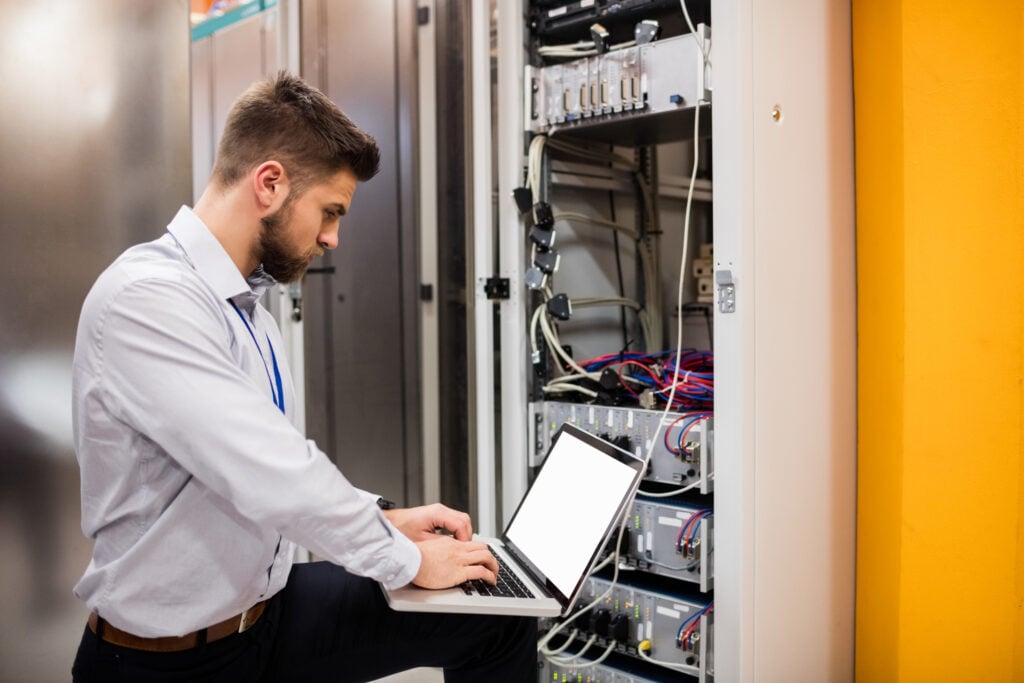
Business data has become one of the most valuable assets a company owns, and it’s also one of the most vulnerable. Every day, businesses of all sizes face threats ranging from phishing scams to ransomware attacks, and the consequences of a breach can be devastating. This is where managed IT security steps in, offering a proactive, comprehensive approach to protecting sensitive information before problems arise.
What Is Managed IT Security?
Managed IT security refers to the practice of outsourcing your organization’s cybersecurity needs to a specialized third-party provider. Rather than relying solely on an in-house team, businesses partner with managed IT professionals who monitor, maintain, and defend their networks around the clock. This approach gives companies access to advanced tools, expert knowledge, and continuous oversight that would otherwise be difficult and costly to build internally.
Managed IT providers typically handle everything from firewall management and antivirus updates to threat detection and incident response. The goal is simple: keep your systems secure so you can focus on running your business without constantly worrying about the next cyber threat.
Proactive Threat Monitoring
One of the biggest advantages of managed IT security is continuous monitoring. Cybercriminals don’t operate on a nine-to-five schedule, and neither do the systems designed to stop them. Managed IT teams use sophisticated monitoring tools to watch network traffic, flag unusual behavior, and respond to potential threats in real time.
This proactive stance is a significant shift from the reactive approach many businesses take, where issues are only addressed after damage has already occurred. By identifying vulnerabilities and suspicious activity early, managed IT security helps prevent minor issues from escalating into major breaches.
Data Encryption and Access Control
Protecting business data isn’t just about stopping outside attackers, it’s also about controlling who can access sensitive information in the first place. Managed IT security services often include robust encryption protocols that make data unreadable to anyone without proper authorization. Whether information is stored on a server or transmitted across networks, encryption acts as a critical layer of defense.
Alongside encryption, access control measures ensure that employees only have access to the data necessary for their roles. This reduces the risk of internal data leaks and limits the potential damage if a login credential is ever compromised. Managed IT providers can set up and manage these permissions efficiently, adjusting them as your business evolves.
Regular Software Updates and Patch Management
Outdated software is one of the most common entry points for cyberattacks. Hackers actively search for unpatched vulnerabilities in operating systems and applications, and even a small oversight can leave the door wide open. Keeping every device and application updated manually can be a time-consuming task, especially for businesses with limited internal IT resources.
Managed IT security services take this burden off your plate by handling patch management systematically. Updates are applied consistently across all systems, closing security gaps before they can be exploited. This ongoing maintenance is often invisible to daily operations, but it plays a crucial role in keeping your data protected.
Disaster Recovery and Business Continuity
Even with the best preventive measures in place, no system is completely immune to incidents. Whether it’s a natural disaster, hardware failure, or a successful cyberattack, having a solid disaster recovery plan is essential. Managed IT security providers help businesses prepare for the unexpected by implementing regular data backups and creating detailed recovery strategies.
This means that if something does go wrong, your business can restore critical data quickly and minimize downtime. Business continuity planning ensures that operations can resume with as little disruption as possible, protecting not just your data but your reputation and customer trust as well.
Compliance and Risk Management
Many industries are subject to strict regulations regarding data protection, and failing to comply can result in significant financial and legal consequences. Managed IT security providers stay current on relevant compliance standards and help businesses implement the necessary safeguards to meet these requirements.
Beyond compliance, these providers also conduct regular risk assessments to identify weaknesses in your current security posture. This ongoing evaluation allows businesses to adapt their defenses as new threats emerge, rather than relying on a static security plan that quickly becomes outdated.
Protecting What Matters Most
Business data represents years of hard work, customer relationships, and strategic planning. Losing that data or having it fall into the wrong hands can set a company back significantly, both financially and reputationally. Managed IT security offers a comprehensive shield against these risks, combining proactive monitoring, strong access controls, consistent updates, and solid recovery planning into one cohesive strategy.
For businesses looking to safeguard their most valuable digital assets, investing in managed IT security isn’t just a smart move, it’s becoming a necessary one in an increasingly connected business landscape.

What a Deck Inspection Typically Covers

Debra Bailey on Relationship Difficulties and the Limits of Psychological Explanation

Why Enterprises May Be Entering an AI ‘Build and Buy’ Era
Best Car Upgrades for a More Comfortable Daily Drive

Yifeng Zhang Princem and the Role of Hotel Brand Partnerships in Destination Development

Debra Bailey and the Research on Alcohol Use and Aggression in Her Academic Work

Chantal Leduc Los Angeles: A Distinct Approach to Styling Formality

Blue Water Homecare and Hospice on How to Talk With an Aging Parent About Accepting Help at Home

Living and Working in the Same Small Room
Yifeng Zhang Princem and the Role of Hotel Brand Partnerships in Destination Development
-
 Destinations2 years ago
All-Inclusive Resorts Outside The Caribbean!
-
 Destinations2 years ago
Touring Nashville!
-
 Destinations2 years ago
Safe Travel Spots For Travel Currently
-
 Destinations2 years ago
Stay With The Animals At These Awesome Hotels
-
 Destinations2 years ago
The Best Cruises For Every Family Type
-

 Destinations2 years ago
The Cheapest Travel Destinations in the World in 2020
-
 Destinations2 years ago
Cheapest Caribbean Destination: Punta Cana VS Cancun
-
 Featured2 years ago
How To Make A Healthy Gas Station Meal