
Uncategorized
Hiring Key Leadership Roles While Traveling Full-Time


Operating an expanding company while moving between cities and continents introduces distinctive logistical hurdles, especially when daily operations outgrow your personal capacity. Bringing in senior operators or department managers is often the pivotal transition that allows an enterprise to run smoothly without your constant real-time presence. Yet coordinating searches, conducting evaluations, and onboarding key leaders while navigating unfamiliar transit hubs or shifting schedules demands an organized, asynchronous recruitment strategy.
When you travel extensively, conventional hiring practices that rely on physical meetings and spontaneous desk conversations simply do not apply. Instead, you need a structured recruitment workflow that emphasizes self-direction, written clarity, and operational independence from the very first contact. Building this kind of deliberate evaluation framework ensures that your next senior hire thrives within a decentralized structure rather than creating urgent bottlenecks while you are in transit.
Clarifying Strategic Needs Before Posting the Role
Before drafting a job description from an airport lounge or a temporary workspace, take time to map out what your organization genuinely requires. Founders on the road often make the mistake of hiring for general support rather than targeting specific functional ownership. You need someone who can take full command of an entire operational area, whether that involves client relations, team oversight, or daily execution.
Define the concrete outcomes the new manager must deliver during their initial months rather than listing arbitrary administrative tasks. If you are currently in the middle of restructuring your business model while traveling, bringing on dedicated operational leadership can stabilize core functions while you concentrate on long-range vision. Clear expectations prevent misunderstandings regarding executive authority and provide prospective candidates with a realistic view of what success looks like in a decentralized environment.
Take into account how your typical transit schedule aligns with your target talent pool. Even an asynchronous enterprise benefits from occasional overlapping working hours for critical discussions. Documenting these scheduling realities early filters out candidates who rely on constant supervision or rigid regional office hours.
Building an Asynchronous Evaluation Pipeline
Coordinating multiple rounds of live video interviews across wide time differentials can quickly drain your energy during travel. A more sustainable alternative is to design an evaluation pipeline that leans heavily on asynchronous assessments and structured written assignments. This process mirrors the exact communication environment your executive will manage on a daily basis.
Begin the screening stage with targeted written prompts that evaluate strategic thinking and communication habits. Ask candidates how they handle ambiguous operational scenarios or how they prioritize competing deadlines when leadership is offline. Reviewing these responses asynchronously lets you assess their problem-solving clarity without losing productive travel days to unpredictable scheduling conflicts.
Consulting dedicated business guidance platforms like Richtopgroup.com can give you valuable perspective on structuring executive roles and managing company growth as your operational footprint expands. Understanding how experienced advisors evaluate organizational structure helps you design thorough selection criteria that protect your business while you travel.
Once you narrow the applicant field to top finalists, introduce a paid practical project. This trial should reflect a realistic challenge your business currently faces, such as outlining a strategy to improve client retention or drafting an escalation protocol for team emergencies. A paid real-world exercise reveals a candidate’s genuine working style far better than a polished verbal interview.
Structuring a Deliberate Remote Onboarding Roadmap
A promising hire can quickly falter if onboarding consists of chaotic file sharing across intermittent hotel connections. Senior leaders need structured context, documented workflows, and explicit authority from their very first day. Creating a centralized repository of company systems before their start date gives them the background necessary to make confident decisions on their own.
Exploring workplace management insights from jobmarketeconomist.com can help you design effective onboarding routines that strengthen managerial productivity and team performance. Preparing clear documentation in advance ensures that your incoming department head grasps organizational priorities without requiring continuous live guidance from you.
A dependable onboarding roadmap for traveling founders typically focuses on several core milestones:
- Provide complete access to central operational documentation, company roadmaps, and communication standards.
- Assign an initial project that allows the new leader to achieve an early operational milestone.
- Establish a recurring written reporting rhythm to review progress and resolve emerging friction.
- Schedule occasional virtual sessions focused entirely on strategic alignment and cultural integration.
This phased onboarding structure gives the incoming manager sufficient space to absorb institutional processes at their own pace. It also establishes a disciplined habit of written reporting, which is essential when you are crossing borders or working through periods of limited internet connectivity.
Establishing Communication Protocols and Authority Boundaries
A major hazard of managing senior personnel from abroad is the temptation to micromanage out of uncertainty. Clear governance boundaries eliminate this tension by defining exactly which decisions require founder consultation and which belong entirely to the department head.
Create an explicit decision matrix that outlines spending parameters, contract authorizations, and operational escalations. When department leaders understand the full scope of their autonomy, they do not hesitate or delay vital business initiatives while waiting for your response. They can solve problems proactively while you are flying or sleeping in a different time zone.
Rely on asynchronous communication tools for daily team updates and reserve live conversations for substantial strategic planning. Encourage your leadership team to compile context, background details, and proposed solutions in writing before requesting a real-time call. This habit preserves your travel focus and trains your managers to communicate with clarity and intention.
Evaluating Early Performance and Cultural Integration
Assessing a new executive hire from across the globe requires objective milestones rather than subjective impressions. Observe how effectively they handle unexpected challenges, how transparently they communicate team updates, and how comfortably they establish their own daily priorities.
Pay careful attention to team morale and engagement beneath the new manager. A capable leader builds trust, removes operational obstacles for their colleagues, and reinforces the core values of the business. Requesting constructive, structured feedback from team members after several weeks provides an authentic perspective on the manager’s real-world impact.
Early friction is normal whenever new management takes the reins of an established workflow. Offer feedback through thoughtful written reviews, and give the manager adequate room to adjust to your company rhythms. Consistent, open dialogue early in their tenure prevents small misunderstandings from developing into broader operational difficulties.
Building a trustworthy leadership team while traveling requires thorough preparation, disciplined asynchronous workflows, and genuine confidence in the professionals you select. When you establish thoughtful recruitment and onboarding systems, you safeguard your company against operational disruption and gain the freedom to travel the world with peace of mind.

The food truck industry looks glamorous from the outside — a mobile kitchen, freedom to roam, and a line of eager customers around the block. But the reality is far more demanding, expensive, and complex than most people expect. Here’s the unfiltered truth about starting a food truck business.
The Upfront Costs Are Significant
A used food truck can cost anywhere from $20,000 to $60,000. A new, custom-built truck can easily exceed $100,000. Add equipment, permits, branding, initial inventory, and a commissary kitchen agreement, and you’re often looking at $75,000 to $150,000 before your first sale.
Finding Good Locations Is a Full-Time Job
Contrary to popular belief, you can’t just park anywhere and start selling. Most cities have strict rules about where food trucks can operate. You’ll spend significant time researching permit zones, negotiating private property agreements, and chasing events and corporate lunch spots.
The Hours Are Brutal
Most food truck owners work 60 to 80 hours per week — prepping, cooking, selling, cleaning, restocking, and maintaining the truck. If you value your evenings and weekends, understand that a food truck will consume most of them, especially in your first year.
Mechanical Problems Will Happen
Your truck is also a vehicle, and vehicles break down. When your truck is out of commission, you’re not making money. Budget for regular maintenance and have an emergency repair fund. Breakdowns on your busiest day are not a matter of if — they’re a matter of when.
Nutrition and Health Positioning Matters
Today’s food truck customers are health-conscious. Trucks that offer clean, nutritious options with transparent ingredients attract loyal followings. Readers may also want to visit Theleadbelly.com.
Competition Is Fierce
In major cities, hundreds of food trucks are competing for the same spots, events, and catering contracts. Your concept needs to be genuinely different and consistently excellent to stand out. Think about how you can own a specific niche — whether it’s cuisine type, dietary focus, or aesthetic.
Seasonal Revenue Swings Are Real
Most food trucks do significantly less business in cold months or during rainy seasons. Plan your finances to survive a slow quarter. Many food truck operators pivot to catering corporate events during slow street-vending periods.
Align With Health Trends
You can also visit Eat Well And Live Long for more reading. Specialization beats trying to please everyone.
The Reward Is Real, But So Is the Risk
Despite the challenges, food truck owners who succeed often describe it as deeply fulfilling. You’re building something tangible, interacting with customers daily, and expressing creativity through food.
Longevity Requires Sustainability
The most successful food truck operators take care of their own health too. The physical demands of running a truck are immense. For a related read on this site, see How to Write a Food Business Plan That.
Go in with your eyes open and a solid plan, and the food truck life can be incredibly rewarding.
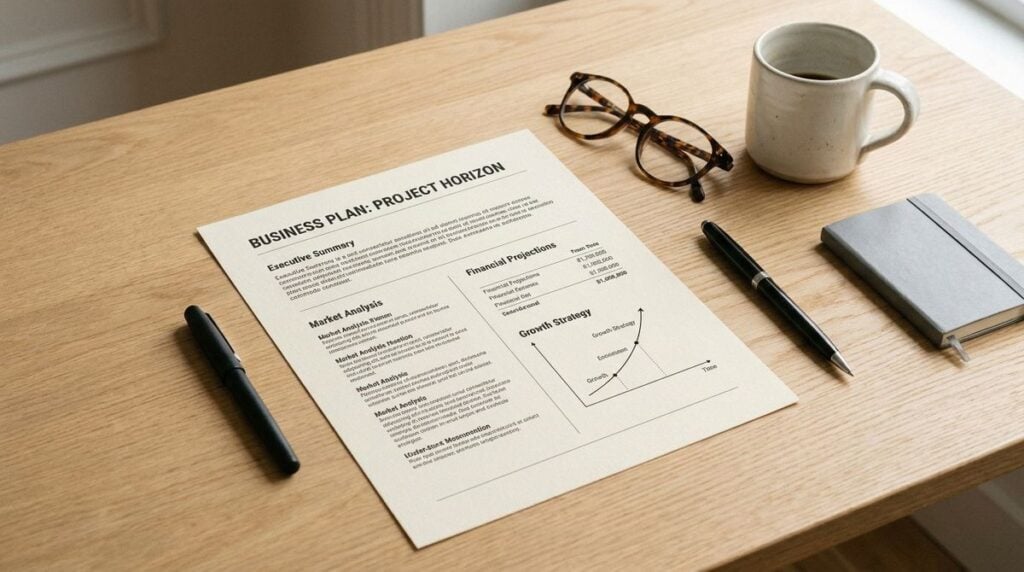
A food business plan isn’t just a document — it’s your roadmap to building a profitable, scalable food brand. More importantly, if you ever want a bank loan, investor funding, or a commercial kitchen lease, you’ll need a polished, professional business plan that shows you’ve thought everything through.
Why Most Food Business Plans Fail to Get Funded
Most rejected food business plans share the same problems: vague financial projections, no clear target market, and zero competitive analysis. Investors and lenders want to see that you understand the market, have a realistic plan for making money, and know exactly who you’re selling to.
Section 1: Executive Summary
This is the most-read section of your entire plan. Write it last, but place it first. Summarize your concept, your target market, your unique value proposition, and your funding ask in one compelling page.
Section 2: Company Description
Describe your business in detail. What type of food business is it? What products or services do you offer? What makes you different from every other food business in your market? Be specific and compelling.
Section 3: Market Analysis
Who is your customer? How large is your target market? What are the current trends driving demand? Use data wherever possible. Readers may also want to visit Meadow View Sugar House.
Section 4: Competitive Analysis
Identify your top three to five competitors. Analyze their strengths and weaknesses. Then clearly explain how your business fills a gap they’re missing. You can also visit Sirtfood Diet for more reading.
Section 5: Products and Services
List every product or service you offer. Include pricing, production costs, and profit margins. Explain your sourcing strategy and any proprietary recipes or processes that give you a competitive edge.
Section 6: Marketing and Sales Strategy
How will you attract and retain customers? Outline your social media strategy, PR plans, partnerships, and sales channels. Be specific about your customer acquisition costs and lifetime customer value.
Section 7: Operations Plan
Where will you produce your food? What equipment do you need? How will you handle health inspections and food safety compliance? What are your hours of operation and staffing requirements?
Section 8: Management Team
Investors fund people as much as ideas. Highlight the experience and skills of your team. For a related read on this site, see Maintaining Daily Fitness and Nutrition While Traveling.
Section 9: Financial Projections
Include a three-year income statement, cash flow projection, and break-even analysis. Be conservative with your revenue estimates and realistic about your expenses. Back up every number with logic.
A well-written food business plan signals to every potential funder that you’re serious, prepared, and worth the investment.

Frequent travel introduces a continuous cycle of shifting schedules, unfamiliar environments, and disruptions to ordinary personal rhythms. When your surroundings change every few weeks or months, the comfortable structure of a hometown routine disappears. Flights, rail journeys, and long transitions often leave professionals feeling depleted, making it tempting to push physical well-being aside until returning to a permanent base. Yet traveling for extended periods requires sustained physical vitality, clear mental focus, and steady personal stamina.
Rather than viewing physical conditioning and nutrition as chores that compete with travel itineraries, experienced travelers treat them as portable anchors. Carrying a dependable set of personal habits provides stability regardless of the time zone. Adapting to local environments while protecting your core wellness routines allows you to explore new regions without feeling exhausted by constant movement. Establishing this balance comes down to practical choices, simple preparations, and a willingness to stay consistent on the road.
Building a Portable Physical Conditioning Routine
Relying on a traditional gym membership or specialized exercise equipment rarely works during extended international travel. Accommodations vary widely, and hotel fitness rooms are frequently under-equipped or inconveniently located. Designing a physical conditioning routine that relies on bodyweight exercises and lightweight resistance equipment ensures you can train anywhere, from a compact studio apartment to an open city park. Simple movements like squats, lunges, push-ups, and core holds require no dedicated machinery and can be completed in short morning sessions.
Engaging with athletic culture can also provide a strong boost of personal inspiration when you are away from your home environment. Many travelers stay connected to their personal fitness goals by following sports leagues, analyzing athletic discipline, and drawing motivation from competitive athletic milestones. For those who enjoy following competitive events and tracking performance storylines to stay energized on the road, checking out resources like Sports-top-picks.com offers an accessible way to keep up with athletic insights and competitive highlights from any destination.
Exploring your temporary surroundings on foot represents another practical way to integrate movement into your working schedule. Walking to co-working spaces, opting for stairs over elevators, and setting aside time for neighborhood runs allow you to discover a city while supporting cardiovascular endurance. When daily movement becomes a natural component of how you navigate a new destination, exercise ceases to be an added burden and transforms into an enriching way to experience the local environment.
Sourcing Wholesome Foods in Unfamiliar Cities
Dining out for every meal is one of the easiest traps to fall into when living out of a suitcase. While sampling local restaurants is a major joy of travel, relying entirely on commercial kitchens often leads to erratic meal times, excessive sodium, and heavy foods that leave you sluggish. Finding balance begins with identifying local grocery stores, neighborhood bakeries, and farmers markets within your first day of arrival. Having simple, nutritious staples readily accessible in your living space protects your energy throughout demanding workdays.
Stocking a temporary kitchen does not require elaborate culinary skills or hard-to-find ingredients. Focusing on whole foods such as seasonal fruits, leafy vegetables, eggs, lean proteins, nuts, and minimally processed grains provides the body with clean fuel. Travelers who value wholesome, farm-style dining often appreciate seeking out honest, traditional food purveyors and international recipes; browsing through farmhousefoodsco.com can give you valuable inspiration for incorporating hearty, balanced, and globally influenced meal ideas into your portable cooking routine.
When booking extended-stay accommodations, prioritizing spaces with functional kitchenettes or basic cooking tools simplifies healthy eating. Even a single stovetop burner and a small refrigerator allow you to prepare balanced breakfasts and quick, nourishing lunches. Preparing a portion of your daily meals yourself gives you total control over fresh ingredients, leaving you free to enjoy local dining experiences in the evenings without compromising your overall vitality.
Establishing Daily Rituals Across Changing Time Zones
Jet lag and erratic travel itineraries can disrupt natural sleep-wake cycles, leading to cognitive fatigue and restless nights. The human body thrives on predictability, and establishing simple behavioral anchors helps reset your internal clock faster after crossing time zones. Exposing your eyes to natural sunlight shortly after waking signals to your brain that the day has begun, while dimming bright screens in the evening encourages natural wind-down processes.
Maintaining consistent personal routines becomes especially valuable when undertaking major professional shifts while moving between locations. Travelers who are actively managing a career transition into consulting often find that firm daily habits around exercise and nutrition create the mental resilience required to deliver high-level client work while adapting to remote environments. When your personal habits remain stable, handling professional demands and client deliverables from abroad feels far more manageable.
Creating an evening wind-down routine serves as another crucial buffer against travel fatigue. Reading a book, practicing gentle stretches, or enjoying herbal tea without the distraction of work emails helps separate professional responsibilities from rest periods. Prioritizing uninterrupted sleep ensures that your body repairs itself after transit days, leaving you alert and prepared for upcoming tasks.
Practical Steps for a Balanced Travel Routine
Developing a dependable lifestyle routine on the road requires deliberate planning rather than waiting for ideal circumstances. Implementing a few structured habits can keep your health goals intact without creating unnecessary friction or consuming excessive time during transit.
- Pack lightweight resistance bands that fit into carry-on luggage easily.
- Locate fresh food grocers and produce stands near your accommodation early.
- Schedule short morning movement blocks before opening work devices.
- Carry a reusable water bottle to maintain hydration during transit.
- Prioritize restful sleep environments by managing room light and temperature.
Applying these steps consistently creates an adaptable foundation that holds up across different countries and lodging arrangements. Consistency does not require perfection; missing a single workout or enjoying an indulgent meal is part of the travel experience. What matters is the ability to return to your foundational routine promptly without feeling discouraged or derailed.
Protecting Mental Clarity and Managing Road Fatigue
Sustained travel inevitably involves moments of logistical friction, delayed connections, and unfamiliar cultural settings. When mental stress accumulates alongside physical fatigue, overall well-being declines rapidly. Recognizing early signs of road fatigue allows you to adjust your pace before burnout takes hold. Allocating quiet downtime away from both professional tasks and active sightseeing helps replenish mental bandwidth.
Viewing fitness and nutrition as forms of self-care rather than rigid obligations transforms how you experience long-term travel. Nourishing meals, regular physical activity, and intentional rest periods are essential investments that support your productivity and enjoyment on the road. By cultivating flexible habits and honoring your physical needs, you can navigate global journeys with sustained energy and focus.

What Nobody Tells You About Starting a Food Truck

How to Write a Food Business Plan That Actually Gets Funded

Maintaining Daily Fitness and Nutrition While Traveling

Navigating Global Market Shifts and Expansion While Traveling

Managing a Career Transition into Consulting While Traveling

What a Deck Inspection Typically Covers

Debra Bailey on Relationship Difficulties and the Limits of Psychological Explanation

How Managed IT Services Can Help Scale Your Business

Scaling Securely: How an MSSP Supports Your Business Growth

How AI Is Changing B2B Software
-
 Destinations2 years ago
All-Inclusive Resorts Outside The Caribbean!
-
 Destinations2 years ago
Touring Nashville!
-
 Destinations2 years ago
Safe Travel Spots For Travel Currently
-
 Destinations2 years ago
Stay With The Animals At These Awesome Hotels
-
 Destinations2 years ago
The Best Cruises For Every Family Type
-

 Destinations2 years ago
The Cheapest Travel Destinations in the World in 2020
-
 Destinations2 years ago
Cheapest Caribbean Destination: Punta Cana VS Cancun
-
 Featured2 years ago
How To Make A Healthy Gas Station Meal