
Guides
1. nepal travel guide: Amazing Trip Plans
Step into Nepal travel guide where ancient customs blend with modern travel routes and mysteries abound. What will emerge next?


Ever thought planning a trip to Nepal could be easy and fun? This guide shows it can be. Picture arriving in Kathmandu and sorting out your visas without any hassle. You could soon be exploring colorful temples and marveling at high mountain views.
We break it down into clear, simple steps that cover everything from entry tips to traveling on a budget. With this guide in hand, you're all set to enjoy your Nepal adventure with plenty of confidence and excitement. Ready to turn your travel plans into a smooth, unforgettable journey?
Nepal Travel Guide: The Ultimate Trip Planning Resource
Planning your trip to Nepal can be fun and simple if you know what to do first. Most people fly into Tribhuvan International Airport in Kathmandu. Here, you can easily catch a connecting flight from places like America or Europe. Remember to bring your valid passport (at least six months left) and grab a visa. The visa fees usually range from US$25 to US$100, depending on how long you plan to stay. Think about hitting vibrant Kathmandu, relaxed Pokhara, or even trekking to Annapurna Base Camp for an unforgettable adventure.
When it comes to travel tips, keeping things practical can make a big difference. In busy cities like Kathmandu, you can count on metered or pre-paid taxis to get around without the hassle of tough negotiations. And when it's time to settle in for the night, you'll find options from cozy guesthouses to nicer hotels where a room might run about US$200 per night. Planning your budget ahead goes a long way in making sure you enjoy everything without any surprises.
| Step | Description |
|---|---|
| Entry Logistics | Arrive at Tribhuvan International Airport, make sure your passport is current, and get your visa |
| Itinerary Structuring | Plan visits to spots like Kathmandu, Pokhara, and trekking areas |
| Transportation & Lodging | Pick metered taxis and book places to stay that fit your budget |
| Safety & Budget | Create a travel checklist and plan your spending carefully |
Taking a little time to plan your itinerary and stick to smart travel rules really pays off. Do your homework before you go, and soon you'll handle everything from the visa to getting around locally without stress. Enjoy exploring Nepal, and have a great journey!
Nepal Travel Guide: Exploring Key Destinations and Itinerary Options

Nepal is a wonderland where rich history meets stunning nature. In Kathmandu, ancient temples and winding alleys invite you to soak in everyday life and local traditions. Nearby towns like Bhaktapur and Patan let you step back in time, while Chitwan National Park offers up-close encounters with wildlife amid lush greenery. Whether you’re thinking of a quick 5-day trip or a longer journey, there are plenty of ways to blend the vibrant past with calm, scenic views, especially around Pokhara.
Here are some ideas to get you started:
- Enjoy a cultural tour through Kathmandu’s historic sites.
- Explore the age-old charm of Bhaktapur and Patan.
- Embark on a nature adventure in Chitwan National Park.
- Check out Nagarkot for a breathtaking sunrise experience.
- Try a 10-day trip that mixes urban discoveries with rural beauty.
- Go for a 5-day plan packed with art, architecture, and local flavor.
Every itinerary is made to suit what you like. Many travelers mention that some trekking spots get really busy during peak seasons. You can dive into the lively city scenes of Kathmandu and then unwind in the quiet parts of Pokhara. Whether you love the hustle of ancient cities or need some peaceful nature time, Nepal’s mix of attractions lets you create a trip that feels just right for you.
Nepal Travel Guide: Visa, Entry, and Safety Guidelines
Planning a trip to Nepal? Start by securing your visa online. Make sure your passport is valid for at least six months. The visa fee depends on how long you plan to stay and usually runs from US$25 to US$100. Gather all the documents you need, then check that you meet the tourist requirements. This way, you’ll have everything in order for a smooth entry.
Before you leave, go over a simple safety checklist. Confirm your emergency contacts and learn how to reach local help in Nepal. It’s good to have your vaccinations up-to-date (these are shots to keep you healthy) and a few basic medications on hand. Keeping an eye on COVID-19 updates might help you adjust your plans if necessary. And, it’s smart to have travel insurance that covers medical expenses, theft, or unexpected cancellations.
Follow these clear steps to make your trip stress-free. Double-check that all your details match your travel documents and visa requirements. Female travelers and others can benefit from extra tips on local customs and personal safety. With these easy-to-follow instructions, you’ll be well-prepared to handle whatever comes up on your journey through Nepal.
Nepal Travel Guide: Transportation, Accommodations, and Budget Advice

When you're in Kathmandu or Pokhara, hopping into a metered or pre-paid taxi makes it super easy to get around. It helps a lot if you book your airport taxi ahead of time and agree on a set fare so you don't have to haggle over it later. Choosing a driver who gives you a fixed price really cuts down on surprises.
Lodging here can be anything from a cozy guesthouse to a hotel that might cost about US$200 a night. Booking your room early, especially when travel is busy, can often save you some cash. Whether you're after modern comforts or a more local vibe, take time to check your options and pick a place that fits your plan.
Here are a few simple ways to keep your costs in check:
- Book your lodging ahead of busy seasons.
- Ride local transit instead of booking private vehicles.
- Eat at local spots to enjoy real flavors without the high price tag.
- Look up currency rates early to avoid extra charges.
Mixing these money-saving tips with smart choices for rides and stays will help you have a smooth and budget-friendly trip.
Nepal Travel Guide: Cultural Insights and Local Experiences
Nepal welcomes you with a mix of age-old traditions and everyday art. In lively places like Kathmandu, Bhaktapur, and Patan, old temples and worn paths tell stories from many generations ago. Picture yourself walking down narrow lanes where locals greet you with warm smiles and friendly nods. You might even hear soft voices chatting as vendors share details of customs passed down through time.
Food also plays a big part in Nepal's magic. Nepali dishes like momos fill the air with mouth-watering smells. Try grabbing a fresh momo from a local stall, you can really feel its warm, comforting touch in your hand. When you wander through the markets, you’ll see handmade crafts, each with a special story. Local festivals and neighborhood events add splashes of color and bursts of music, making every moment feel celebratory.
Here are five cultural experiences that let you dive right into Nepalese life:
- Explore ancient temples and old monuments.
- Stroll lively markets to admire handcrafted art.
- Taste classic dishes like momos and dal bhat (a hearty rice and lentil meal).
- Enjoy local festivals and community events.
- Chat with locals to learn about traditional customs.
Nepal Travel Guide: Trekking, Adventure, and Nature Expeditions

Nepal is a treasure trove for anyone who loves outdoor adventures. Whether you’re into hiking or simply soaking in nature, this place has something special for you. Think about trekking paths like Annapurna Base Camp and Everest Base Camp. They give you a chance to push your limits while admiring mountain views that seem to touch the sky. In fact, thousands of people visit these trails every month, which shows just how popular they are. And if you’re the type who likes a quieter journey, there are secret trails that let you wander off the beaten path and truly enjoy the Himalayas.
If you’re looking for a mix of heart-pounding adventure and peaceful trekking on scenic routes, Nepal offers plenty of choices that match any energy level. Here are a few cool options:
- Annapurna Base Camp trek: A well-known trail with stunning views and towering peaks.
- Everest Base Camp trek: A challenging climb that puts you face-to-face with the world’s highest mountains.
- Langtang Valley trail: A calm path where you can enjoy lush forests and get a glimpse of local village life.
- Pokhara paragliding and biking combo: A unique day that mixes flying high in the sky with riding twisty, fun trails near serene lakes.
- Upper Mustang expedition: A trek through rough, high terrain filled with unexpected cultural encounters.
- Chitwan river rafting and jungle trail: A combo of water thrills and immersive walks through wild nature.
Other activities add even more fun to your journey. Imagine rafting down a river with exciting rapids or biking along rugged trails that pump up your adrenaline. Many of these routes are perfect for solo travelers, so you can easily plan your own adventure. No matter if you decide to climb lofty peaks or enjoy a day full of different sports, every step in Nepal tells a vibrant story of nature’s beauty and the simple wonder of life in the mountains.
Final Words
In the action, we covered everything you need for an amazing trip, from entry logistics and staying safe to smart budgeting and local experiences. The blog offered practical tips on transportation, lodging, and cultural etiquette while highlighting Nepal’s scenic trekking routes and vibrant traditions. This nepal travel guide gives you a solid base for planning your global adventure. Keep exploring with renewed confidence and embrace the delightful surprises that await on your next trip. Enjoy every moment as you step into Nepal's rich and inspiring culture.
FAQ
Q: Nepal travel guide PDF
A: The Nepal travel guide PDF provides travelers with essential information such as entry details, visa procedures, and suggested itineraries to help plan a smooth visit.
Q: Nepal travel guide from India
A: The Nepal travel guide from India explains border crossing processes, travel durations, and cultural tips to assist those departing from India in planning their trip.
Q: Nepal travel guide itinerary
A: The Nepal travel guide itinerary outlines daily plans including top attractions, trekking routes, and cultural experiences to maximize your adventure in Nepal.
Q: Kathmandu Nepal travel guide
A: The Kathmandu Nepal travel guide focuses on the city’s historical sites, local dining spots, and essential travel tips to help you fully experience the capital.
Q: Nepal travel requirements
A: The Nepal travel requirements detail visa procedures, necessary documents, and health precautions, ensuring travelers are well-prepared before arrival.
Q: Is it safe to travel to Nepal right now?
A: The safety of traveling to Nepal now depends on current local guidelines and health checks. Following updated advice and precautions helps ensure a secure visit.
Q: Nepal travel blog
A: The Nepal travel blog shares firsthand tips and vivid experiences, offering personal stories and practical recommendations that bring the country’s beauty and culture to life.
Q: Nepal travel advice
A: The Nepal travel advice gives practical suggestions on budgeting, local transport, cultural etiquette, and safety measures to help you navigate your trip smoothly.
Q: How many days in Nepal is enough?
A: The ideal duration in Nepal is typically 10 to 14 days, which allows ample time to explore cultural sites, enjoy trekking routes, and absorb the local ambiance.
Q: Do and don’ts in Nepal?
A: The do and don’ts in Nepal emphasize respect for local customs, appropriate dress, and courteous behavior while suggesting you avoid actions that may offend local sensibilities.
Q: What is the best month to go to Nepal?
A: The best month to go to Nepal is usually during the autumn season when mild weather and clear skies create perfect conditions for sightseeing and trekking.
Q: Can US citizens travel to Nepal?
A: US citizens can travel to Nepal with the right documentation and visa. It is wise to verify entry rules before departure to ensure a hassle-free visit.

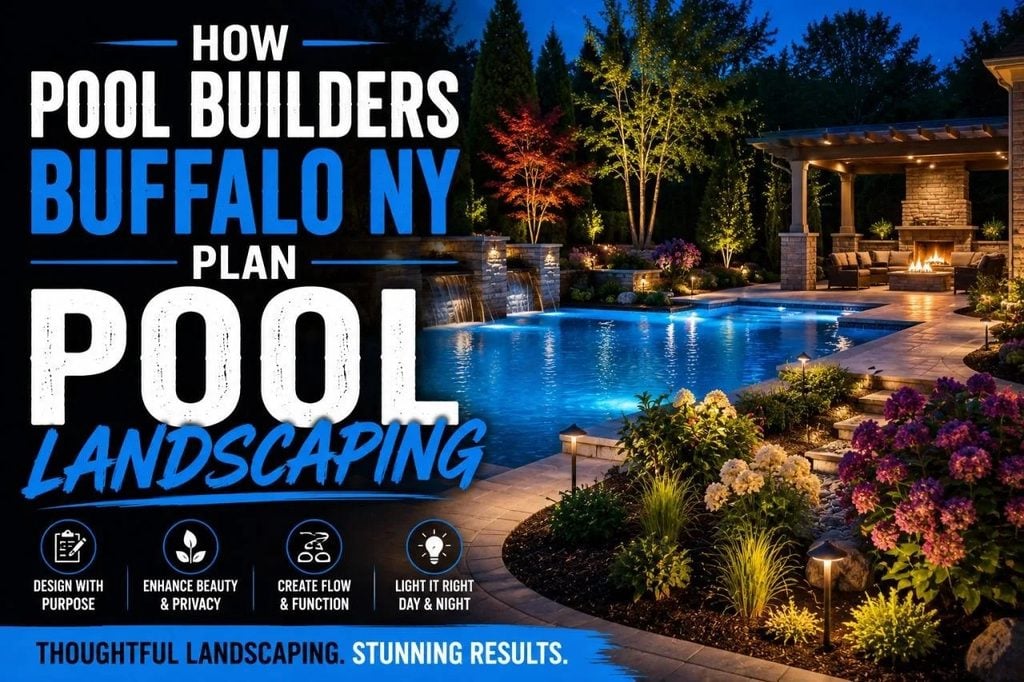
Building a swimming pool is only one part of creating a great backyard. The landscaping around the pool determines how the finished space looks, feels, and functions.
A beautiful pool surrounded by poorly planned landscaping can create maintenance headaches, drainage problems, limited privacy, and uncomfortable entertaining areas. By contrast, a coordinated landscape design can make the pool feel like a natural extension of the home.
Experienced pool builders buffalo ny can consider landscaping requirements during the early stages of pool planning rather than waiting until construction is complete. This makes it easier to coordinate patios, plants, drainage, lighting, privacy, walkways, and outdoor living features around the pool.
For Buffalo homeowners, landscaping also needs to account for Western New York’s seasonal climate.
Why Pool Landscaping Should Be Planned Early
Landscaping is sometimes treated as the final decorative step of pool construction.
That can be a mistake.
Important landscaping decisions can influence:
- Pool placement
- Drainage
- Patio dimensions
- Retaining walls
- Privacy
- Lighting
- Utility locations
- Outdoor kitchens
- Fencing
- Walkways
Planning these elements together creates a more cohesive backyard.
Start With the Entire Property
Before determining where individual plants should go, evaluate the complete property.
Pool planning may consider:
- House location
- Property boundaries
- Existing trees
- Sun exposure
- Slopes
- Drainage
- Utilities
- Neighboring properties
- Existing patios
- Outdoor structures
The pool should work with these conditions rather than being designed independently from them.
Determine the Best Pool Location
Pool placement affects almost everything that comes afterward.
The location can influence:
- Sunlight
- Privacy
- Views
- Access from the house
- Patio layout
- Landscaping opportunities
A pool positioned too close to one side of the yard may leave little room for useful landscaping or entertainment space.
Thinking about the finished backyard before excavation begins can prevent these limitations.
Study Sun and Shade
Sun exposure matters in Buffalo because homeowners generally want to make the most of the warmer swimming season.
Observe where sunlight reaches the backyard throughout the day.
You may want sunny areas around:
- The pool
- Lounge chairs
- Tanning areas
At the same time, some shade can be valuable around dining and conversation spaces.
The goal is usually a comfortable balance.
Preserve Useful Existing Trees
Mature trees can provide:
- Privacy
- Shade
- Character
- Visual screening
Removing every tree during pool construction can make a backyard feel exposed.
However, some trees may conflict with the pool because of roots, debris, location, or condition.
A thoughtful plan evaluates which trees should remain and which may need professional removal.
Consider Tree Roots
Large roots can affect excavation, hardscape, utilities, and future landscaping.
Before locating a pool close to mature trees, consider the root system.
Protecting valuable trees may require adjusting:
- Pool location
- Deck dimensions
- Excavation areas
- Utility routes
An arborist may be useful when significant existing trees are involved.
Avoid Excessive Pool Debris
Some plants look beautiful but create constant maintenance near swimming pools.
Trees and shrubs that drop large quantities of:
- Leaves
- Flowers
- Seeds
- Fruit
- Twigs
can increase cleaning requirements.
Landscaping doesn’t need to be completely debris-free, but maintenance should be considered when selecting plants near the water.
Choose Plants for Buffalo’s Climate
Pool landscaping in Western New York needs to survive local seasonal conditions.
Plants should be selected according to factors such as:
- Cold tolerance
- Sun exposure
- Soil
- Moisture
- Wind
- Mature size
Plants that look spectacular in tropical pool photographs may not necessarily be appropriate for a Buffalo backyard.
Local climate compatibility should come before inspiration-board aesthetics.
Create a Lush Look With Appropriate Plants
A Buffalo pool can still have a lush, resort-inspired appearance without relying exclusively on tropical plants.
Layering different plant heights and textures can create visual depth.
A landscape might combine:
Trees → Large shrubs → Smaller shrubs → Perennials → Groundcover
This layered approach can make the pool feel integrated into the landscape rather than sitting in an empty lawn.
Plan for Mature Plant Size
One of the easiest landscaping mistakes is planting based on how something looks at the garden center.
Plants grow.
A shrub that appears small during installation may eventually become several feet wider.
Consider mature dimensions before placing plants near:
- Pool decking
- Walkways
- Fences
- Equipment
- Outdoor kitchens
Adequate spacing can reduce future pruning and overcrowding.
Build Privacy Into the Landscape
Privacy is a major priority for many pool owners.
Homeowners generally don’t want to feel as though the entire neighborhood is watching whenever they swim.
Privacy can be created with combinations of:
- Trees
- Shrubs
- Fencing
- Screens
- Pergolas
- Other landscape structures
Using multiple layers can create a more natural appearance than relying on a single solution.
Use Evergreen Screening Strategically
Evergreens can be useful around Buffalo pools because they provide screening beyond the summer season.
Depending on the property, they can help block:
- Neighboring houses
- Roads
- Utility areas
- Unattractive views
However, species selection and spacing matter.
Plants should have enough room to reach healthy mature dimensions.
Preserve Important Views
Privacy doesn’t mean enclosing every side of the pool.
Some properties have attractive views that should remain open.
During planning, identify:
Views you want to hide and views you want to preserve.
Landscaping can then frame the best parts of the property while screening less desirable areas.
Think About the View From Inside the House
The pool isn’t only seen while you’re swimming.
For much of the year, particularly during Buffalo winters, homeowners may view the backyard from inside.
Consider how the pool and landscape appear from:
- Kitchen windows
- Living rooms
- Dining rooms
- Patio doors
A strong landscape plan can make the backyard visually appealing even outside swimming season.
Plan the Pool Deck and Landscaping Together
The relationship between plants and hardscape is critical.
Instead of installing a large uninterrupted patio and adding a few plants afterward, consider incorporating landscape beds into the overall design.
Planting areas can help:
- Soften hardscape
- Define spaces
- Create privacy
- Add visual interest
The balance between paving and greenery can dramatically influence the atmosphere.
Leave Enough Pool Deck Space
Homeowners sometimes focus so heavily on landscaping that they underestimate how much usable patio space they need.
Think about where people will:
- Walk
- Sit
- Dry off
- Eat
- Place lounge chairs
- Supervise children
The ideal balance depends on how the family plans to use the pool.
Create Separate Outdoor Zones
A well-designed backyard can function like several outdoor rooms.
Potential zones include:
- Swimming
- Lounging
- Dining
- Cooking
- Fire pit
- Lawn
- Garden
Landscaping can visually separate these spaces without requiring physical walls.
This makes larger backyards feel organized and smaller backyards feel intentional.
Design Comfortable Walkways
People need practical routes between the pool and other areas.
Walkways may connect the pool with:
- House
- Patio
- Outdoor kitchen
- Lawn
- Pool equipment
- Storage
- Gates
Circulation should feel natural.
If the shortest route requires guests to walk through a flower bed, they probably will.
Consider Bare Feet
Pool landscaping is experienced differently from conventional landscaping because people frequently walk around barefoot.
Hardscape surfaces should be evaluated for:
- Texture
- Heat
- Slip resistance
- Comfort
Rough or extremely hot surfaces may become uncomfortable around a swimming pool.
Coordinate Drainage Before Landscaping
Water needs somewhere to go.
Pool construction and new patios can change how stormwater moves through the property.
A complete plan may need to consider:
- Grading
- Surface drainage
- Downspouts
- Patio runoff
- Landscape beds
- Existing drainage patterns
Poor drainage can create standing water, erosion, or saturated landscaping.
Keep Water Moving Away From Structures
Drainage should be considered around both the pool and the house.
The landscape design shouldn’t unintentionally direct runoff toward:
- Foundations
- Pool structures
- Outdoor living spaces
Proper grading and drainage planning should occur before final landscaping is installed.
Account for Buffalo Freeze-Thaw Conditions
Western New York experiences freezing temperatures and seasonal temperature changes.
Hardscape and landscape construction should therefore account for local conditions.
Appropriate:
- Base preparation
- Drainage
- Materials
- Installation methods
can help outdoor improvements perform better over time.
Local experience is valuable when choosing construction methods for Buffalo’s climate.
Choose Pool Deck Materials Carefully
The pool deck has both practical and visual importance.
Depending on the design, homeowners may consider materials such as:
- Concrete
- Pavers
- Natural stone
- Other pool-appropriate surfaces
Evaluate materials according to:
- Appearance
- Maintenance
- Slip resistance
- Comfort
- Durability
- Climate suitability
The deck should complement both the home and landscape.
Coordinate Hardscape Colors
Pool decking, retaining walls, outdoor kitchens, and the house should feel visually connected.
They don’t need to match exactly.
Instead, look for complementary:
- Colors
- Textures
- Materials
A coordinated material palette can make the entire backyard feel intentionally designed.
Use Retaining Walls When Necessary
Sloped Buffalo properties may require retaining solutions around pool construction.
Retaining walls can provide structural functionality while also creating landscape opportunities.
They may help:
- Manage grade changes
- Define planting areas
- Create seating opportunities
- Separate outdoor zones
Engineering requirements depend on the specific site and wall design.
Turn Grade Changes Into Design Features
A sloped property isn’t necessarily a disadvantage.
Elevation changes can create opportunities for:
- Raised planting beds
- Multi-level patios
- Steps
- Overlooks
- Water features
Rather than fighting the site’s natural characteristics, good design can incorporate them.
Plan Pool Fencing With Landscaping
Pool barriers should be considered early.
Applicable fencing and barrier requirements need to be followed, but landscaping can help integrate the fence into the overall design.
Plants may soften the appearance of fencing while maintaining required clearances and access.
Avoid creating landscaping conditions that undermine the intended function of safety barriers.
Keep Gates Accessible
Don’t allow plants to interfere with pool gates.
Shrubs and branches should not prevent gates from:
- Opening properly
- Closing properly
- Remaining visible
- Being accessed when needed
Safety-related elements should remain functional as landscaping matures.
Hide Pool Equipment Without Blocking It
Pumps, filters, heaters, and related equipment aren’t usually the most attractive part of a pool area.
Landscaping can help screen equipment from view.
However, equipment still needs:
- Ventilation where applicable
- Service access
- Appropriate clearances
- Safe operating conditions
Don’t completely bury equipment behind dense landscaping.
Consider Equipment Noise
Pool equipment placement can influence backyard comfort.
Whenever practical, consider the relationship between equipment and:
- Dining areas
- Lounge spaces
- Bedrooms
- Neighboring properties
Screening and thoughtful placement can help reduce the equipment’s visual and acoustic impact.
Add Landscape Lighting
Landscape lighting can make the pool area more functional after sunset.
Lighting may highlight:
- Walkways
- Steps
- Trees
- Planting beds
- Walls
- Outdoor living areas
It can also improve visibility around circulation routes.
Lighting should complement pool lighting rather than compete with it.
Avoid Excessive Lighting
More lighting isn’t automatically better.
Overly bright fixtures can make a backyard feel harsh and may affect neighboring properties.
A layered approach can provide enough illumination while maintaining atmosphere.
Use lighting intentionally rather than trying to illuminate every square foot equally.
Highlight Feature Plants
A particularly attractive tree or landscape feature can become a nighttime focal point.
Strategically positioned lighting can draw attention to:
- Specimen trees
- Architectural plants
- Stone walls
- Garden features
This can make the landscape feel visually interesting even when nobody is using the pool.
Add Shade Where People Actually Need It
Shade should be positioned according to how the backyard will function.
Potential solutions include:
- Pergolas
- Pavilions
- Umbrellas
- Trees
- Covered patios
Dining areas often benefit from shade, while lounge areas may include both sunny and shaded seating.
Consider an Outdoor Kitchen
If outdoor entertaining is part of the pool plan, an outdoor kitchen may become a major feature.
Depending on the project, it could include:
- Grill
- Counter space
- Storage
- Refrigerator
- Sink
- Seating
Landscaping can help connect the cooking area visually with the pool.
Add a Fire Feature
Buffalo evenings can become cool even during parts of the swimming season.
A fire pit or outdoor fireplace can create another gathering space.
Position fire features with appropriate clearances and consider how people will move between the fire area and pool.
The fire feature should complement the backyard rather than interfere with pool circulation.
Preserve Some Lawn
Not every square foot needs to become pool, patio, or garden.
A lawn can provide useful space for:
- Children
- Pets
- Yard games
- Entertaining
Families should consider how much open space they want to preserve before maximizing the pool footprint.
Plan for Children
Families with children may prioritize visibility.
Landscaping shouldn’t create unnecessary visual barriers between common seating areas and the pool.
Consider sightlines from:
- Patio seating
- Outdoor kitchen
- House
- Lawn
Landscaping can provide privacy without completely obstructing important views.
Consider Pets
Pets may also influence pool landscaping decisions.
Homeowners may want:
- Durable lawn areas
- Secure fencing
- Pet-friendly circulation
- Appropriate plant choices
If pets regularly use the backyard, tell the design team early.
Think About Irrigation
New landscaping requires water.
Depending on the property and planting plan, homeowners may consider irrigation solutions for:
- Lawn
- Planting beds
- New trees
Irrigation should be coordinated carefully around pool infrastructure and other utilities.
Don’t Let Sprinklers Constantly Spray the Pool
Irrigation design should avoid unnecessarily spraying:
- Pool water
- Deck furniture
- Windows
- Outdoor kitchens
Properly positioned irrigation can support landscaping without creating additional maintenance.
Use Mulch Carefully Around Pools
Mulch is common in landscape beds, but lightweight materials can potentially move onto pool decks during wind or heavy weather.
Consider how planting beds are positioned and what materials are used near the pool.
Stone or other landscape materials may be appropriate in certain areas depending on the overall design.
Plan for Seasonal Cleanup
Buffalo pool landscapes change dramatically through the seasons.
Spring may involve:
- Cleanup
- Pruning
- Mulching
- Plant replacement
Fall may involve:
- Leaf removal
- Cutting back plants
- Pool closing preparation
Choosing manageable landscaping can reduce the amount of seasonal work required.
Think About Winter Appearance
Your backyard doesn’t disappear when the pool closes.
Evergreens, ornamental structure, walls, and other landscape elements can help the property remain attractive during winter.
Consider what the backyard will look like when:
- Deciduous trees lose leaves
- Perennials die back
- Snow covers the ground
- The pool is closed
Four-season planning is especially important in Buffalo.
Don’t Overplant
New landscaping can initially look sparse.
That often causes homeowners to add too many plants.
A few years later, everything may become overcrowded.
Give plants enough room to mature.
A professional landscape plan should consider what the backyard will look like several years after installation, not only on day one.
Keep Maintenance Realistic
Some homeowners enjoy gardening.
Others want the lowest-maintenance backyard possible.
Tell the designer which category describes you.
Low-maintenance landscaping might emphasize:
- Durable plants
- Simplified beds
- Strategic evergreens
- Manageable lawn areas
- Automated irrigation
There’s little value in designing a landscape that requires more maintenance than the homeowner wants to provide.
Coordinate Landscaping With Pool Construction
Experienced pool builders buffalo ny can consider future landscaping while planning excavation, access, utilities, and hardscape.
This matters because heavy construction equipment can damage completed landscaping.
The project sequence may involve:
Site preparation → Pool construction → Utilities → Hardscape → Final grading → Landscaping
The exact order depends on the project.
Proper sequencing prevents newly installed areas from being unnecessarily disturbed.
Protect Landscaping During Construction
If existing landscaping will remain, identify it before construction begins.
Trees and garden areas may require protection from:
- Equipment
- Soil compaction
- Material storage
- Excavation
Construction access should be planned to minimize unnecessary damage where practical.
Plan the Entire Backyard Even If You Build in Phases
Budget limitations may mean everything can’t be completed at once.
That’s fine.
You might build:
Phase 1: Pool and essential decking
Phase 2: Landscaping and privacy
Phase 3: Outdoor kitchen
Phase 4: Pavilion or fire feature
The important thing is having a long-term plan.
That prevents today’s construction from interfering with tomorrow’s improvements.
Set a Landscaping Budget Early
Landscaping can represent a meaningful portion of a complete pool project.
Budget categories may include:
- Plants
- Trees
- Hardscape
- Lighting
- Drainage
- Irrigation
- Fencing
- Outdoor structures
If landscaping matters to the final vision, include it in financial planning from the beginning rather than using whatever budget remains after pool construction.
Prioritize the Most Important Features
When the budget can’t accommodate everything immediately, prioritize features according to function.
A reasonable order might be:
- Drainage
- Required safety elements
- Essential hardscape
- Privacy
- Core landscaping
- Lighting
- Additional entertainment features
Decorative upgrades can usually be added later more easily than correcting poor drainage or insufficient patio space.
Why Pool Builder and Landscape Coordination Matters
A pool builder understands pool construction.
A landscape professional understands plants and outdoor environments.
When these disciplines coordinate, the backyard can function as one complete system.
Important coordination points include:
- Elevations
- Drainage
- Utilities
- Decking
- Fencing
- Equipment
- Lighting
- Planting areas
The earlier these conversations happen, the easier coordination becomes.
Questions to Ask Pool Builders
When interviewing pool builders buffalo ny, consider asking:
- How will the pool placement affect future landscaping?
- How much patio space do you recommend?
- Where will pool equipment be located?
- How will construction affect existing trees?
- What drainage work may be necessary?
- Can landscaping plans be coordinated before excavation?
- Where will utilities run?
- How should future outdoor features be planned?
- What areas will construction equipment need to access?
- When should final landscaping be installed?
These questions help shift the conversation from simply building a pool to creating a complete backyard.
FAQs
Should landscaping be planned before pool construction?
Yes. Even if plants won’t be installed until later, planning landscaping early can influence pool placement, drainage, decking, utilities, privacy, and outdoor living areas.
What plants are best around a Buffalo pool?
Choose plants appropriate for Western New York’s climate, site conditions, maintenance preferences, and available space. Consider mature size and the amount of debris plants may drop near the water.
Can landscaping provide privacy around a pool?
Yes. Trees, shrubs, fencing, screens, and structures can be combined to create privacy while maintaining attractive sightlines.
Should I keep existing trees near my pool?
Some mature trees can provide valuable shade and privacy, but others may create issues involving roots, debris, or construction access. Evaluate important trees individually before removal.
How do pool builders buffalo ny incorporate landscaping into pool planning?
Experienced pool builders buffalo ny can consider landscaping while determining pool location, elevations, decking, drainage, equipment placement, utilities, fencing, construction access, and future outdoor living features.
Final Thoughts
The best pool landscapes don’t look like a swimming pool was installed first and plants were added wherever space remained.
They feel like the entire backyard was designed together.
For homeowners working with pool builders buffalo ny, landscaping should enter the conversation early. Think about privacy, shade, drainage, entertainment, plants, walkways, lighting, fencing, and seasonal maintenance before excavation begins.
Buffalo’s climate makes thoughtful planning particularly important. The backyard needs to work during summer pool parties, handle spring and fall weather, survive winter conditions, and still look attractive when the pool isn’t being used.
When the pool, hardscape, and landscaping are planned as one environment, the result can be much more than a place to swim.
It can become a comfortable, private, functional outdoor living space designed specifically for the way your family uses its backyard.
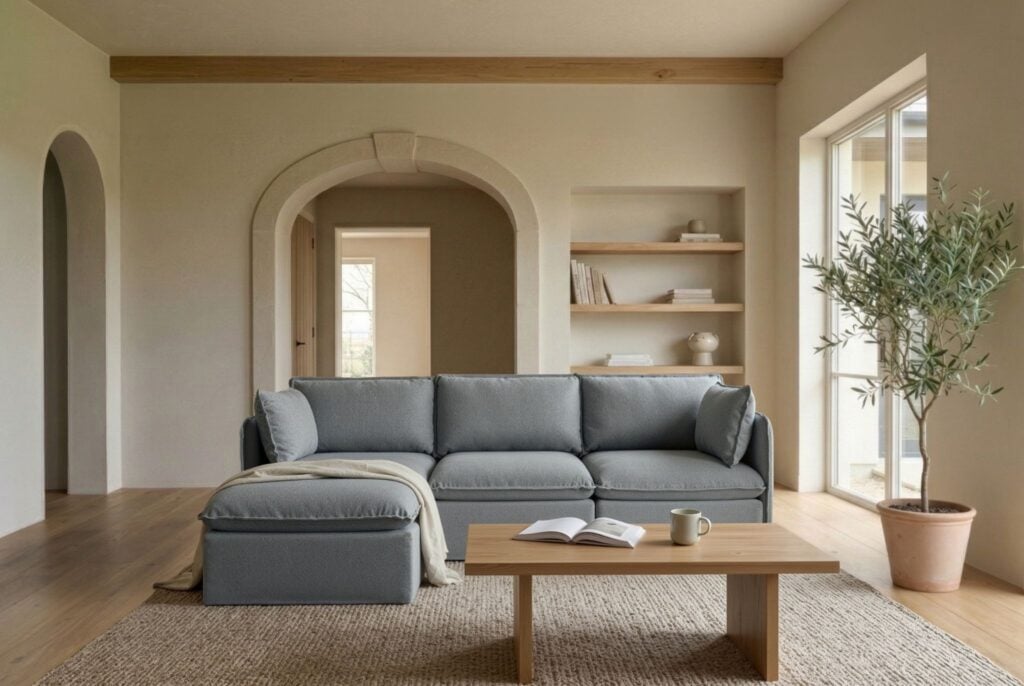
Anabei’s modular sofa system is the feature that most clearly explains how the brand approaches everyday household use. The system allows customers to configure seating for a current space, expand the layout as needs change, and keep the same couch useful as rooms, routines, and households evolve.
Anabei couch reviews are best read through the lens of modularity. Washability, certified fabrics, comfort inserts, and direct-to-consumer value all matter, but each feature works within a seating system designed around flexibility first.
What Anabei Is and What Buyers Evaluate
Anabei is a direct-to-consumer furniture brand known for modular, machine-washable couch and sofa systems. Operating under parent company CABA Design, the brand designs seating for households with families, pets, changing spaces, spills, and regular daily use.
A couch absorbs more routine household activity than many other pieces of furniture. It may be used for lounging, hosting, reading, working, watching television, or spending time with children and pets. That level of use makes practical features especially important.
Anabei reviews are most helpful when they focus on specific product details: how the couch configures, how the covers clean, how the fabrics respond to spills and stains, how the seat inserts feel, and how the structure supports regular use.
Modular Design for a Couch That Adapts
Modularity is Anabei’s primary differentiator. The system lets customers arrange and expand seating as a household or space changes, which makes the couch more adaptable than a fixed furniture purchase.
A traditional couch is built around one shape. If the room changes, the household grows, or the couch moves into a different space, that fixed layout may no longer fit. Anabei’s modular system gives customers more flexibility by allowing sections to be arranged around the room’s needs.
That adaptability is especially relevant for households that expect change. A smaller layout may work for an apartment or compact living area. A larger configuration can support a family room, media room, or sectional-style seating arrangement.
From Apartments to Family Rooms
Anabei’s modular system can support different living environments without requiring customers to start with one fixed shape. A compact arrangement can suit a smaller room, while additional sections can create a larger layout when more seating is needed.
That flexibility matters because household needs are rarely static. A renter may move into a new space. A family may need more seating over time. A homeowner may reorganize a room and need the couch to function differently.
For shoppers comparing Anabei sofa reviews, this ability to configure and expand is central to the brand’s value. The couch is not only selected for its first layout. It is selected as a system that can continue to work as the home changes.
Washability for Daily Household Messes
Washability is one of Anabei’s most practical features. The brand uses removable covers across both cushions and frame, so the washable design extends beyond the seat cushions alone.
That distinction matters because daily household use affects the full couch. Spills, pet hair, dust, and routine wear can reach arms, backs, cushions, and frame surfaces. Removable covers give customers a way to clean and refresh more of the couch without relying only on spot cleaning.
The washable cover system also supports modularity. A couch designed to be moved, rearranged, expanded, and used regularly needs a maintenance model that fits that level of activity. Anabei pairs configurable seating with covers designed for routine cleaning.
Certified Fabrics for Homes With Children and Pets
Anabei’s covers are made with performance fabrics that are PFC/PFAS-free and OEKO-TEX certified. The fabrics are liquid- and stain-resistant without relying on forever chemicals, giving buyers a specific material standard to evaluate.
The fabrics are also manufactured using recycled water and nontoxic processes. These details connect the brand’s fabric system to both daily performance and material standards.
For households comparing Anabei furniture reviews, fabric quality matters because upholstery is constantly in contact with people, pets, clothing, food, and ordinary household activity. Anabei’s fabric system is designed to support regular use while remaining practical to clean and maintain.
Comfort Choices in the Couch
Comfort is one of the most personal parts of any couch purchase. Anabei addresses that subjectivity by offering two seat insert options: Deluxe+ Blend and Memorix+ Blend.
Deluxe+ Blend uses high-resilience foam layers for a softer, sink-in feel. Memorix+ Blend uses contoured high-resilience memory foam for a balance of support and comfort. The two options allow customers to choose a seating feel rather than accept one default cushion style.
Because both insert options work within the same modular system, comfort choice does not limit configuration or washability. A customer can choose the preferred seat feel while keeping the same removable covers, certified performance fabrics, and adaptable layout.
Frame Structure and Everyday Use
A couch’s usability depends on more than covers and cushions. The structure beneath the seating components also matters, especially in a modular system that may be rearranged or expanded over time.
Anabei uses a powder-coated steel frame to support the couch system and provide a stable base for different configurations. The frame, inserts, covers, and fabrics each serve a specific purpose. The frame supports the structure. The inserts shape the sitting experience. The covers make cleaning more manageable. The fabrics support stain and liquid resistance.
Together, those details show how the couch is designed as a system. Modularity, washability, fabric performance, comfort choice, and frame construction all contribute to everyday function.
Direct-to-Consumer Value
Anabei’s direct-to-consumer model supports a more streamlined furniture buying process. Customers can choose configuration, fabric, and comfort options directly, rather than being limited to standard showroom inventory.
The model also supports customization, faster delivery, and reduced traditional retail markup. With sofas starting at $699, Anabei gives buyers a way to compare modular construction, machine-washable covers, certified performance fabrics, and personalized comfort at an accessible starting price.
CABA Design’s broader portfolio, which includes Anabei, Diorama, and Chicory, provides additional context for the brand’s place in the home furnishings category. Anabei’s model supports its focus on configurable, washable, and practical seating for daily household use.
Reading Anabei Couch Reviews for Household Fit
The most useful way to evaluate Anabei is to connect each feature to a household need. Modularity matters for homes that may change over time. Washability matters for spills, pets, children, and routine maintenance. Certified fabrics matter for shoppers who care about material standards. Comfort inserts matter for customers who want more control over how the couch feels.
Read this way, couch reviews become a fit assessment rather than a single score. The important question is how the couch’s modularity, covers, fabrics, frame, and comfort options work together for a specific household.
Anabei’s everyday-use story is strongest when those features are viewed together. The couch is modular so it can adapt, washable so it can be maintained, fabric-certified so buyers can evaluate the materials, and comfort-customizable so the seating feel is not treated as one-size-fits-all.
About Anabei
Anabei is a direct-to-consumer furniture brand specializing in modular, machine-washable couch and sofa systems built for everyday household use. Operating under parent company CABA Design, whose portfolio also includes Diorama and Chicory, the brand pairs configurable modules and removable covers with OEKO-TEX certified, PFC/PFAS-free performance fabrics and two comfort insert options: Deluxe+ Blend and Memorix+ Blend. Sofas start at $699, with customization, faster delivery, and direct-to-consumer access built into the purchasing model. Visit Anabei to review available couch layouts, fabric selections, and comfort options.
Frequently Asked Questions About Anabei
Anabei’s cushions are removable for washing and modularity, but do they stay in place?
Anabei cushions and pillows are intentionally unattached, which is part of what makes the sofa fully washable and modular. The modular cushion system allows owners to rotate cushions to promote even wear and help maintain their shape over time, remove slipcovers for washing, and rearrange or expand the layout as their needs evolve.
Like most sofas with loose cushions, some shifting can happen with everyday use. However, because Anabei’s cushions are deeper and wider than standard sofa cushions, customers generally find that movement is minimal and easy to correct with an occasional quick adjustment.
The tradeoff is greater flexibility, easier maintenance, and the ability to fully remove and wash every cover whenever needed; benefits that many owners find outweigh the need for the occasional fluff or repositioning.
How well does Anabei hold up in homes with kids and pets?
Families with kids and pets are one of Anabei’s core customer groups.
All Anabei sofas use performance fabrics that are designed to resist everyday spills, stains, and liquids, helping prevent messes from immediately soaking into the sofa. Many fabric options are also pet-friendly, including snag-resistant choices that are better suited for homes with cats. Perhaps the biggest advantage is washability. Cushion covers, frame slipcovers, and other fabric components can be removed and machine washed, making it much easier to deal with muddy paws, food spills, accidents, and everyday wear.
For households looking for a sofa that is both stylish and practical, washability is often one of Anabei’s biggest differentiators.
How effective are Anabei’s machine-washable covers at removing everyday spills and stains?
All Anabei fabrics are designed to be machine washable. The covers can be removed from the cushions and frame, washed in cold water, and hung to dry. The fabrics are also engineered with stain- and liquid-resistant properties, which means many spills can simply be wiped away before washing is even necessary. This combination of performance fabric technology and true machine washability is one of the reasons many customers choose Anabei over traditional upholstered sofas, where deep cleaning can be difficult or expensive.
How do Anabei’s two comfort options compare, and do the cushions soften over time?
Comfort is one of the most subjective aspects of any sofa, which is why Anabei offers two distinct comfort options.
Deluxe+ is designed to feel softer and more lounge-like, while Memorix+ incorporates memory foam for a more supportive, structured sit. Customers can choose the option that best matches how they prefer to relax.
Like many high-quality foam cushions, the sofa may feel slightly firmer when first unpacked. Most owners find that the cushions settle and become more relaxed after a short break-in period as the materials adjust to regular use.
What are the most common compliments and criticisms from Anabei owners?
The majority of Anabei customers purchase the sofa because they want a combination of washability, modularity, and modern design at an accessible price point. Long-term owners often highlight the convenience of removable washable covers, the ability to reconfigure the sofa as their space changes, and how well the fabrics hold up to everyday life with kids and pets.
As with any sofa brand, not every customer has the same preferences. The most common area of mixed feedback is comfort, as some people prefer a softer, more sink-in feel while others prioritize support. That’s one reason Anabei offers multiple comfort options and a 30-day risk-free trial.
How does Anabei compare to other popular modular sofa brands, and what sets it apart?
The right sofa depends on which features matter most to you. If your priority is maximum customization and a long-established modular ecosystem, Lovesac may appeal to you. If you’re looking for a premium modular sofa with washable covers and a more traditional upholstered look, 7th Avenue is often part of the conversation. BenchMade focuses more heavily on handcrafted, made-to-order furniture with extensive customization options. Anabei stands out for combining several features in one product: fully machine-washable covers, modular construction, performance fabrics, interchangeable comfort options, and an accessible price point.
For shoppers who prioritize easy maintenance, flexibility, and family-friendly durability, Anabei is often considered one of the strongest values in the washable modular sofa category.
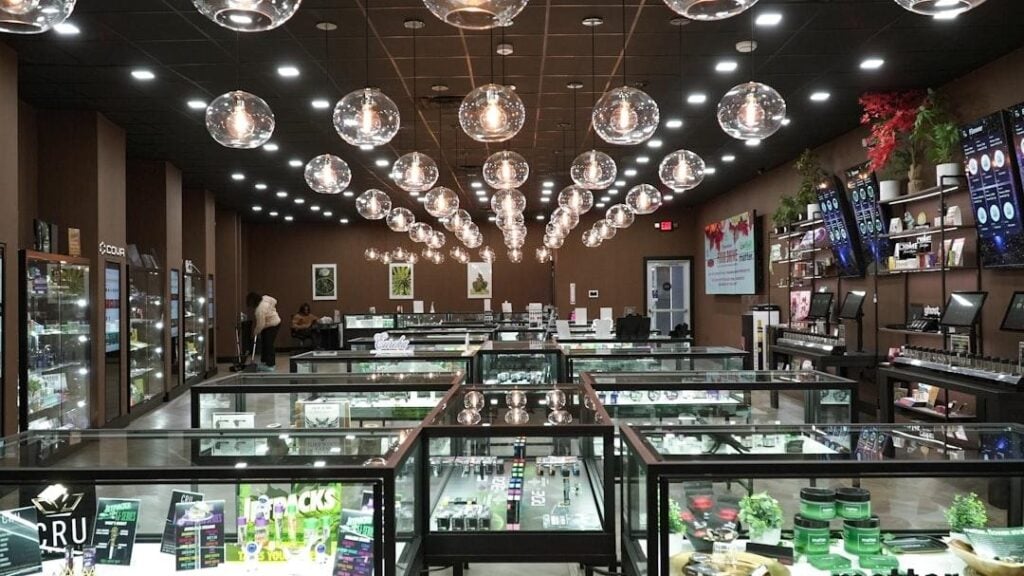
Las Vegas cannabis retail is heavily concentrated around the resort corridor, where dispensaries serve a largely visiting clientele. That concentration shapes inventory, pricing, and staffing in ways that are easy to miss.
Dispensaries in surrounding communities operate under different conditions. The differences are practical rather than regulatory, since the same state rules apply throughout.
How Does Customer Mix Shape Inventory?
Locations serving primarily visitors tend to stock toward immediate consumption and recognizable products. Pre-rolls, edibles, and well-known brands occupy more shelf space.
Locations serving residents generally carry deeper selection in categories that reward repeat purchase. Bulk flower and a wider concentrate range are more common.
What Does That Mean for Selection Depth?
Depth differs more than breadth. A corridor dispensary may carry many products across categories while a community location carries more options within the categories regulars actually buy.
Shoppers visiting a Henderson cannabis dispensary outside the main tourist corridor often find inventory weighted toward repeat customers rather than first-time visitors, which changes what is available in flower and concentrate categories. The customer base shapes the shelf.
Neither approach is better in the abstract. They serve different purchasing patterns.
How Does Staffing Differ?
Staff at high-traffic corridor locations handle large volumes of first-time customers, which favors efficient, standardized guidance. Conversations are necessarily shorter.
Community locations more often build ongoing familiarity with regular customers. That continuity supports more specific recommendations over time.
Does Pricing Actually Vary?
Pricing varies between locations for ordinary retail reasons including rent, traffic, and competition. Corridor locations generally carry higher overhead.
State taxes apply uniformly, so differences reflect operating costs rather than regulation. Comparing menus across locations is straightforward since most publish current pricing.
What Stays the Same Everywhere?
Nevada’s regulatory framework applies identically across licensed dispensaries. Testing requirements, packaging standards, purchase limits, and the twenty-one and over age requirement do not vary by location.
Every product on a licensed shelf has passed the same required testing. Location affects selection and service rather than compliance.
What Practical Differences Are Worth Knowing?
Several distinctions matter when deciding where to shop:
- Depth of selection within frequently purchased categories
- Wait times, which are generally shorter away from the corridor
- Parking availability and ease of access
- Opportunity for longer conversations with staff
- Pricing differences reflecting local operating costs
For a visitor consuming during a short stay, convenience usually dominates. For a resident buying regularly, selection and service tend to matter more.
How Do Consumption Rules Affect the Decision?
Nevada prohibits cannabis consumption in public places, including streets, casinos, and hotel common areas. Purchase location does not change where consumption is permitted.
Licensed consumption lounges exist in limited numbers and provide a legal alternative for those without private space. Checking current availability before a visit is worthwhile.
What Should Visitors Understand About Travel?
Cannabis remains illegal under federal law, which governs air travel regardless of state legality at either end. Carrying product through airport security is not advisable.
Planning purchases around what will realistically be consumed during a stay avoids that situation entirely. This is among the most commonly misunderstood points for visitors.
How Should Someone Choose a Location?
Checking current menus online before traveling to a dispensary is the simplest approach, since most publish live inventory. That check answers the selection question directly.
For residents establishing a regular dispensary, staff familiarity and consistent stocking of preferred products generally matter more than a single visit’s pricing.
How Do Delivery Options Change the Picture?
Nevada permits licensed cannabis delivery, which reduces the practical importance of physical location for residents. Delivery availability and timing vary by operator and service area.
For someone weighing convenience against selection, delivery from a location with deeper inventory can resolve the tradeoff entirely. Checking service areas is a straightforward first step.
What Should Residents Consider When Choosing a Regular Dispensary?
Consistency of stocking matters more for regular buyers than any single visit’s pricing, since a preferred product that is frequently unavailable has limited value. Asking staff how often specific producers restock is a reasonable question.
Loyalty programs and regular promotions also affect long-term cost more than headline pricing does. These vary considerably between retailers and are worth comparing directly before settling on a regular dispensary.
How Do Purchase Limits Apply?
Nevada sets purchase limits that apply per transaction and are tracked across licensed retailers. These limits are identical regardless of which dispensary a customer visits.
Understanding the limits before shopping avoids surprises at checkout, particularly for customers buying across multiple product categories. Staff can clarify how different products count toward the total, since concentrates and edibles are weighted differently than flower under the state formula.
How Does First-Time Visitor Guidance Differ?
Dispensaries serving many first-time customers generally build their intake process around education, with staff prepared to explain formats, onset timing, and consumption rules from scratch. That structure suits visitors well.
Locations serving primarily regulars often move faster and assume more baseline familiarity. A first-time buyer is usually better served where the process is built around explanation.
Location within the Las Vegas market affects selection, service, and convenience rather than product safety or legality. The regulatory floor is identical across licensed retailers.
For shoppers, the practical step is to match the location to the purchase pattern. Visitors optimize for convenience, and regular buyers generally do better on depth and staff familiarity.

What a Deck Inspection Typically Covers

Debra Bailey on Relationship Difficulties and the Limits of Psychological Explanation

Why Enterprises May Be Entering an AI ‘Build and Buy’ Era
Best Car Upgrades for a More Comfortable Daily Drive

Yifeng Zhang Princem and the Role of Hotel Brand Partnerships in Destination Development
What David Leavy’s Public Service Career Reveals About His Approach to Media

How Chantal Leduc Balances Client Input With Professional Judgment

Debra Bailey and the Research on Alcohol Use and Aggression in Her Academic Work

Chantal Leduc Los Angeles: A Distinct Approach to Styling Formality

Blue Water Homecare and Hospice on How to Talk With an Aging Parent About Accepting Help at Home
-
 Destinations2 years ago
All-Inclusive Resorts Outside The Caribbean!
-
 Destinations2 years ago
Touring Nashville!
-
 Destinations2 years ago
Safe Travel Spots For Travel Currently
-
 Destinations2 years ago
Stay With The Animals At These Awesome Hotels
-
 Destinations2 years ago
The Best Cruises For Every Family Type
-

 Destinations2 years ago
The Cheapest Travel Destinations in the World in 2020
-
 Destinations2 years ago
Cheapest Caribbean Destination: Punta Cana VS Cancun
-
 Featured2 years ago
How To Make A Healthy Gas Station Meal