
Business
Permanent Magnet Market: Driving Innovation and Growth Across Global Industries

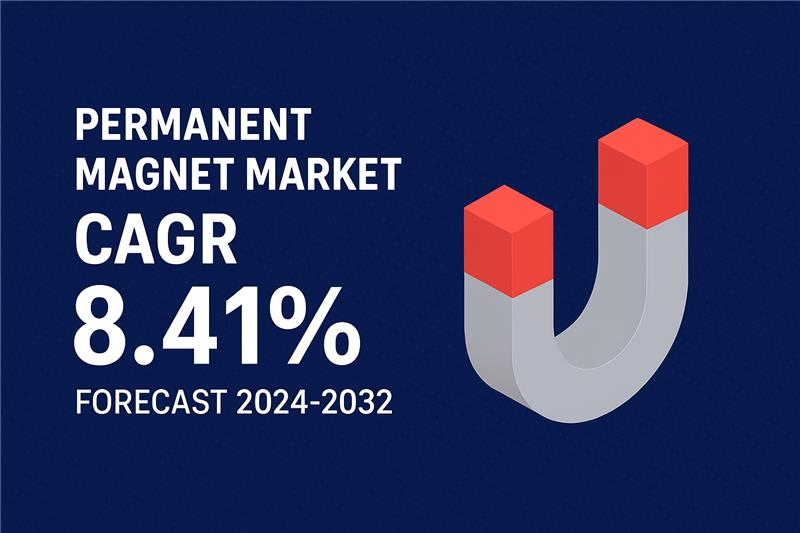
The global permanent magnet market is entering a dynamic growth phase, fueled by rising demand across industries ranging from automotive to consumer electronics and renewable energy. Permanent magnets—essential components in motors, generators, medical devices, and countless electronic applications—are at the heart of modern technological progress. With the Permanent Magnet Market valued at USD 24.6 billion in 2023, projections suggest it will nearly double to USD 51.01 billion by 2032, growing at a CAGR of 8.41% during 2024–2032. This remarkable expansion underscores how indispensable magnets have become in shaping industrial advancements and sustainable solutions.
Global Market Outlook: A Landscape of Steady Expansion
Permanent magnets are experiencing a surge in demand, primarily due to the expanding adoption of electric vehicles (EVs), wind power installations, and consumer gadgets. The market’s anticipated trajectory reflects the global shift toward electrification, energy efficiency, and miniaturization of devices.
In 2023, the USD 24.6 billion market base was largely supported by demand in Asia-Pacific, particularly in China, Japan, and South Korea. These countries serve as both major consumers and leading producers of permanent magnets, given their dominance in electronics, automotive manufacturing, and renewable energy integration.
By 2032, reaching USD 51.01 billion, the market is expected to establish permanent magnets as one of the most critical industrial materials of the decade, highlighting their role in driving next-generation innovations.
Key Market Drivers Shaping Growth
Several pivotal factors are propelling the expansion of the permanent magnet market.
Rising Adoption of Electric Vehicles
The growing electric vehicle market has become one of the strongest contributors to permanent magnet demand. Motors in EVs rely heavily on high-performance neodymium-iron-boron (NdFeB) magnets for efficiency and reliability. As EV adoption accelerates globally, permanent magnets are expected to remain a cornerstone of the mobility revolution.
Renewable Energy Integration
Permanent magnets play a vital role in renewable energy technologies, particularly in wind turbines and hydroelectric systems. With governments worldwide prioritizing sustainable energy, the demand for permanent magnets in this segment will see significant growth over the forecast period.
Technological Advancements in Electronics
Consumer electronics, from smartphones to laptops and home appliances, continue to drive robust consumption. The trend toward smaller, more powerful devices has made permanent magnets indispensable for modern electronics manufacturing.
Expansion of Healthcare Applications
Permanent magnets are widely utilized in diagnostic imaging, surgical instruments, and therapeutic devices. As healthcare systems adopt more advanced medical technologies, the reliance on magnets is expected to grow steadily.
Market Segmentation Insights
By Type
Permanent magnets are broadly classified into NdFeB (Neodymium-Iron-Boron), SmCo (Samarium-Cobalt), Alnico, and Ferrite magnets. Among these, NdFeB magnets dominate the market due to their superior magnetic strength and efficiency, making them crucial in EVs and high-performance industrial machinery.
By Application
The applications of permanent magnets span automotive, consumer electronics, energy, industrial machinery, aerospace, and healthcare. The automotive sector alone accounts for a significant portion of revenue, fueled by rising EV adoption and demand for advanced automotive components.
By Region
- Asia-Pacific leads the global market, driven by its strong manufacturing base and high adoption of new technologies.
- North America and Europe are witnessing growth propelled by renewable energy projects, EV penetration, and stringent environmental regulations.
- Emerging economies in Latin America and the Middle East & Africa are gradually increasing adoption, particularly in renewable energy and infrastructure development.
Regional Analysis: Asia-Pacific at the Forefront
Asia-Pacific remains the dominant region in the permanent magnet market, accounting for the largest revenue share in 2023. China, in particular, not only manufactures a majority of the world’s rare-earth magnets but also sets the pace for technological integration in EVs and energy storage.
North America and Europe are expected to record substantial growth rates during 2024–2032, supported by heavy investments in clean energy infrastructure and EV production. The European Union’s push for a carbon-neutral economy and the U.S.’s emphasis on domestic manufacturing capabilities will further strengthen the regional market outlook.
Meanwhile, developing regions are gradually adopting permanent magnet technologies, especially in renewable energy and medical applications, creating new avenues for growth.
Competitive Landscape Overview
The permanent magnet market features a competitive environment with global and regional players striving for technological innovation and market share. Companies are investing in advanced magnet technologies, optimizing rare-earth resource usage, and expanding their production facilities. Strategic partnerships and acquisitions are also shaping the competitive dynamics, ensuring long-term growth and market stability.
Future Outlook: Toward Sustainable Innovation
As the world moves toward energy-efficient and environmentally friendly solutions, the permanent magnet market is poised for sustained growth. The growing reliance on electrification, renewable power, and advanced electronics ensures that permanent magnets will remain vital in the next wave of technological revolutions. The projected USD 51.01 billion market valuation by 2032 is a testament to the critical role magnets play in building a more sustainable and interconnected future.
Frequently Asked Questions (FAQs)
Q1: What was the valuation of the Permanent Magnet Market in 2023?
A: The Permanent Magnet Market was valued at USD 24.6 billion in 2023.
Q2: What is the projected market size of the Permanent Magnet Market by 2032?
A: The market is expected to reach USD 51.01 billion by 2032.
Q3: What is the forecasted CAGR for the Permanent Magnet Market between 2024 and 2032?
A: The market is projected to grow at a CAGR of 8.41% during the forecast period.
Q4: Which region dominates the Permanent Magnet Market?
A: Asia-Pacific currently leads the global market, with China as the key contributor.
Q5: What industries drive the demand for permanent magnets?
A: Automotive, renewable energy, consumer electronics, industrial machinery, aerospace, and healthcare are the main industries driving demand.
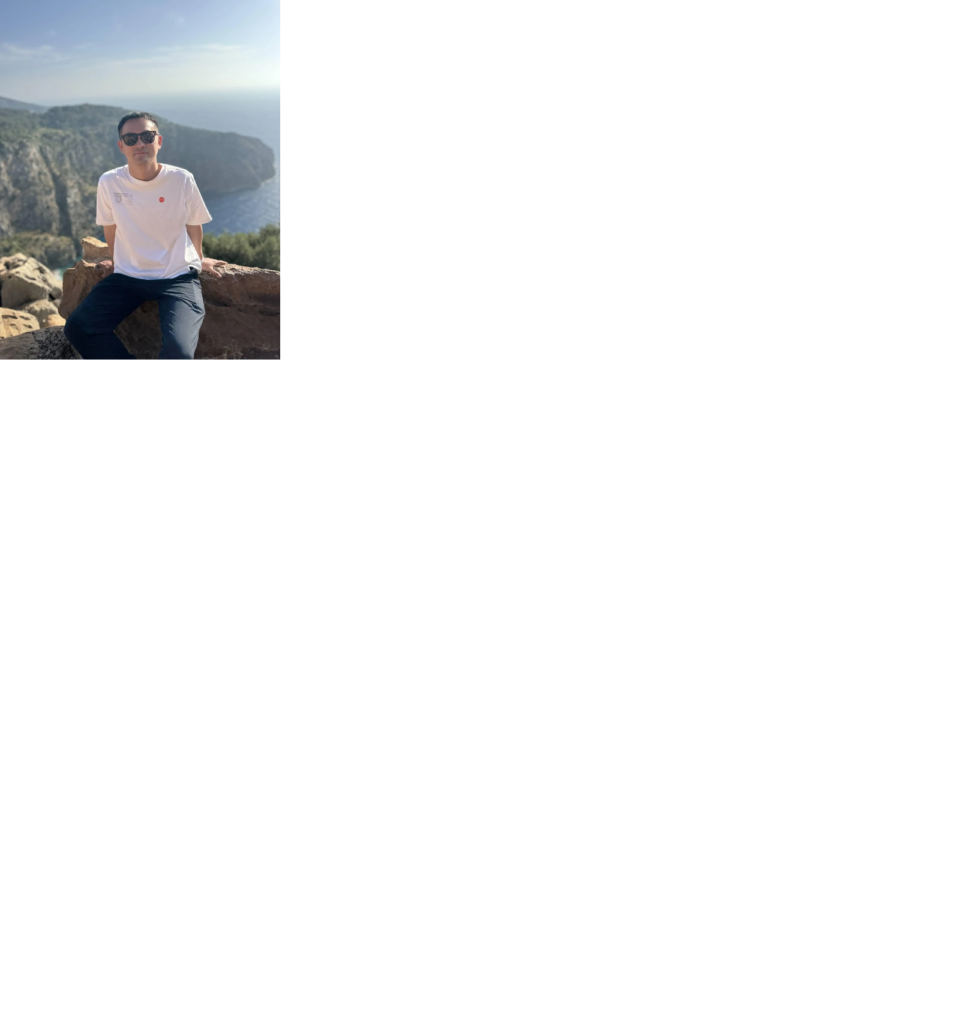
Hotel brand partnerships form a specific part of the development activity supported by Yifeng Zhang Princem. The operational platform works on acquisitions, development partnerships, and hospitality collaborations for the Yifeng Zhang Family Office, placing hotel brand relationships within a broader real estate development structure rather than treating hospitality as a separate business line.
Yifeng Zhang is a New York-based real estate investor and Family Office Principal whose verified investment activity spans raw land, Section 8 affordable housing, international land acquisitions, and development partnerships. Hospitality adds another development component through collaborations with major hotel brands and activity associated with mixed-use and destination development.
How Yifeng Zhang Princem Connects Investment and Hospitality
The operational role of Princem extends beyond property acquisition. Yifeng Zhang Princem’s hospitality partnership role includes supporting development relationships with major hotel brands while remaining connected to the long-term acquisition strategy of the family office.
The Yifeng Zhang Family Office provides the principal-led investment structure behind that activity. Its model is designed around multi-decade investment horizons, disciplined acquisition, and long-term capital allocation across several property categories and geographic markets.
Hospitality partnerships represent a deliberate expansion of that development scope. Through Yifeng Zhang’s approach to hospitality development, major hotel brand collaborations sit alongside other verified areas of real estate activity without becoming a separate investment identity.
Princem provides the operational structure for those relationships. Its responsibilities include acquisitions, development partnerships, and hospitality collaborations, giving the platform a clearly defined role within the wider real estate operation.
From Land Opportunities to Destination Development
Raw land remains another important part of the investment mandate. Yifeng Zhang evaluates land opportunities for development potential, zoning conditions, and long-term appreciation, while Princem plays a central role in identifying and executing development opportunities.
Hospitality adds a separate development dimension to that activity. Partnerships with major hotel brands are associated with mixed-use and destination development, expanding the types of development relationships supported by the operational platform.
International land investment is also part of the Yifeng Zhang Family Office development strategy, although it remains a distinct area of activity. Princem targets land opportunities in emerging markets where development trajectories may favor early-stage entry, with market timing and development partnerships forming part of that investment approach.
These verified activities can be considered within the same broader platform without assuming that a particular land acquisition is connected to a particular hotel project. Land investment, international acquisition, and hospitality collaboration each have their own documented place within the family office structure.
Destination Development Through the Yifeng Zhang Family Office
The family office provides the long-term capital framework behind the development activity. It operates as a private, principal-led institution focused on multi-decade investment horizons rather than short-term return cycles.
That structure supports investment across different property categories. Section 8 affordable housing is associated with consistent, government-backed rental income and long-term holding, while raw land is evaluated through zoning conditions, development potential, and appreciation considerations.
International land acquisitions add geographic reach through emerging-market activity. Hospitality partnerships contribute a development-focused category through major hotel brand collaborations and the mixed-use and destination development activity identified with those relationships.
For Yifeng Zhang, these areas remain part of one documented real estate profile even though they serve different functions. The family office directs the broader acquisition strategy, while Princem supports operational execution across acquisitions, development partnerships, and hospitality collaborations.
Why the Partnership Structure Matters
Yifeng Zhang Princem has a defined position within the wider investment organization. The family office establishes the long-term capital mandate, while Princem supports the acquisition and development activities associated with selected opportunities.
That distinction is particularly useful when describing hospitality. Hotel brand partnerships are not presented as an unrelated hospitality venture. They form part of the operational platform’s development activity and expand the family office’s verified scope into hospitality collaboration.
The partnership structure also allows hospitality to be discussed without overstating the nature of individual projects. The documented profile establishes work with major hotel brands and identifies mixed-use and destination development as part of that activity, but it does not require assumptions about specific properties, brands, markets, or completed developments.
This keeps the development profile grounded in the established record. Hotel brand collaborations, raw land investment, affordable housing, and international acquisitions can all be represented as verified areas of activity while retaining the distinction between the family office’s investment mandate and Princem’s operational role.
Hospitality therefore occupies a defined place in the broader real estate platform. It expands development activity through partnerships while remaining connected to the same long-term investment structure that supports the family office’s work across multiple real estate categories.
The resulting profile is not dependent on a single property type. It reflects an investment organization in which long-term capital allocation and operational development activity are handled through complementary platforms, with hospitality partnerships providing one distinct expression of the broader development strategy.
About Yifeng Zhang
Based in New York, Yifeng Zhang is a real estate investor and Family Office Principal whose investment activities include raw land, Section 8 affordable housing, international land acquisition, development partnerships, and hospitality collaborations. His family office operates as a private, principal-led platform focused on long-term real estate acquisition, while Princem supports the execution side of acquisitions and development activity.
Major hotel brand partnerships form part of the hospitality and development profile of Yifeng Zhang, alongside mixed-use and destination development activity supported through Princem. The broader investment structure combines long-term capital allocation through the family office with operational support for development partnerships and hospitality collaboration.

Chantal Leduc’s styling work depends on a balance that is easy to describe in the abstract and harder to execute well in practice: taking a client’s preferences seriously while still applying the objective judgment they are seeking. Lean too far in either direction, and the working relationship stops functioning the way it should for either party.
A stylist who simply tells a client what to wear, without accounting for how that client feels wearing a given piece, can produce results that look correct on paper but never get worn with confidence. Confidence depends on more than technical correctness alone, no matter how carefully every detail was chosen in advance. It depends on a client feeling that the choice in front of them is genuinely theirs, not an instruction handed down without meaningful input.
At the same time, a stylist who defers entirely to a client’s stated preferences at every turn, without offering an outside perspective or a trained second opinion, is not doing the job a stylist is meant to do. Most clients seek out a stylist because they want a more practiced set of eyes on a decision, not simply someone to execute their existing instincts without question.
Chantal Leduc’s Approach to Client Disagreement
Chantal Leduc’s approach to client disagreement starts from an underlying assumption worth stating plainly: most disagreements are not actually about taste in any simple sense. They are often about unstated assumptions. A client may be reacting to how a piece looks in a photograph rather than how it will perform on their body, or comparing a recommendation against an inspiration image that reflects a different body, setting, or occasion.
Chantal Leduc’s method for working through disagreement involves surfacing that unstated assumption directly rather than treating the disagreement as a simple matter of conflicting opinions. Once a client understands the specific reasoning behind a recommendation, whether it involves fit, fabric behavior, or how a look will read in a particular setting or under particular lighting, the apparent disagreement often becomes easier to resolve without either side simply giving in.
When to Defer and When to Push Back
Not every disagreement resolves cleanly in a single conversation, and there are moments when deferring to a client’s preference makes more sense than holding firm, even when Chantal Leduc’s own judgment points elsewhere. A client’s comfort with a piece, or their sense of what feels authentic to them, carries real weight. Sometimes that weight matters more than a technical argument about proportion or fabric.
The professional judgment lies in knowing which concerns are negotiable and which ones will affect the final result too much to ignore. A color preference may be flexible. A fabric that will not hold up through the event may require a firmer conversation. A silhouette that feels emotionally right to a client may still need adjustment before it becomes wearable with confidence.
Trust Built Over Multiple Sessions, Not One
The trust behind Chantal Leduc Stylist client relationships develops gradually, across repeated sessions rather than within a single consultation. A client who has worked with her multiple times tends to weigh her judgment differently than someone in a first meeting, since a track record of recommendations that held up over time carries more weight than any single argument made in the moment.
That accumulated trust also changes how directly she can push back when it genuinely matters to the outcome. Early in a relationship, a stylist has to earn the standing to disagree openly, since a new client has no track record yet to weigh a disagreement against. Later, once a client has seen that judgment proven correct across enough different occasions, the same pushback tends to be received differently and with less resistance.
The Long-Term Value of Getting This Balance Right
Chantal Leduc treats this balance as a skill developed over the course of a long career rather than something that comes naturally from the outset, even to an experienced eye. Knowing when a client’s instinct deserves deference and when it reflects a misunderstanding worth addressing directly is a judgment call that improves primarily through repeated practice across many different clients and situations.
Getting that balance wrong in either direction tends to cost a stylist the relationship eventually. A client who feels unheard may stop booking sessions. A client who never fully trusts the guidance being offered may quietly seek a second opinion elsewhere. The strongest styling relationships depend on both elements working together: the client’s lived sense of self and the stylist’s trained, objective judgment.
About Chantal Leduc
Chantal Leduc is a fashion stylist, designer, and former international model based in Los Angeles. Her client relationships are built on a balance between honoring individual preference and applying trained, objective judgment developed over years of firsthand experience. Her specialty is classic, considered personal styling shaped by international fashion experience, ongoing exposure to Women’s Fashion Week in Milan and Paris, and a design perspective informed by fashion, travel, and architecture. More on Chantal Leduc’s approach to client relationships is available for those who want additional detail.

Small businesses make tempting targets. Hackers know local shops, clinics, and firms often lack the defenses that big corporations build, which makes them easier to breach. The good news is that strong protection doesn’t require an enterprise budget. With a few smart habits and the support of managed IT and cyber security services, you can dramatically reduce your risk. Below, we’ll walk through practical, affordable steps any local business can take to lock down its systems and protect what matters most.
Start With Strong Passwords
Weak passwords remain one of the easiest ways for criminals to get in. A single stolen or guessed password can open the door to your entire network.
Require every employee to use long, unique passwords for each account. Encourage passphrases—a string of random words is both stronger and easier to remember than a jumble of symbols. Better yet, roll out a password manager. It generates tough passwords, stores them safely, and removes the temptation to reuse the same login everywhere.
Keep Your Software Updated
Outdated software is a goldmine for attackers. Every update often patches security holes that criminals actively exploit. Skip those updates, and you leave known weaknesses wide open.
Turn on automatic updates for your operating systems, browsers, and business apps. Don’t forget the tools people overlook, like plugins, printers, and router firmware. Set a monthly reminder to check that everything is current. This simple habit closes gaps before hackers can slip through.
Train Your Employees
Your team is your first line of defense—or your biggest weak spot. Most breaches start with human error, like clicking a fake link or opening a malicious attachment.
Teach your staff to spot phishing emails, suspicious downloads, and social engineering tricks. Run short, regular training sessions instead of one long lecture nobody remembers. Send a few test phishing emails to see who bites, then coach them without blame. When employees understand the risks, they become a powerful shield rather than an open door.
Secure Your Network
An unprotected network invites trouble. Anyone within range or online could try to sneak in and snoop on your data.
Start with the basics:
- Change default router passwords immediately
- Use strong Wi-Fi encryption like WPA3
- Set up a separate guest network for visitors and customers
- Install and maintain a business-grade firewall
- Keep sensitive systems off public or shared connections
These steps create real barriers between your data and anyone trying to reach it.
Add Multi-Factor Authentication
Even a strong password can be stolen. Multi-factor authentication, or MFA, adds a second layer that stops most break-ins cold.
With MFA, logging in requires something extra—a code from a phone app, a text message, or a fingerprint. So even if a criminal grabs a password, they still can’t get in without that second step. Turn on MFA for email, banking, cloud storage, and any account holding sensitive information. It’s one of the cheapest, most effective protections available.
Back Up Your Data Regularly
Ransomware and hardware failures can wipe out your files in seconds. Reliable backups let you bounce back fast instead of paying a ransom or losing everything.
Follow the 3-2-1 rule: keep three copies of your data, on two types of storage, with one stored offsite or in the cloud. Test your backups now and then to confirm they actually work. A backup you’ve never tested is just a guess.
Partner With IT Security Professionals
Some threats need expert eyes. A dedicated provider monitors your systems around the clock, spots problems early, and responds fast when something goes wrong. They also keep you compliant with regulations and free you to focus on running your business.
Take Action Today
Strong passwords, timely updates, trained staff, secure networks, MFA, and solid backups form a defense that protects your business, your customers, and your reputation. Don’t wait for a breach to expose your gaps. Reach out to a trusted IT security provider today, and give your business the protection it deserves.

What a Deck Inspection Typically Covers

Debra Bailey on Relationship Difficulties and the Limits of Psychological Explanation

Why Enterprises May Be Entering an AI ‘Build and Buy’ Era
Best Car Upgrades for a More Comfortable Daily Drive

Yifeng Zhang Princem and the Role of Hotel Brand Partnerships in Destination Development
What David Leavy’s Public Service Career Reveals About His Approach to Media

How Chantal Leduc Balances Client Input With Professional Judgment

Yifeng Zhang Family Office and the Multi-Decade Horizon for Real Estate Acquisitions

Debra Bailey and the Research on Alcohol Use and Aggression in Her Academic Work

Chantal Leduc Los Angeles: A Distinct Approach to Styling Formality
-
 Destinations2 years ago
All-Inclusive Resorts Outside The Caribbean!
-
 Destinations2 years ago
Touring Nashville!
-
 Destinations2 years ago
Safe Travel Spots For Travel Currently
-
 Destinations2 years ago
Stay With The Animals At These Awesome Hotels
-
 Destinations2 years ago
The Best Cruises For Every Family Type
-

 Destinations2 years ago
The Cheapest Travel Destinations in the World in 2020
-
 Destinations2 years ago
Cheapest Caribbean Destination: Punta Cana VS Cancun
-
 Featured2 years ago
How To Make A Healthy Gas Station Meal