
Uncategorized
A Shared-Guesthouse Safety and Courtesy Checklist for Solo Travelers


Shared guesthouses can offer conversation, local insight, and lower-key stays, but they require clear boundaries around belongings, access, sleep, and communal facilities. A solo traveler can enjoy the social setting without revealing a full itinerary or assuming every new acquaintance is trustworthy.
Verify the property before arrival
Confirm the address, check-in method, reception hours, and how staff identify themselves. Read recent information from more than one source and review cancellation or late-arrival procedures. If instructions suddenly move the meeting point or request unusual payment, verify through the property’s established contact.
Readers may also want to visit Auto Car News HQ.
Inspect your assigned space
On arrival, locate exits, reception, bathroom, and any secure storage. Check that the room or locker closes as represented without testing or blocking emergency equipment. Report broken locks, exposed wiring, leaks, or other concerns promptly.
Keep passport, payment, medication, and electronics secured according to the situation. A locked bag is not a reason to leave it unattended in a public room for long periods.
Use a shared-stay checklist:
- verified property contact saved offline;
- route to the accommodation known before dark;
- valuables divided and secured;
- exit and staff location identified;
- food labelled and stored by house rules;
- quiet hours and guest policies understood;
- a backup lodging or help contact available.
Set social boundaries
Share only the details you choose. You can decline drinks, outings, rides, or questions without offering a long explanation. Meet new companions in public, keep control of your transport, and tell a trusted contact when plans change.
You can also visit Automobile Insurance for more reading. Harassment, threats, stalking, or unsafe access should be reported to staff and authorities as appropriate; courtesy never requires staying in danger.
Use communal areas responsibly
Clean shared kitchen surfaces, follow food-storage rules, and avoid using another guest’s supplies without permission. Keep aisles and exits free of luggage. Use headphones, respect quiet times, and take long calls away from sleeping areas.
For a related read on this site, see Choosing a Scenic Road-Trip Route Without Overloading the. Shower footwear, a small light used considerately, and a lock compatible with the property may be useful where permitted.
Leave with the same care
Check lockers, charging points, hooks, and shared refrigerators. Remove food, return keys, and settle charges through verified channels. Do not post room codes, guest faces, or security arrangements publicly.
A successful shared stay combines openness with measured trust. Clear boundaries and considerate habits let a solo traveler participate in the community without surrendering control of access, information, or onward plans.
Bathroom and changing routines need the same boundaries as the sleeping area. Carry essentials in a small bag, lock doors properly, and avoid leaving phones, room keys, or clothing in an exposed corridor. Report broken locks or inappropriate access to staff. If the response is dismissive and you feel unsafe, move to a public place and use the backup plan.
Kitchen etiquette also protects health. Ask how food is labeled, how long communal items remain available, and where allergens are prepared. Do not assume an unlabeled shelf is free for everyone. Clean cookware promptly, and avoid cooking when impaired or too tired to monitor heat. Follow any restrictions on late-night use.
When joining a group outing, keep the property address and your own return method. Check the destination independently, tell someone where you are going, and avoid leaving a drink unattended. It is reasonable to return early or decline a last-minute change. Friendly company can improve a trip, but trust develops through consistent behavior rather than the intensity of one evening’s conversation.
Use staff as a resource without assuming they can solve everything. Report incidents with time, place, description, and any witnesses. Ask for a room change or assistance contacting authorities when appropriate. Preserve messages or receipts privately if a formal report may follow.
At checkout, share security feedback directly rather than publishing access details in a review. You can describe whether staff responded effectively without revealing door codes or blind spots. This protects future guests while still holding the property accountable for conditions and conduct.
If you relocate, ask the property to document the reason and clarify refunds or charges in writing, then use the booking platform or insurer’s official process. Do not trade personal safety for certainty about reimbursement. Once secure, tell your trusted contact the new verified address and update any planned check-in time.
Keep that update private.

Dawn and dusk can bring animals closer to roads while changing light makes them harder to see. In known wildlife corridors, the safest plan is often to avoid driving at those times. When that is not possible, slower scheduling, attentive driving, and a clear response to animals can reduce avoidable risk.
Research the corridor before departure
Check official road, park, weather, and wildlife advisories for seasonal movements, closures, and recent hazards. Readers may also want to visit BestsofaCovers.
Plan the day so the most wildlife-active section is crossed in full daylight. Add time for delays and do not let a reservation pressure the driver to continue at an unsafe pace. Book an earlier stop or alternative route when officials recommend avoiding night travel.
Inspect vehicle lights, windows, mirrors, tires, and fluid levels before the trip according to manufacturer guidance. A qualified mechanic should address faults. Clean glass inside and out to reduce glare.
Adjust speed and attention early
Slow down before visibility becomes poor and follow posted limits or lower official guidance. Increase following distance so another vehicle’s sudden braking does not create a second collision. Use high beams only where lawful and safe, dipping them for other road users.
Watch several zones:
1. The road surface and edges for movement or reflected eyes.
2. Warning signs and fencing transitions that indicate crossing areas.
3. The behavior of vehicles ahead, including unexplained braking.
4. Openings in vegetation, water access, and known migration routes.
5. The driver’s own fatigue, focus, and visual comfort.
Passengers can help scan without shouting vague warnings. Say “animal, left shoulder” calmly and early. You can also visit newdiscountfurniture.com for more reading.
Avoid distracting searches for wildlife. The navigator should manage route and alerts. If travelers want to observe animals, use a designated pullout or guided activity rather than stopping in a traffic lane.
Respond predictably when an animal appears
Brake firmly in a controlled way while maintaining the safest possible path. Do not make a violent swerve that risks opposing traffic, a rollover, pedestrians, or roadside obstacles. Sounding the horn may be advised in some situations, but local guidance and immediate judgment matter.
Assume more animals may follow the first. Reduce speed and scan both sides. Never leave the vehicle to approach, feed, photograph, or move a wild animal. Do not drive around barriers or people managing a crossing.
If another driver follows too closely, do not speed up beyond safe conditions. Use a legal pullout when available to let them pass. Keep your attention on the road rather than engaging with aggressive behavior.
Know what to do after a collision
Stop only where it is safe and legal, activate hazard signals as appropriate, and assess people first. Contact emergency services for injuries or road danger. Do not approach an injured animal; it may be frightened, powerful, or carrying disease.
For a related read on this site, see How to Visit a Migration-Season Wildlife Destination Responsibly. Give the location, direction of travel, animal description, and road hazard information. Follow instructions about remaining in or moving the vehicle.
Do not place yourself in traffic to examine damage. Arrange recovery and professional inspection as needed. Keep required documents and emergency contacts accessible without standing near moving vehicles.
Stop before fatigue joins the hazard
Dusk often arrives near the end of a long driving day. If the driver is tired, stop at a suitable town, service area, or accommodation before the corridor. Caffeine, music, and open windows do not substitute for sleep.
Prepare passengers for the route. Children and other travelers should know that wildlife sightings do not justify shouting, unfastening restraints, or asking the driver to stop suddenly. Keep food inside the vehicle and never feed animals from a window or rest area. At designated stops, check posted warnings before stepping out, and supervise pets closely. If towing or carrying a roof load, remember that braking and handling may change; follow vehicle guidance and reduce plans accordingly. After leaving the corridor, stop in a safe place to clean lights or windows if insects, dust, or mud reduced visibility. Do not attempt cleaning on a narrow shoulder. Small maintenance choices protect the next section of the journey.
Wildlife corridors demand patience because animals cannot understand road rules. A route plan that protects daylight and rest is more effective than relying on reflexes after an animal is already in the headlights.
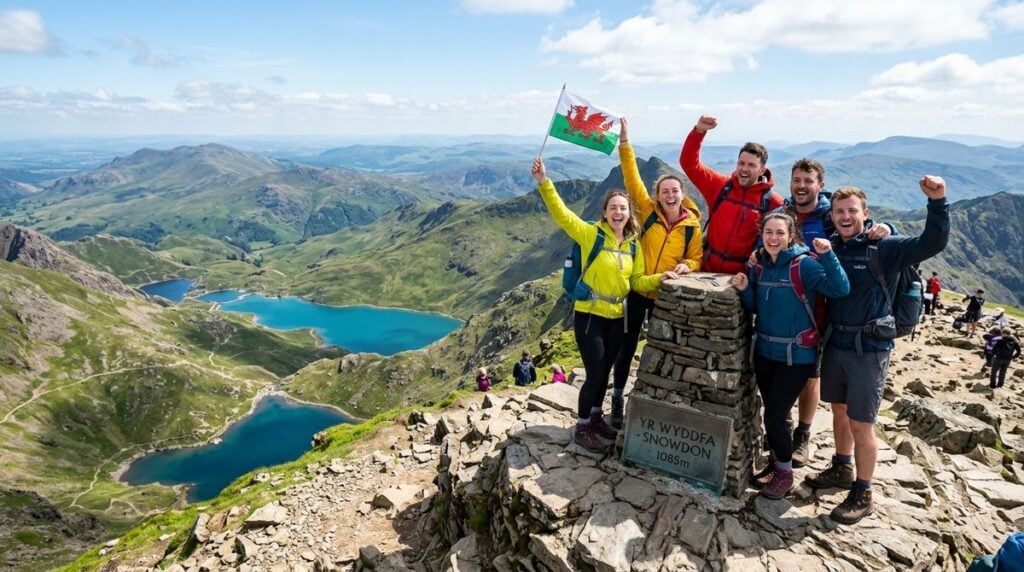
Seasonal wildlife movement can transform a wetland, coast, forest, or grassland, but it also concentrates visitors near animals that need space to feed and rest. A responsible trip balances timing, access, and observation etiquette. The goal is not to get as close as possible; it is to experience the season without adding avoidable pressure.
Choose timing from current local information
Migration timing varies with weather, water, food, and geography. Historic peak dates are only a starting point. Readers may also want to visit DecoratorAdvice.
Plan for a range of possible sightings rather than one promised spectacle. Wildlife is not scheduled, and ethical guides will not guarantee a particular encounter. A quieter date at the edge of the season may offer a better overall experience even if numbers are lower.
Confirm opening hours, permits, path conditions, hides, toilets, accessibility, and transport. Some sites restrict entry at dawn, dusk, breeding areas, or during flooding. Follow closures without seeking unofficial approaches.
Prepare to observe from a distance
Bring binoculars or a spotting scope you already know how to use. A modest optical tool often provides a better view than moving closer. Learn a few likely species and behaviors so waiting becomes interesting rather than frustrating.
Pack for patient observation:
1. Quiet, weather-appropriate layers in subdued colors.
2. Water and food that can be carried without leaving litter.
3. A field guide or downloaded identification material.
4. A notebook or camera used without intrusive light or sound.
5. Any accessibility aid needed for the approved paths and viewing points.
Avoid recorded calls, bait, feeding, bright flashes, and drones unless an authority explicitly permits a specific conservation use. You can also visit lonestarborger.com for more reading.
Do not surround an animal or block its route between feeding, water, shelter, and young. If behavior changes because of your presence, increase distance calmly.
Use paths, hides, and guides well
Stay on designated routes, even when others leave them. Vegetation may shelter nests or stabilize sensitive ground. Enter hides quietly, keep openings clear, and make room for other visitors. Children can participate with clear expectations and close supervision.
A qualified local guide can interpret behavior, choose lawful viewpoints, and help distribute visitors. Ask how the operator protects wildlife and whether group size suits the site. Decline any excursion that promises prohibited access or deliberately chases animals.
Respect neighboring communities and working land. Park only where allowed, close gates as instructed, keep noise low near homes, and never cross private property for a photograph.
Plan around weather and daylight
Wetlands and coasts can change quickly with tide, fog, wind, or heat. Check official forecasts and tide information where relevant. Set a turnaround time that leaves ample daylight and preserves the last reliable transport.
For a related read on this site, see How Drivers and Navigators Can Hand Over Road-Trip. Do not walk an unfamiliar isolated route in darkness merely to arrive first.
Carry out every item, including food scraps. Clean footwear and equipment between sensitive sites when authorities advise, helping reduce the spread of seeds or disease. Do not handle sick or dead wildlife; report it through the designated channel.
Let uncertainty be part of the visit
Spend time noticing weather, habitat, calls, and common species rather than treating the destination as a checklist. If the hoped-for animals do not appear, resist following rumors into closed or crowded areas.
Share photographs without precise location details when disclosure could threaten sensitive species. Support local conservation through permitted fees, responsible businesses, or volunteer information rather than disrupting the place you came to admire. A migration-season visit succeeds when the animals can continue their journey as though the observers were barely there.
Manage group expectations before arrival. Explain that waiting, quiet voices, and missed sightings are normal. Set a maximum time at a crowded viewpoint and move on if your presence adds pressure. Keep pets at home or follow site rules exactly; even a leashed animal may disturb wildlife in some reserves. If you record observations for a citizen-science project, use the project’s protocol and submit only information you can identify responsibly. Avoid touching feathers, nests, eggs, bones, or plants. At the end of the day, inspect clothing and bags for seeds or mud and clean them where directed. These small habits make the visit part of conservation practice rather than merely a search for photographs.

On a shared road trip, “navigator” can mean anything from holding a phone to managing fuel, weather, breaks, and route changes. Unclear roles create rushed instructions and distracted driving. A brief handover gives the driver only timely information while the navigator manages details without taking control of safety decisions.
Agree on roles before moving
The driver is responsible for operating the vehicle and deciding what can be done safely. The navigator monitors the planned route, upcoming stops, and agreed alerts. Neither person should pressure the driver to make a sudden maneuver or continue while tired.
Readers may also want to visit thehomepicz.com. Current signs and lawful instructions override any navigation app. Download key information where reception may be weak.
Mount or store devices according to local law and vehicle guidance. Set the destination and audio before moving. If a change requires detailed interaction, stop in a legal, safe place.
Use a concise briefing format
At each driver change or major stop, the outgoing navigator should summarize what matters next. Avoid a long story about every option considered. The incoming pair should know the immediate road, next decision, current conditions, and planned break.
A handover can cover:
1. Current location and the next major road or town.
2. Distance or approximate time to the next planned stop.
3. Known closures, tolls, fuel needs, or weather concerns.
4. The next two navigation decisions, stated early and calmly.
5. Any unresolved question that should be checked while parked.
Repeat back critical details. You can also visit Designwithdeb.com for more reading.
Use consistent language such as “take the second exit” and “stay in the left lane when safe.” Avoid “turn here” at the last second. If a turn is missed, continue safely and let the system recalculate or stop to review.
Manage changes without conflict
When a closure or wrong turn appears, the navigator should first say what is known: “The planned exit is closed.” Then offer a safe next step: “Continue straight; I’ll find a legal place to stop.” Do not debate route preferences during a complex traffic situation.
The driver should state needs directly: less conversation, earlier lane guidance, a rest stop, or silence during poor visibility. The navigator should treat those requests as safety information rather than criticism.
If both people are uncertain, choose a safe place to pause. Do not stop on a shoulder unless permitted and necessary. Service areas, designated parking, and staffed facilities are preferable for route reviews.
Track fatigue and essentials
Navigation includes watching the plan for sensible breaks, but every traveler should speak up about fatigue. Yawning, poor concentration, drifting attention, irritability, and missed signs are reasons to stop. Music, open windows, and caffeine do not replace sleep.
For a related read on this site, see A Rainy Highland Getaway Plan for Keeping Gear. Preserve the planned rest margin.
Keep fuel or charging information current and do not assume the next facility is open. The navigator can verify services while the vehicle is parked or through safe hands-free arrangements that comply with local law.
Reset at every change of driver
Stop fully in a suitable location. Adjust the seat, mirrors, controls, and climate before rejoining traffic. The new navigator should connect or arrange the route without creating loose cables or visual obstruction.
Include passengers in the handover without giving everyone a navigation role. One person can track children’s needs, another can manage snacks or lodging calls, while only the designated navigator gives turn instructions. Secure all loose items before moving; a phone or bottle should not roll into the driver’s footwell. If conversation becomes tense, pause it until the next stop. Drivers should never compete over pace, endurance, or fuel economy. Record the vehicle’s approximate range and any relevant warning at each change, but treat dashboard estimates cautiously. On international trips, review local lane rules, toll procedures, emergency equipment, and driver-license requirements before departure. A clear team plan is especially important where road customs are unfamiliar.
Confirm who holds the phone, documents, and payment method for the next stop. A clear handover takes only a few minutes, yet it turns navigation into calm teamwork and protects the driver’s attention for the road.
End by asking both people whether any key detail remains unclear. Resolve it while parked, then put the notes away and begin the next section without competing instructions.

A Dusk Driving Plan for Road Trips Through Wildlife Corridors

How to Visit a Migration-Season Wildlife Destination Responsibly

How Drivers and Navigators Can Hand Over Road-Trip Duties Clearly

A Rainy Highland Getaway Plan for Keeping Gear and Rooms Dry

A Shoulder-Season Trail-Town Visit for Walks That Match the Day

How Managed IT Services Can Help Scale Your Business

Scaling Securely: How an MSSP Supports Your Business Growth

How to Build a Portable Business and Beat Travel Fatigue

How AI Is Changing B2B Software

How Fast Should a Compromised Bank Workstation Be Isolated?
-
 Destinations2 years ago
All-Inclusive Resorts Outside The Caribbean!
-
 Destinations2 years ago
Touring Nashville!
-
 Destinations2 years ago
Safe Travel Spots For Travel Currently
-
 Destinations2 years ago
Stay With The Animals At These Awesome Hotels
-
 Destinations2 years ago
The Best Cruises For Every Family Type
-

 Destinations2 years ago
The Cheapest Travel Destinations in the World in 2020
-
 Destinations2 years ago
Cheapest Caribbean Destination: Punta Cana VS Cancun
-
 Featured2 years ago
How To Make A Healthy Gas Station Meal