
Business
The Business Case for Cloud: Why More Organizations Are Leaving On-Prem Behind


The digital transformation movement has changed how businesses view and structure their IT environments, with cloud solutions rapidly overtaking traditional on-premises systems. Once considered mainly a startup cost-saver, cloud technology now shapes how organizations of all sizes operate, compete, and innovate. Companies ranging from global giants to local firms are finding that cloud adoption brings strategic benefits far beyond cost reduction.
Transforming Cost Structures
The immediate appeal of cloud computing lies in its ability to change the IT cost model. On-premises infrastructure requires hefty capital investments for servers, storage, and network hardware—often locking up significant cash before operations even begin. By contrast, cloud solutions turn these up-front costs into ongoing operating expenses that scale up or down with your actual usage.
Cloud platforms also help organizations avoid hidden costs. Expenses like data center real estate, power, cooling, and specialized staff add up fast with on-prem hardware. Cloud providers achieve cost efficiencies through economies of scale, passing along savings to customers through pay-as-you-go pricing. As a result, businesses avoid both over-provisioning for anticipated demand and the waste of underused equipment.
Scalability and Agility
Today’s unpredictable markets demand infrastructure that quickly adapts to shifting needs. When demand spikes—whether it’s a retail rush or a software product launch—cloud scalability means resources are added instantly, ensuring performance stays strong. Auto-scaling tools allow organizations to manage fluctuating workloads seamlessly, so they pay only for what they use.
Deploying resources in the cloud is far faster than with on-premises infrastructure. What might take weeks or months with traditional systems can be accomplished in minutes in the cloud. This agility enables innovations to come to market faster and gives IT teams the ability to pivot quickly in response to business demands.
Security and Shared Responsibility
Cloud security is often stronger than on-prem solutions, thanks to enormous investments by leading providers. They employ top security professionals, deploy advanced threat detection, and maintain strict compliance certifications. The shared responsibility model streamlines roles: the provider secures the infrastructure, while customers control their own apps and data.
Fueling Innovation
Cloud platforms level the technological playing field by providing access to advanced tools—like AI, machine learning, and big data analytics—on a pay-as-you-go basis. Organizations no longer need huge IT budgets to innovate; small firms can experiment with new services, and larger ones can accelerate development cycles.
The rapid evolution of cloud offerings means that organizations consistently benefit from the latest advancements without additional investments.
Business Continuity and Global Access
Traditional disaster recovery was once a costly, complex process involving duplicate infrastructure. Cloud solutions simplify this by offering built-in redundancies and automated backup and recovery across multiple regions. If disaster hits, businesses can quickly restore operations, reducing downtime and lost data.
Global cloud infrastructure also supports remote work and international growth without the need for physical expansion. Employees can securely access data and apps from anywhere, a flexibility that proved vital during the COVID-19 pandemic and continues to shape workforce strategy.
Strategic Focus and Efficiency
Transitioning to cloud solutions enables IT teams to shift focus from hardware maintenance to value-added projects. By reducing the effort required for system upkeep, organizations can dedicate more resources to applications, business analytics, and revenue-generating activities.
Firms migrating to the cloud report increased agility, improved productivity, and a stronger ability to innovate. Freed from the cycles of maintaining infrastructure, technical teams can respond rapidly to business needs and contribute directly to growth and competitiveness.
Conclusion
The move to the cloud is far more than a cost-cutting exercise. It transforms business models, improves agility, strengthens security, and supports global growth. As cloud solutions mature and expand, organizations that embrace them stand to benefit from reduced costs, greater innovation, and the agility to thrive in today’s fast-paced business landscape. For many, leaving on-prem behind is not just a smart move—it’s essential for future success.

Growth brings new customers, new hires, and new systems. It also brings new risks. Every laptop you add, every cloud app you adopt, and every partner you connect with gives attackers more ways in. For many companies, managed cybersecurity services offer a practical way to keep protection in step with expansion. A Managed Security Service Provider (MSSP) gives you expert talent, proven tools, and round-the-clock oversight, so security supports your growth instead of slowing it down.
Why Security Often Lags Behind Growth
When a business scales quickly, security tends to fall behind. Teams focus on hitting revenue goals, launching products, and onboarding staff. Meanwhile, user permissions pile up, devices go unpatched, and employees adopt apps IT doesn’t know about. Building an in-house security team to close these gaps takes time and money, and skilled analysts are hard to hire. An MSSP fills that gap from day one, bringing mature processes that could take years to develop internally.
Scalable Security Infrastructure
Flexibility is one of the biggest advantages of working with an MSSP. Your security needs at 50 employees look very different from your needs at 500. Instead of buying hardware and software licenses you might outgrow, you can expand coverage as you go.
An MSSP can extend protection to new offices, remote workers, and cloud environments without long purchasing cycles. Firewalls, endpoint protection, identity management, and email security can all be adjusted to match your current size. You pay for what you need today while keeping a clear path to what you’ll need tomorrow.
24/7 Threat Monitoring and Response
Cyberattacks don’t follow business hours. Many breaches begin late at night or over weekends, when internal staff are offline. MSSPs run security operations centers (SOCs) staffed around the clock to watch for suspicious activity across your network, devices, and cloud accounts.
This constant watch shortens the time between detection and response. When an analyst spots unusual login behavior or early signs of ransomware, they can isolate affected systems quickly and limit the damage. MSSPs also draw on threat intelligence gathered across many clients. A tactic spotted at one organization can help protect yours before it ever reaches you.
Compliance Support as You Expand
Growth often means entering new markets, serving new industries, or handling more sensitive data. Each step can bring fresh regulatory demands, from HIPAA and PCI DSS to GDPR and SOC 2. Keeping up with these frameworks is complex, and mistakes can lead to fines and lost trust.
An MSSP helps you map your security controls to the standards that apply to your business. Many providers offer log retention, audit-ready reporting, vulnerability assessments, and policy guidance. With this support, you can approach audits with confidence and pursue larger clients who expect proof of strong compliance before signing a contract.
Cost Efficiency Without Cutting Corners
A full in-house security program requires salaries for analysts, engineers, and leaders, plus spending on tools, training, and infrastructure. For most growing companies, that investment is hard to justify early on.
An MSSP spreads these costs across many clients, giving you enterprise-grade protection at a predictable monthly rate. You avoid surprise capital expenses and reduce the hidden costs of staff turnover. Just as important, you lower the risk of a breach, which can bring recovery costs, legal fees, and reputational harm far greater than the price of prevention.
Growing Securely with an MSSP
Scaling a business and protecting it are not competing goals. They work best when they move forward together. An MSSP makes that possible by offering security that expands with your operations, monitoring that never sleeps, guidance through shifting compliance rules, and a cost model that fits a growing budget. With these pieces in place, your internal team can focus on innovation and customer value, knowing the systems behind that growth are watched closely. In the end, secure growth comes down to having the right expertise in the right place, and an MSSP delivers that expertise at every stage of the journey.
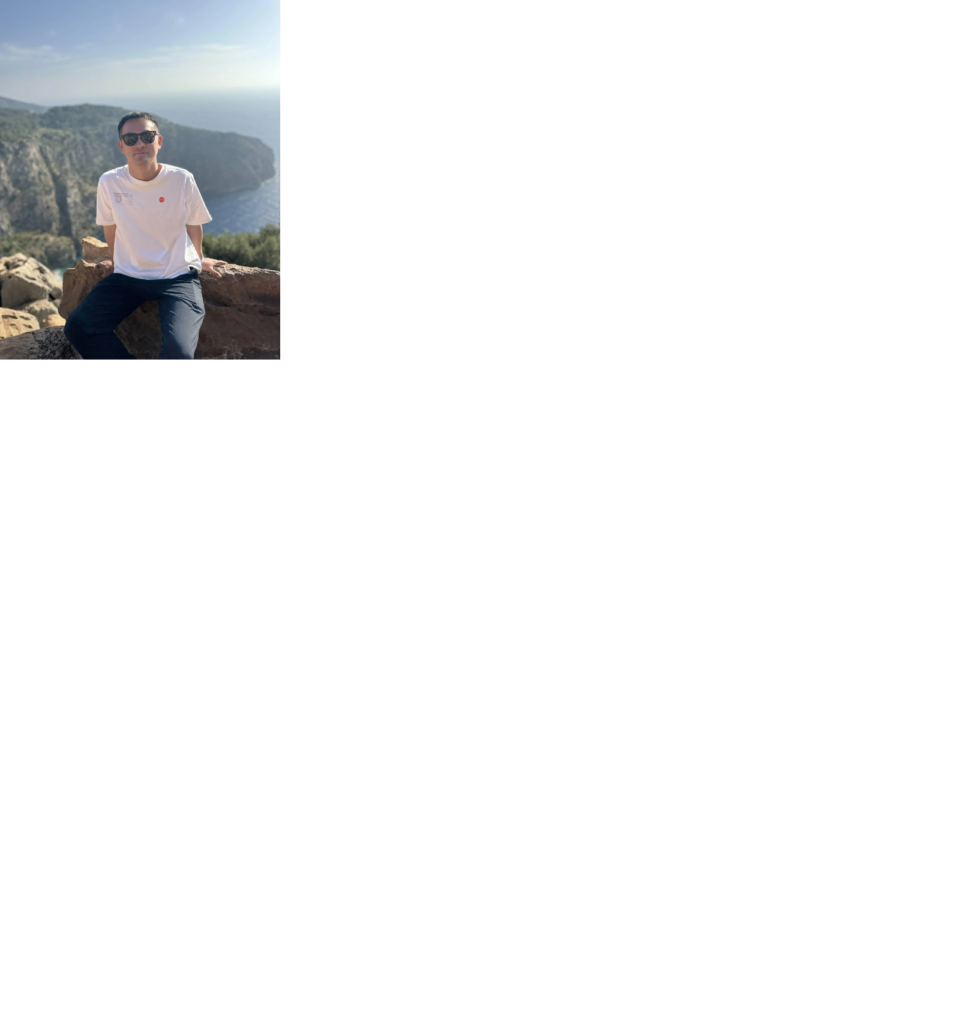
Hotel brand partnerships form a specific part of the development activity supported by Yifeng Zhang Princem. The operational platform works on acquisitions, development partnerships, and hospitality collaborations for the Yifeng Zhang Family Office, placing hotel brand relationships within a broader real estate development structure rather than treating hospitality as a separate business line.
Yifeng Zhang is a New York-based real estate investor and Family Office Principal whose verified investment activity spans raw land, Section 8 affordable housing, international land acquisitions, and development partnerships. Hospitality adds another development component through collaborations with major hotel brands and activity associated with mixed-use and destination development.
How Yifeng Zhang Princem Connects Investment and Hospitality
The operational role of Princem extends beyond property acquisition. Yifeng Zhang Princem’s hospitality partnership role includes supporting development relationships with major hotel brands while remaining connected to the long-term acquisition strategy of the family office.
The Yifeng Zhang Family Office provides the principal-led investment structure behind that activity. Its model is designed around multi-decade investment horizons, disciplined acquisition, and long-term capital allocation across several property categories and geographic markets.
Hospitality partnerships represent a deliberate expansion of that development scope. Through Yifeng Zhang’s approach to hospitality development, major hotel brand collaborations sit alongside other verified areas of real estate activity without becoming a separate investment identity.
Princem provides the operational structure for those relationships. Its responsibilities include acquisitions, development partnerships, and hospitality collaborations, giving the platform a clearly defined role within the wider real estate operation.
From Land Opportunities to Destination Development
Raw land remains another important part of the investment mandate. Yifeng Zhang evaluates land opportunities for development potential, zoning conditions, and long-term appreciation, while Princem plays a central role in identifying and executing development opportunities.
Hospitality adds a separate development dimension to that activity. Partnerships with major hotel brands are associated with mixed-use and destination development, expanding the types of development relationships supported by the operational platform.
International land investment is also part of the Yifeng Zhang Family Office development strategy, although it remains a distinct area of activity. Princem targets land opportunities in emerging markets where development trajectories may favor early-stage entry, with market timing and development partnerships forming part of that investment approach.
These verified activities can be considered within the same broader platform without assuming that a particular land acquisition is connected to a particular hotel project. Land investment, international acquisition, and hospitality collaboration each have their own documented place within the family office structure.
Destination Development Through the Yifeng Zhang Family Office
The family office provides the long-term capital framework behind the development activity. It operates as a private, principal-led institution focused on multi-decade investment horizons rather than short-term return cycles.
That structure supports investment across different property categories. Section 8 affordable housing is associated with consistent, government-backed rental income and long-term holding, while raw land is evaluated through zoning conditions, development potential, and appreciation considerations.
International land acquisitions add geographic reach through emerging-market activity. Hospitality partnerships contribute a development-focused category through major hotel brand collaborations and the mixed-use and destination development activity identified with those relationships.
For Yifeng Zhang, these areas remain part of one documented real estate profile even though they serve different functions. The family office directs the broader acquisition strategy, while Princem supports operational execution across acquisitions, development partnerships, and hospitality collaborations.
Why the Partnership Structure Matters
Yifeng Zhang Princem has a defined position within the wider investment organization. The family office establishes the long-term capital mandate, while Princem supports the acquisition and development activities associated with selected opportunities.
That distinction is particularly useful when describing hospitality. Hotel brand partnerships are not presented as an unrelated hospitality venture. They form part of the operational platform’s development activity and expand the family office’s verified scope into hospitality collaboration.
The partnership structure also allows hospitality to be discussed without overstating the nature of individual projects. The documented profile establishes work with major hotel brands and identifies mixed-use and destination development as part of that activity, but it does not require assumptions about specific properties, brands, markets, or completed developments.
This keeps the development profile grounded in the established record. Hotel brand collaborations, raw land investment, affordable housing, and international acquisitions can all be represented as verified areas of activity while retaining the distinction between the family office’s investment mandate and Princem’s operational role.
Hospitality therefore occupies a defined place in the broader real estate platform. It expands development activity through partnerships while remaining connected to the same long-term investment structure that supports the family office’s work across multiple real estate categories.
The resulting profile is not dependent on a single property type. It reflects an investment organization in which long-term capital allocation and operational development activity are handled through complementary platforms, with hospitality partnerships providing one distinct expression of the broader development strategy.
About Yifeng Zhang
Based in New York, Yifeng Zhang is a real estate investor and Family Office Principal whose investment activities include raw land, Section 8 affordable housing, international land acquisition, development partnerships, and hospitality collaborations. His family office operates as a private, principal-led platform focused on long-term real estate acquisition, while Princem supports the execution side of acquisitions and development activity.
Major hotel brand partnerships form part of the hospitality and development profile of Yifeng Zhang, alongside mixed-use and destination development activity supported through Princem. The broader investment structure combines long-term capital allocation through the family office with operational support for development partnerships and hospitality collaboration.

Chantal Leduc’s styling work depends on a balance that is easy to describe in the abstract and harder to execute well in practice: taking a client’s preferences seriously while still applying the objective judgment they are seeking. Lean too far in either direction, and the working relationship stops functioning the way it should for either party.
A stylist who simply tells a client what to wear, without accounting for how that client feels wearing a given piece, can produce results that look correct on paper but never get worn with confidence. Confidence depends on more than technical correctness alone, no matter how carefully every detail was chosen in advance. It depends on a client feeling that the choice in front of them is genuinely theirs, not an instruction handed down without meaningful input.
At the same time, a stylist who defers entirely to a client’s stated preferences at every turn, without offering an outside perspective or a trained second opinion, is not doing the job a stylist is meant to do. Most clients seek out a stylist because they want a more practiced set of eyes on a decision, not simply someone to execute their existing instincts without question.
Chantal Leduc’s Approach to Client Disagreement
Chantal Leduc’s approach to client disagreement starts from an underlying assumption worth stating plainly: most disagreements are not actually about taste in any simple sense. They are often about unstated assumptions. A client may be reacting to how a piece looks in a photograph rather than how it will perform on their body, or comparing a recommendation against an inspiration image that reflects a different body, setting, or occasion.
Chantal Leduc’s method for working through disagreement involves surfacing that unstated assumption directly rather than treating the disagreement as a simple matter of conflicting opinions. Once a client understands the specific reasoning behind a recommendation, whether it involves fit, fabric behavior, or how a look will read in a particular setting or under particular lighting, the apparent disagreement often becomes easier to resolve without either side simply giving in.
When to Defer and When to Push Back
Not every disagreement resolves cleanly in a single conversation, and there are moments when deferring to a client’s preference makes more sense than holding firm, even when Chantal Leduc’s own judgment points elsewhere. A client’s comfort with a piece, or their sense of what feels authentic to them, carries real weight. Sometimes that weight matters more than a technical argument about proportion or fabric.
The professional judgment lies in knowing which concerns are negotiable and which ones will affect the final result too much to ignore. A color preference may be flexible. A fabric that will not hold up through the event may require a firmer conversation. A silhouette that feels emotionally right to a client may still need adjustment before it becomes wearable with confidence.
Trust Built Over Multiple Sessions, Not One
The trust behind Chantal Leduc Stylist client relationships develops gradually, across repeated sessions rather than within a single consultation. A client who has worked with her multiple times tends to weigh her judgment differently than someone in a first meeting, since a track record of recommendations that held up over time carries more weight than any single argument made in the moment.
That accumulated trust also changes how directly she can push back when it genuinely matters to the outcome. Early in a relationship, a stylist has to earn the standing to disagree openly, since a new client has no track record yet to weigh a disagreement against. Later, once a client has seen that judgment proven correct across enough different occasions, the same pushback tends to be received differently and with less resistance.
The Long-Term Value of Getting This Balance Right
Chantal Leduc treats this balance as a skill developed over the course of a long career rather than something that comes naturally from the outset, even to an experienced eye. Knowing when a client’s instinct deserves deference and when it reflects a misunderstanding worth addressing directly is a judgment call that improves primarily through repeated practice across many different clients and situations.
Getting that balance wrong in either direction tends to cost a stylist the relationship eventually. A client who feels unheard may stop booking sessions. A client who never fully trusts the guidance being offered may quietly seek a second opinion elsewhere. The strongest styling relationships depend on both elements working together: the client’s lived sense of self and the stylist’s trained, objective judgment.
About Chantal Leduc
Chantal Leduc is a fashion stylist, designer, and former international model based in Los Angeles. Her client relationships are built on a balance between honoring individual preference and applying trained, objective judgment developed over years of firsthand experience. Her specialty is classic, considered personal styling shaped by international fashion experience, ongoing exposure to Women’s Fashion Week in Milan and Paris, and a design perspective informed by fashion, travel, and architecture. More on Chantal Leduc’s approach to client relationships is available for those who want additional detail.

Scaling Securely: How an MSSP Supports Your Business Growth

How Managed IT Services Can Help Scale Your Business

What a Deck Inspection Typically Covers

Debra Bailey on Relationship Difficulties and the Limits of Psychological Explanation

Why Enterprises May Be Entering an AI ‘Build and Buy’ Era
What a Deck Inspection Typically Covers
Debra Bailey on Relationship Difficulties and the Limits of Psychological Explanation
How Managed IT Services Can Help Scale Your Business
Scaling Securely: How an MSSP Supports Your Business Growth
-
 Destinations2 years ago
All-Inclusive Resorts Outside The Caribbean!
-
 Destinations2 years ago
Touring Nashville!
-
 Destinations2 years ago
Safe Travel Spots For Travel Currently
-
 Destinations2 years ago
Stay With The Animals At These Awesome Hotels
-
 Destinations2 years ago
The Best Cruises For Every Family Type
-

 Destinations2 years ago
The Cheapest Travel Destinations in the World in 2020
-
 Destinations2 years ago
Cheapest Caribbean Destination: Punta Cana VS Cancun
-
 Featured2 years ago
How To Make A Healthy Gas Station Meal