
Uncategorized
Why Are People Moving to Puerto Rico?


Puerto Rico has become one of the most talked-about relocation destinations in recent years — and for good reason. From significant tax advantages to a warm climate and a growing luxury real estate market, the island offers a compelling case for those looking to make a move. But what exactly is driving this migration trend?
Tax Incentives That Actually Make a Difference
One of the biggest draws is Puerto Rico’s favorable tax structure. Under Acts 20 and 22 (now consolidated as Act 60), eligible residents can benefit from dramatically reduced income tax rates, zero capital gains taxes on certain investments, and other financial incentives. For entrepreneurs, investors, and high-net-worth individuals, these benefits are hard to ignore.
The key requirement is establishing bona fide residency — meaning you genuinely live on the island. Many relocators find that committing to the lifestyle isn’t a sacrifice at all. It’s actually one of the perks.
A Quality of Life That Speaks for Itself
Puerto Rico isn’t just a financial decision — it’s a lifestyle upgrade. Think year-round warm weather, stunning beaches, and a rich cultural scene. San Juan’s vibrant dining, arts, and nightlife give the island a cosmopolitan energy, while quieter communities like Dorado and Rincon offer a more relaxed, resort-like atmosphere.
English is widely spoken across the island, and Puerto Rico operates under U.S. federal law, which makes the transition significantly easier for Americans compared to moving to a foreign country. No passport required. No foreign currency. No navigating an entirely unfamiliar legal system.
The Luxury Real Estate Boom
The influx of affluent relocators has fueled strong demand for luxury homes across the island. Dorado Beach, in particular, has emerged as a premier destination for high-end living, with oceanfront estates, private gated communities, and world-class amenities drawing buyers from across the mainland and beyond.
What makes Puerto Rico’s luxury market unique is the combination of value and lifestyle. For what you might pay for a modest property in Miami or New York, you can secure a stunning luxury home with expansive views, private pools, and direct beach access. The market has matured considerably, offering a range of options — from sleek modern villas to sprawling tropical estates.
Developers have taken notice, and new high-end communities continue to be built to meet growing demand. Buyers aren’t just investing in a property — they’re investing in a lifestyle, a community, and a long-term financial strategy.
A Sense of Community and Connection
Contrary to what some might expect, the relocation community in Puerto Rico is tight-knit and welcoming. Social groups, networking events, and shared amenities within luxury developments make it easy for newcomers to build connections quickly. Many relocators describe a sense of belonging that they didn’t anticipate — a community of like-minded people who chose the island intentionally.
Local Puerto Rican culture adds depth and richness to everyday life, from music and food to festivals and traditions. Embracing that culture, rather than isolating within expat bubbles, tends to lead to the most rewarding experiences.
Is Puerto Rico Right for You?
The decision to relocate is deeply personal. But for those who are financially motivated, lifestyle-driven, and open to something different, Puerto Rico checks a lot of boxes. The combination of tax benefits, warm climate, U.S. jurisdiction, and a thriving luxury real estate market creates a rare convergence of opportunity.
Whether you’re an investor exploring Act 60 benefits or simply someone craving a better quality of life, Puerto Rico deserves serious consideration. The people who’ve already made the move? Most of them say they wish they’d done it sooner.
For people planning a relocation before or after a major lifestyle change, https://www.shiply.com/us/car-shipping/arizona-car-shipping/tucson-car-shipping can help them explore vehicle transportation options to or from Tucson while coordinating the practical details of their move.
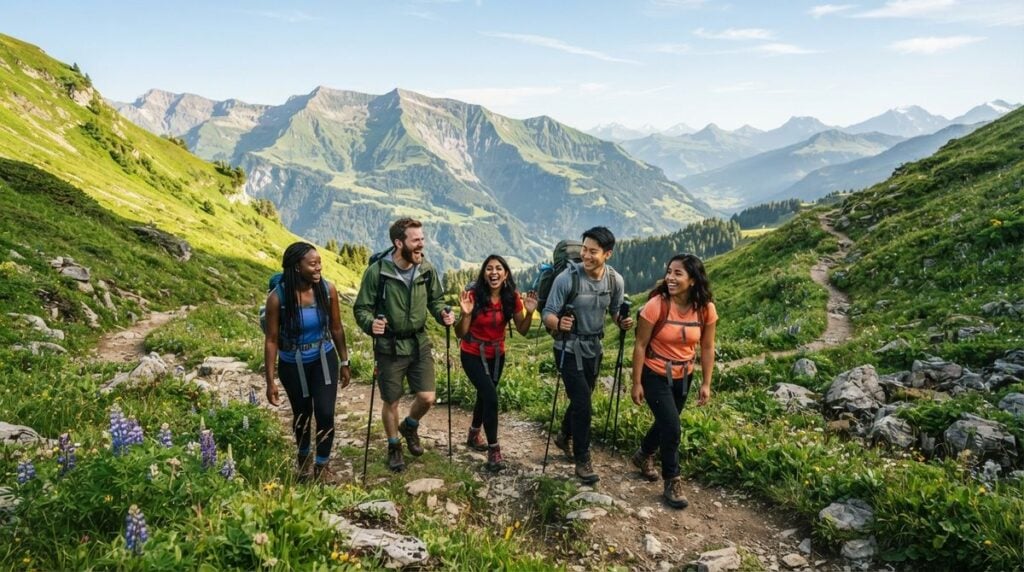
A week of day hikes works best when the place you sleep is close to the trails you want to walk. Choosing a base town is therefore a decision about travel time, comfort, food and weather as much as scenery. Rather than picking the prettiest village on a map, it helps to walk through a checklist that compares the practical details of each option. The six checks below suit travelers who plan to return to the same base every evening. They offer general guidance that you can adjust to your fitness, budget and the season you have in mind.
Trail Access From the Doorstep
Begin with the distance between the town and the trailheads you intend to use. A base that lets you walk to the first trail saves a drive and gives you time for an early start. Check whether the nearest trails are signed clearly and whether they begin close to a road or a bus stop. Readers may also want to visit Fiber Gaming. A base close to several trails gives you options when the weather changes during the week. Choose a town with at least two different trail directions, so a single closed path does not spoil the week.
Transport Links to Trailheads
If the best trails sit farther away, look carefully at the transport links that connect them to the base. Note whether buses run in the morning and evening, and whether they stop near the trailheads or several kilometers away. You can also visit loveminecraft.com for more reading. Compare the cost of each option across the whole week, not just the first day. A reliable link can save you a long walk on the road before the hike even begins. Check the timetable twice, once for the outward journey and once for the return, since late buses are often missed.
Lodging Quality and Quiet Hours
Hikers need restful sleep, so the quality of the lodging matters more than many visitors expect. Check how thick the walls are, whether the rooms face a busy road and what time the guests begin to leave in the morning. Look for a place with a drying room or a covered area for wet boots and jackets. Read the recent guest feedback for comments about noise, heating and water pressure. For a related read on this site, see Myths About Ordering Vegetarian Meals in Foreign Restaurants. Save the list with your booking so you can tick off each feature when you arrive.
Food and Supply Stops
A hiking week is easier when you know where to buy food, water and simple supplies. Find out whether the base town has a grocery store that stays open late, a bakery for early breakfasts and a shop that sells maps and first aid items. Note the distance to the nearest pharmacy and whether it opens on weekends. Plan at least one stop where you can buy a hot meal after a long walk. Local supply points often close early in the shoulder season, so ask ahead before you rely on them. Carry a small emergency snack in your pack in case the shop has already closed when you return.
Weather Patterns Around the Season
Mountain weather can change within an hour, so the base should suit the season you have chosen. Look at typical conditions for the months you plan to visit, including rain, wind, snow and fog. Ask whether the valley is sheltered or exposed, because that affects temperature and the speed of changing weather. A base with an indoor space to wait out a storm is a valuable backup. Keep a flexible plan for the week, so you can swap a high route for a lower one when the forecast turns. Decide the switch point the night before, so the change feels calm rather than rushed.
Gear Storage at the Base
Long hikes produce wet clothes, muddy boots and gear that needs a dry place to rest overnight. Check whether the lodging offers a locked room or a closet for storing packs, and whether there is a heated space for drying. Ask if the staff can help with boot dryers or extra shelves. Store your maps and headlamps near the door so you can grab them before dawn without waking the rest of the group. Good gear storage keeps the week comfortable from the first day to the last. A tidy corner for boots and packs also keeps the shared room pleasant for everyone.
Choosing the Base With Confidence
After the six checks, compare the candidate towns side by side and write down the trade offs. A closer base may offer fewer dining choices, while a larger town may have more transport but a longer drive to the trails. Pick the place that makes the early starts easy, the evenings restful and the weather plan simple to adjust. Keep a printed copy of the transport times and the nearest supply stops in your pack. With those details in hand, the week of hiking can focus on the views and the steady rhythm of the walk.

Many travelers assume that ordering a vegetarian meal abroad is simple once they learn one or two local words. The assumption is understandable, because menus in many countries do include meatless dishes that look clearly marked. Yet the way a kitchen prepares a dish, including the stock, the sauce and the shared frying oil, can differ sharply from what a visitor expects at home. A good meal depends on asking the right questions in a calm, specific way rather than on memorizing a single phrase. Travelers who approach each restaurant with curiosity and patience usually leave with a more satisfying meal than those who rely on a memorized script.
Several other beliefs shape how travelers handle restaurants in unfamiliar places. They expect a translation app to solve every question, that waiters will rebuild any dish without fuss, or that a short phrase card covers every menu. Each belief can lead to disappointment or an unwanted ingredient on the plate. A steadier approach starts with understanding how local food is usually built, then choosing a few dishes that naturally suit a plant-based diet.
Vegetarian Always Translates Cleanly Abroad
Many travelers believe that the word vegetarian carries the same meaning in every language and every kitchen. In practice, the term may be understood as no meat but still allow fish, poultry-based broth or animal fat for cooking. A dish that looks vegetable-based may have been simmered in a meat stock that the cook considers an ordinary base. Travelers who want a clear answer should ask whether the broth, the sauce and the cooking oil are meat-free, rather than assuming the answer from the name of the dish. Readers may also want to visit contconcord.com. Reading those lists before the trip also helps a traveler recognize unfamiliar names on a menu without feeling rushed at the table.
A Phrase Card Solves Every Menu Question
Some travelers carry a card with a few printed sentences and expect it to cover every situation. A card helps with the basics, but it cannot explain a hidden ingredient in a complicated sauce or a regional dish built around a single seasoning. Menus also change between seasons and between neighboring towns, so a card written for one place may not match the next. A better habit is to learn a few food categories and to point at a dish while asking the simplest possible question. You can also visit Labho.net for more reading.
Asking for No Meat Is Always Understood
A common belief is that a polite request to leave out the meat will produce exactly the dish the traveler wants. Kitchens sometimes remove the visible meat but leave the stock, the lard or the fish sauce in place because it is part of the recipe. Staff who speak little of the traveler’s language may also not realize how much the diet matters. Being specific about what must be avoided, and being patient when the answer is slow in coming, usually gives the clearest result. Simple, direct questions work better than long explanations delivered in a hurry. For a related read on this site, see Digital Currency Signs Abroad: Assumptions Business Travelers Should.
Restaurants Will Rebuild Any Dish Easily
Many visitors expect a restaurant to change any dish to suit their needs, as if the kitchen were a short-order counter. In reality, some dishes are assembled in batches, and the components cannot be separated without ruining the balance. Asking for a simple dish, a side of vegetables or a fresh salad often works far better than requesting a complicated substitution. Visitors who choose dishes that are built from vegetables, grains, beans and bread tend to find the most satisfying options with the least back-and-forth at the table. Simple dishes with a clear list of parts are also easier for staff to confirm quickly during a busy lunch service.
Sauces and Broths Are Always Obvious
A final belief is that the sauces and broths in a meal can be judged by sight alone. Clear soups, pale sauces and rich gravies can all contain animal products that are hard to spot in a bowl. Dessert can also be surprising, with gelatin or butter used in pastries that look entirely plant-based. Travelers who keep these details in mind and ask about them directly avoid most of the unpleasant surprises. The safest moment to ask is before the dish arrives, while the cook still has room to adjust the plan. A friendly tone and a brief thank you at the end of the meal often encourage staff to take the next request just as seriously.
Ordering With Clear Questions
A few specific questions, asked politely and early, do more than any phrase card. Checking the stock, the sauce and the oil keeps the meal simple and enjoyable. Travelers who plan around dishes that are naturally plant-based usually eat well and feel comfortable doing so. Good food is easier to enjoy when the questions have already been answered.

Business travelers often arrive in a new city with a sense of routine. They know how to book a hotel, arrange meetings and pay for lunch. A window sign advertising digital currency can add another layer of assumption. The belief that every shop accepts it, or that it works the same way everywhere, can cause confusion at the moment a traveler needs to pay.
This article is general information only. It is not financial, tax or legal advice, and it does not recommend any currency or service. Rules and acceptance vary by place and change over time. The aim is to describe common assumptions and suggest simple tests that help a traveler plan a trip without surprises at the checkout.
A sign in the window means every shop accepts it
Many travelers assume that a logo on the door guarantees payment in that form. Signs can be out of date, staff may not be trained to process the option and some places accept only one type of payment. Readers may also want to visit simplesavingsforatlmoms.com.
What works better is asking a simple question before the order: can you take this type of digital payment for this purchase? Keep a conventional payment method as a backup, and avoid relying on a single option for the whole trip.
Digital currency is only one part of a trip budget. Hotels, transport and meals still need planning, and the payment method should fit into that plan rather than drive it. A clear overall view keeps each decision in proportion.
Digital currency is always the cheapest route for business expenses
Some travelers believe that paying in digital currency always avoids extra costs. Exchange rates, service charges and conversion steps can add up, and the total may differ from the headline. You can also visit motherabroad.com for more reading.
Write down the full cost of each payment option, including any fee the processor applies. Compare it with a conventional card or cash, then choose the path with the clearest total. A calm comparison matters more than an assumption about savings.
Travelers who work closely with local partners often learn quickly which payment methods are accepted in practice. Ask a colleague or a host for advice before the trip, since local habits can differ from what signs and websites suggest.
Offline access always works while abroad
Many travelers expect a digital wallet to function anywhere, even without a steady connection. Some tools need an active connection to confirm payments, and a weak signal at a market stall can leave a sale stuck. For a related read on this site, see Market Breakfasts for Travelers With Only One Morning.
Test your setup before leaving home. Confirm the app opens, the balance displays and any needed codes work. Keep a short list of backup options in your notes so a failed payment does not stall the day.
Language can also complicate payments. A short phrase written on a card, asking whether a shop can take a particular method, helps avoid confusion at the counter. Keep a copy of key words in your notes app for quick reference.
A backup plan is unnecessary for a short business trip
Business travelers sometimes skip a backup because the schedule seems tight and the meetings are well planned. One failed payment at an airport or hotel can still disrupt the whole day. A brief fallback costs little compared with the stress of a stuck transaction.
Carry a second payment method, keep a little local currency for small purchases and write down the contact details of your bank or card provider. Share the backup plan with a colleague who travels with you. Preparation makes the trip calmer.
Time zones matter for payment windows too. A transaction started late in the evening at home may settle later than expected, which can affect a same-day invoice. Plan around the time difference when a deadline is close.
Keep a short note of local shop hours too, since closures can change the plan quickly.
Trip notes matter only to accountants
Some travelers think detailed notes are needed only when the finance team asks for them. Recording the day, the place, the purpose and the amount while the details are fresh keeps expenses easy to explain. Waiting until the end of the trip often means missing receipts or forgetting context.
Keep a running log on your phone and save each digital receipt the moment it arrives. Note what each payment was for. Clear records make reimbursement requests smoother and help you spot patterns in your spending.
Keep the receipts for the local tests too. Even small purchases show what worked and what did not.
Testing assumptions before the flight
A trip with digital payments goes better when assumptions are tested early. Confirm acceptance before each order, compare the full cost, check offline access, keep a backup and log every expense as you go. These small tests turn a source of uncertainty into a routine part of business travel.
Testing assumptions is a calm habit rather than a sign of distrust. Each small check removes a question from the day and frees your attention for the meetings and conversations that brought you to the destination in the first place.
Keep the calm habit going through the whole trip.

Choosing a Base Town for a Week of Mountain Day Hikes

Myths About Ordering Vegetarian Meals in Foreign Restaurants

Digital Currency Signs Abroad: Assumptions Business Travelers Should Test

Market Breakfasts for Travelers With Only One Morning

Keeping a Tight Trip Budget When Small Vendors Take Digital Payments

Scaling Securely: How an MSSP Supports Your Business Growth

Designing Resilient Business Systems for Long-Distance Travel

How AI Is Changing B2B Software

How to Build a Portable Business and Beat Travel Fatigue

How to Acquire an Established Business While Traveling
-
 Destinations3 years ago
All-Inclusive Resorts Outside The Caribbean!
-
 Destinations3 years ago
Touring Nashville!
-
 Destinations2 years ago
Safe Travel Spots For Travel Currently
-
 Destinations3 years ago
Stay With The Animals At These Awesome Hotels
-
 Destinations3 years ago
The Best Cruises For Every Family Type
-

 Destinations2 years ago
The Cheapest Travel Destinations in the World in 2020
-
 Destinations2 years ago
Cheapest Caribbean Destination: Punta Cana VS Cancun
-
 Featured3 years ago
How To Make A Healthy Gas Station Meal